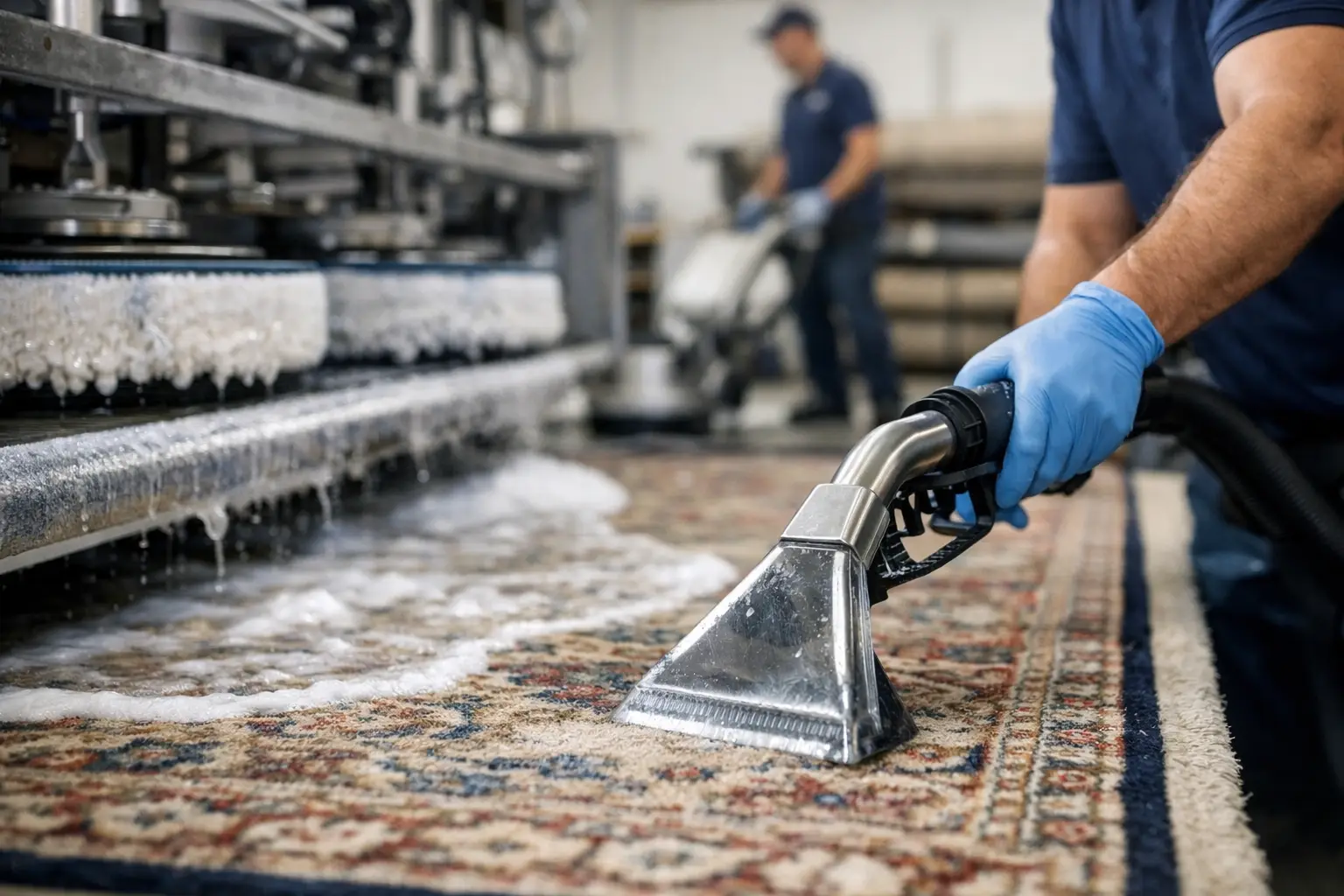
Inside the Professional Rug Cleaning Process
A rug can look only mildly dirty and still be holding pounds of dry soil, oils, pollen, and residue deep in the fibers. That is why the professional rug cleaning process is not just a quick shampoo and rinse. Done properly, it is a careful sequence designed to remove what you cannot see, protect the rug’s construction, and improve how it looks, feels, and wears over time.
For homeowners, property managers, and business owners, that difference matters. A decorative rug in a living room, an entry rug in a vacation rental, and an area rug in a busy office all collect dirt in different ways. Cleaning them the right way starts with understanding the rug itself, not forcing every piece through the same method.
What the professional rug cleaning process is really meant to do
Many people call for cleaning when a rug has a visible stain or starts looking dull. Those are valid reasons, but appearance is only part of the picture. Grit settles into the base of the pile and acts like sandpaper under foot traffic. Spills leave behind sugars, oils, or detergent residue that keep attracting more soil. Pet accidents can move below the surface into the backing or pad.
A proper cleaning process targets all of that. The goal is to remove dry particulate soil, treat spots appropriately, wash or flush away embedded contamination, and leave the rug as residue-free as possible. Good cleaning should also respect fiber type, dye stability, backing materials, and the rug’s age or condition.
That is where professional service earns its value. Two rugs may look similar from across the room and need completely different treatment once inspected up close.
Step 1: Inspection comes before cleaning
The first step in the professional rug cleaning process is a close inspection. This is where an experienced cleaner checks the rug’s fiber, weave, backing, fringe, colorfastness, wear patterns, odors, previous damage, and any stains that may need special attention.
This step helps answer important questions. Is the rug wool, synthetic, cotton, or a blend? Is it machine made or hand knotted? Are the dyes stable, or could they bleed if over-wet? Has someone already tried a store-bought spot remover that may have set the stain or altered the color?
Inspection also sets realistic expectations. Some stains can be fully removed. Others can be improved but not erased, especially if they have been sitting for a long time or have changed the fiber permanently. Honest service starts here, with clear communication before any work begins.
Step 2: Dry soil removal does more than most people expect
Before any washing or extraction begins, dry soil should be removed as thoroughly as possible. This part is easy to underestimate, but it is one of the most important stages.
Rugs trap sand, dust, hair, skin cells, and outdoor debris deep in the pile. If those particles are left in place and the rug is simply wetted, they can turn into mud, making cleaning less effective. Professional equipment is designed to pull out far more embedded soil than standard household vacuuming.
For rugs in West Hawaii, this step can be especially important. Fine volcanic dust, tracked-in sand, and everyday foot traffic can settle deep into fibers even when a rug still looks presentable on the surface.
Step 3: Spot and stain treatment is targeted, not guesswork
Once dry soil is removed, spots and stains are treated based on what caused them. This is where training matters. Coffee, wine, pet urine, grease, food spills, rust, and plant stains do not respond the same way.
A professional does not reach for one all-purpose cleaner and hope for the best. The chemistry has to match the stain, and the approach has to match the rug. Stronger is not always better. On delicate fibers, the wrong product can cause color loss, texture distortion, or residue that makes the area re-soil quickly.
Sometimes treatment also includes odor control, especially if accidents have worked into the foundation of the rug. In those cases, surface cleaning alone may improve the smell temporarily but not solve the problem for long.
Step 4: The cleaning method depends on the rug
Choosing the right professional rug cleaning process
This is where people often expect a single answer, but the truth is that it depends. Different rugs require different cleaning methods, and a trustworthy company should choose the one that fits the material and condition of the rug rather than forcing the rug into a preset system.
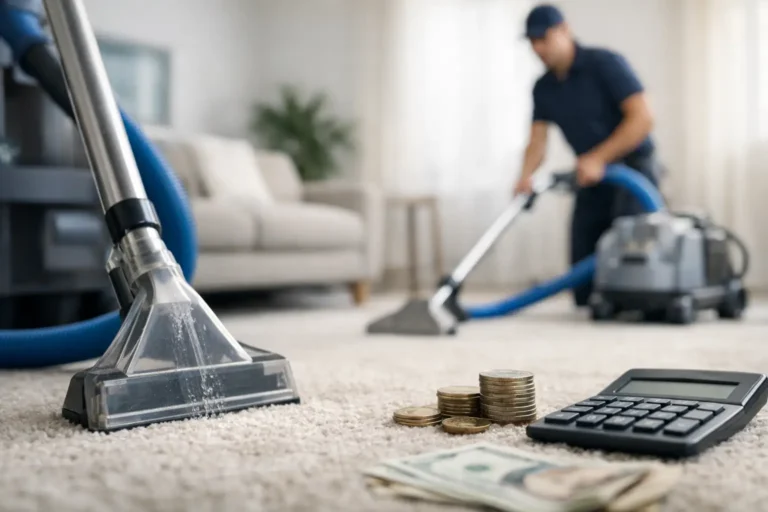
For many rugs, hot water extraction is an effective option. It helps flush out embedded soil, oils, and cleaning residue from the pile. When done with the right equipment and technique, it can produce a deep clean without leaving the rug overly wet.
Some rugs benefit from low-moisture methods, especially when moisture sensitivity, dye concerns, or backing construction make heavy flushing a risk. Others may need more specialized washing procedures if they are delicate, heavily soiled, or carrying significant odor contamination.
This is one of the biggest differences between do-it-yourself cleaning and professional work. The machine is only part of the equation. The judgment behind the method matters just as much.
Step 5: Controlled rinsing and extraction
A good cleaning solution can loosen soil, but it still needs to be removed. That is why rinsing and extraction are central to the process. The goal is not just to make the rug look cleaner. It is to carry away suspended dirt and leave as little residue behind as possible.
Powerful professional equipment makes a major difference here. Strong extraction helps remove moisture, soils, and cleaning agents more effectively than rental units or small home machines. That supports better results and faster drying.
At the same time, more power is not a license to be aggressive. Proper technique matters. Over-wetting a rug can create problems with browning, dye migration, backing damage, or extended dry times. The best results come from careful control, not brute force.
Step 6: Grooming, detail work, and drying
After cleaning, the rug is often groomed so the pile dries in a more even, natural position. Fringe or edges may need detail attention. Then drying becomes the priority.
Fast, thorough drying helps prevent musty odors, texture issues, and soil wick-back from the base of the rug. Air movement, humidity control, and proper placement all affect the outcome. This is another reason professional service matters. A rug is not truly clean if it stays damp too long and develops secondary problems.
For customers managing busy homes, rentals, or commercial spaces, dry time also affects how quickly the rug can return to use. That practical side matters as much as appearance.
Why some rugs need extra caution
Not every rug should be treated like a standard synthetic area rug. Wool rugs, older handmade rugs, cotton foundations, and rugs with unstable dyes need a more careful approach. Even certain modern rugs with glued backings or layered construction can react poorly to too much moisture or harsh chemistry.
This is where a restoration mindset makes a real difference. The job is not only to clean the rug today. It is to preserve the rug’s condition and useful life. In some cases, the safest plan is a gentler cleaning that improves the rug significantly without chasing an unrealistic result that could risk damage.
That trade-off is worth understanding. A responsible cleaner will sometimes choose the safer method over the most aggressive one.
How often should rugs be professionally cleaned?
There is no perfect schedule for every home or business. It depends on traffic, pets, children, indoor air quality concerns, shoes in the house, and whether the rug sits in a high-use area like an entry, hallway, or family room.
A lightly used rug may do well with professional cleaning every 12 to 24 months. A heavily used rug in a rental property, office, or active household may need attention much sooner. If the rug looks dull, feels sticky, smells off, or seems to get dirty again right after vacuuming, that is often a sign that embedded soil or residue is building up.
Regular professional care also tends to be easier on rugs than waiting until they are severely soiled. Heavy buildup usually requires more corrective work, and by then some wear may already be permanent.
What to expect from a reliable rug cleaning company
Customers should expect more than a quick quote and a rushed cleaning. Reliable service includes a clear inspection, honest pricing, explanation of likely results, and a cleaning method that matches the rug rather than the other way around.
It should also include professionalism at every step – showing up on time, handling the rug carefully, using appropriate equipment, and standing behind the work. That level of service matters whether you are caring for a valued rug in your home or maintaining clean, presentable spaces for guests, tenants, or customers.
Jensen’s Cleaning has built its reputation on that kind of follow-through, with certified service, fair and honest pricing, and a focus on deep cleaning that protects the surfaces people live and work on every day.
A well-cleaned rug does more than brighten a room. It feels fresher underfoot, holds less hidden soil, and has a better chance of aging the way it should – with care, not just with use.