What Causes Carpet Browning? Common Reasons
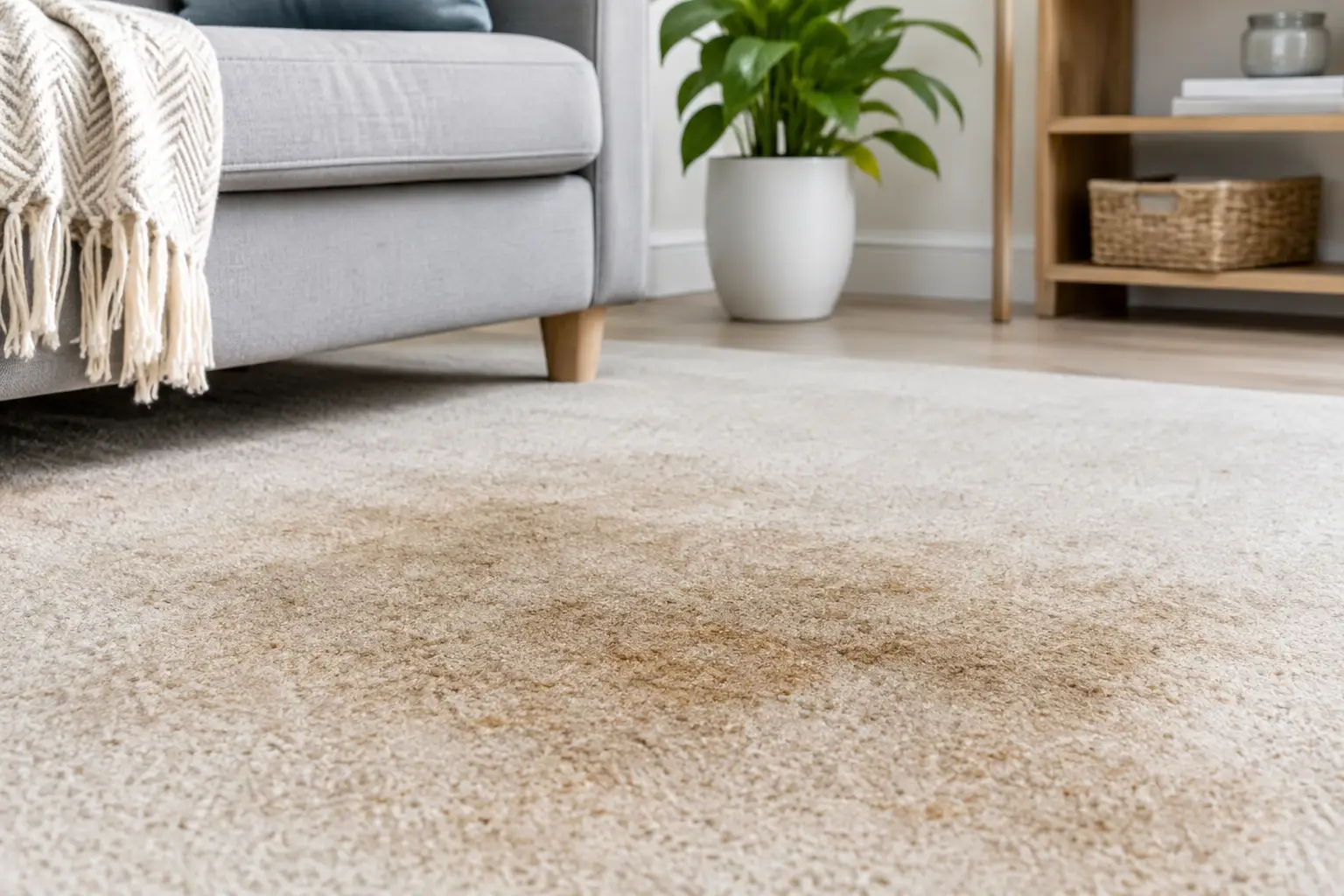
A carpet can look noticeably better right after cleaning, then develop tan, brown, or yellowish areas as it dries. That frustrating change is often called carpet browning. Understanding what causes carpet browning helps you avoid treatments that make the problem worse and know when a professional restoration approach is the better answer.
Browning is not always a new stain. In many cases, material already in the carpet fibers or backing moves to the surface during drying. In West Hawaii homes, vacation rentals, and businesses, humidity, open windows, sandy traffic, and delayed drying can all make that process more noticeable.
What causes carpet browning after cleaning?
The most common cause is wicking. Wicking occurs when moisture pulls dissolved soil, spills, or residues upward from deep in the carpet. The visible carpet fibers may be clean, but the backing and lower portion of the pile can still hold old contamination. As the carpet dries, that material travels toward the tips of the fibers, where it becomes visible as a brown spot or broad discolored area.
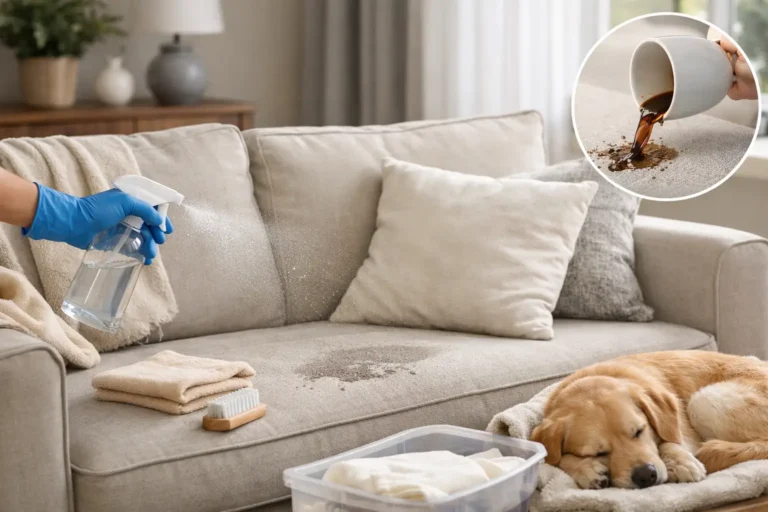
A spot that disappears during cleaning but returns the next day is a strong sign of wicking. Pet accidents, coffee, soft drinks, food spills, and tracked-in soil are frequent sources. The stain may return lighter than before, or it may spread beyond its original outline because the moisture carried it outward.
Overwetting increases the risk. Too much water, excessive cleaning solution, or slow extraction can soak the backing and padding rather than cleaning only the fibers. A heavily saturated carpet takes longer to dry, giving soils and residues more time to migrate upward. This does not mean cleaning should be avoided. It means the cleaning method, moisture level, extraction power, and drying conditions need to match the carpet’s condition.
Cellulosic browning in natural-fiber carpets
Another common reason is cellulosic browning. This occurs in carpets made with, or backed by, natural plant-based materials such as cotton, jute, or certain natural fiber rugs. When these materials get very wet, naturally occurring compounds can rise to the surface and create a tea-colored or brown discoloration.
Cellulosic browning is particularly likely when a carpet is cleaned with high-pH products, is left overly wet, or dries slowly. It can also happen after a water leak or a DIY cleaning attempt that uses too much shampoo. The discoloration often appears across a larger area rather than as one defined spot.
Not every brown mark is cellulosic browning, so treatment should not be guessed. The wrong chemical can set the discoloration, lighten dye unevenly, or leave a residue that attracts more soil. Delicate rugs and carpets with natural fibers deserve special care before any spotting product is applied.
Residue from cleaning products
Soap and detergent residue can make carpet look brown or dirty again, even when wicking is not the main issue. Some rental machines and consumer products leave more solution behind than they remove. That residue can feel slightly stiff or sticky underfoot, and it acts like a magnet for dust, sand, body oils, and traffic soil.
In a busy entryway, hallway, or vacation rental living area, residue-related resoiling can show up quickly. The carpet may look gray, brown, or dull in paths where people walk most often. It is easy to assume the carpet was never cleaned properly, when the real issue is that the fibers need a thorough rinse and extraction.
Soil that was never fully removed
Carpet fibers hold more than surface dirt. Fine sand, oils, cooking particles, pet dander, and old spills can settle below the pile, especially in high-traffic areas. If cleaning loosens that buildup without fully extracting it, some of it can rise as the carpet dries.
This is why vacuuming alone cannot solve every discoloration issue, and why a quick surface cleaning may not be enough for a heavily used carpet. Professional truck-mounted extraction is designed to remove loosened soil and moisture more thoroughly than many small portable machines. Results still depend on the fiber type, age of stains, previous treatments, and the condition of the backing.
Other reasons carpet turns brown
Browning can also come from sources unrelated to the cleaning process. Identifying the source matters because cleaning a spot without fixing the cause usually leads to a repeat problem.
Pet urine is one example. As urine dries or reacts with moisture, it can leave yellow-to-brown staining and persistent odor. Older pet spots may be deep in the backing or padding, so treating only the surface may improve the appearance without fully resolving the source.
Water damage is another concern. A leaking appliance, window, roof, or plumbing line can leave brown water marks as contaminants dry in the carpet. If the area stayed wet for an extended period, mold or mildew may also be a possibility. Visible browning alone does not confirm microbial growth, but a musty odor, damp backing, or recurring moisture should be addressed promptly.
Furniture stains can be misleading as well. Metal furniture legs may leave rust-colored marks, while dark wood finishes can bleed into damp carpet. In these cases, standard carpet cleaner may not work and can sometimes spread the discoloration. A targeted treatment is safer.
Why Hawaii humidity can make browning worse
Warm, humid conditions can slow carpet drying, especially in rooms with limited airflow. Carpet that stays damp longer has more opportunity for wicking, residue migration, and odor development. This is not a reason to avoid professional cleaning in Kailua-Kona or nearby communities. It is a reason to plan for proper drying.
After cleaning, use air conditioning, ceiling fans, portable fans, or open airflow when outside conditions allow. Avoid replacing furniture until the carpet is dry, particularly wood or metal legs that could transfer color or rust. Most professionally cleaned carpets should feel dry within several hours, though thick pile, heavy soil, high humidity, and heavily treated areas may take longer.
How to prevent carpet browning
Prevention starts with regular vacuuming. Removing dry soil before it is ground into the fibers reduces the amount that can wick back later. Entry mats, shoe removal in high-sand areas, and prompt attention to spills also protect the carpet’s appearance.
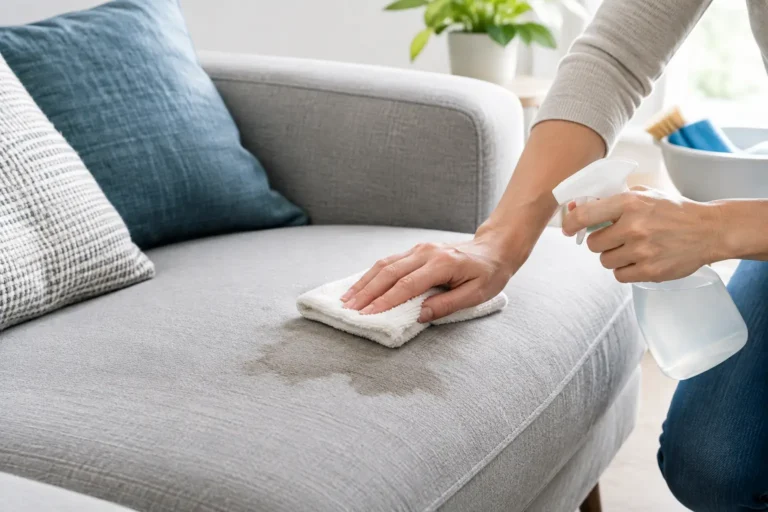
When a spill happens, blot it with a clean white towel rather than scrubbing. Scrubbing can distort fibers, push the spill deeper, and spread the affected area. Use only a small amount of appropriate cleaning solution, then blot again with water and dry towels. Avoid soaking the carpet or mixing household products, particularly bleach, peroxide, ammonia, or vinegar, unless you know they are safe for that specific fiber and stain.
For recurring spots, resist the temptation to keep adding more cleaner. Repeated product application can create a residue problem and make the spot larger. A professional can identify whether the issue is wicking, urine contamination, dye loss, rust, water damage, or another condition that requires a different method.
When professional cleaning is the right next step
Call for help when brown spots return after drying, the carpet has a musty or urine odor, discoloration covers a large area, or the carpet was exposed to a significant amount of water. These situations often require more than a surface treatment. They may need controlled rinsing, advanced spot removal, deodorizing, moisture assessment, or a recommendation for repair or replacement if the backing has been compromised.
Jensen’s Cleaning approaches carpet concerns with restoration in mind: use the right process for the fiber, remove as much soil and residue as possible, and avoid unnecessary replacement when the carpet can be improved safely. Fair expectations matter too. Permanent dye damage, old water stains, and long-set contamination may improve substantially without disappearing completely.
If a brown area appears after cleaning, take a photo while it is dry and avoid adding more product until the cause is identified. The right diagnosis can often turn a disappointing-looking spot into a manageable cleaning and restoration issue.