Waimea Tile Grout Cleaning That Restores Floors
A tile floor can look clean at first glance while the grout tells a different story. In Waimea, tile grout cleaning often becomes necessary long before the tile itself wears out. Fine red dirt, tracked-in moisture, kitchen residue, pet traffic, and everyday foot traffic settle into porous grout lines, leaving the whole floor looking duller than it should.
Grout is designed to fill the space between tiles, not to stay perfectly smooth and stain-proof. Its texture holds soil more readily than glazed ceramic or porcelain tile. Regular mopping helps with surface debris, but it can also leave behind residue or push dirty water toward the grout lines. When floors no longer brighten up after cleaning, a deeper approach is usually the answer.
Why Grout Gets So Dirty in Waimea Homes and Businesses
Grout discoloration is not always a sign of neglect. It is often a normal result of how a space is used. Entryways, kitchens, bathrooms, lanais, hallways, and commercial walkways take the most abuse. A vacation rental may see frequent luggage traffic, sunscreen, spills, and quick turnover cleaning. A family home may have pets, children, cooking oils, and wet shoes. Each source leaves a little more behind.
Humidity can add another concern, especially in bathrooms, shower areas, and rooms with limited airflow. Damp grout can support mildew growth or develop dark spotting that ordinary floor cleaners do not fully remove. The right cleaning method depends on whether the issue is embedded soil, soap residue, hard-water minerals, mildew, or a combination of these problems.
That is why aggressive scrubbing with a harsh cleaner is not always the best solution. Some cleaners can leave residue, weaken certain grout, affect nearby natural stone, or create a strong odor indoors. A professional assessment helps identify what is actually on the floor before treatment begins.
What Professional Waimea Tile Grout Cleaning Does Differently
Professional cleaning is designed to remove soil from the grout rather than just making the surface look temporarily brighter. The process begins with identifying the tile and grout type, the level of buildup, and any areas that need special care. Natural stone, textured tile, older grout, and cracked grout may require a different approach than newer porcelain tile in good condition.
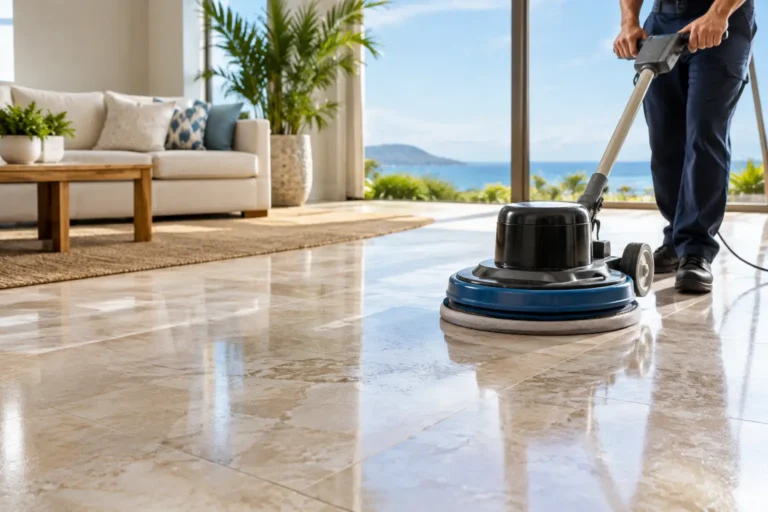
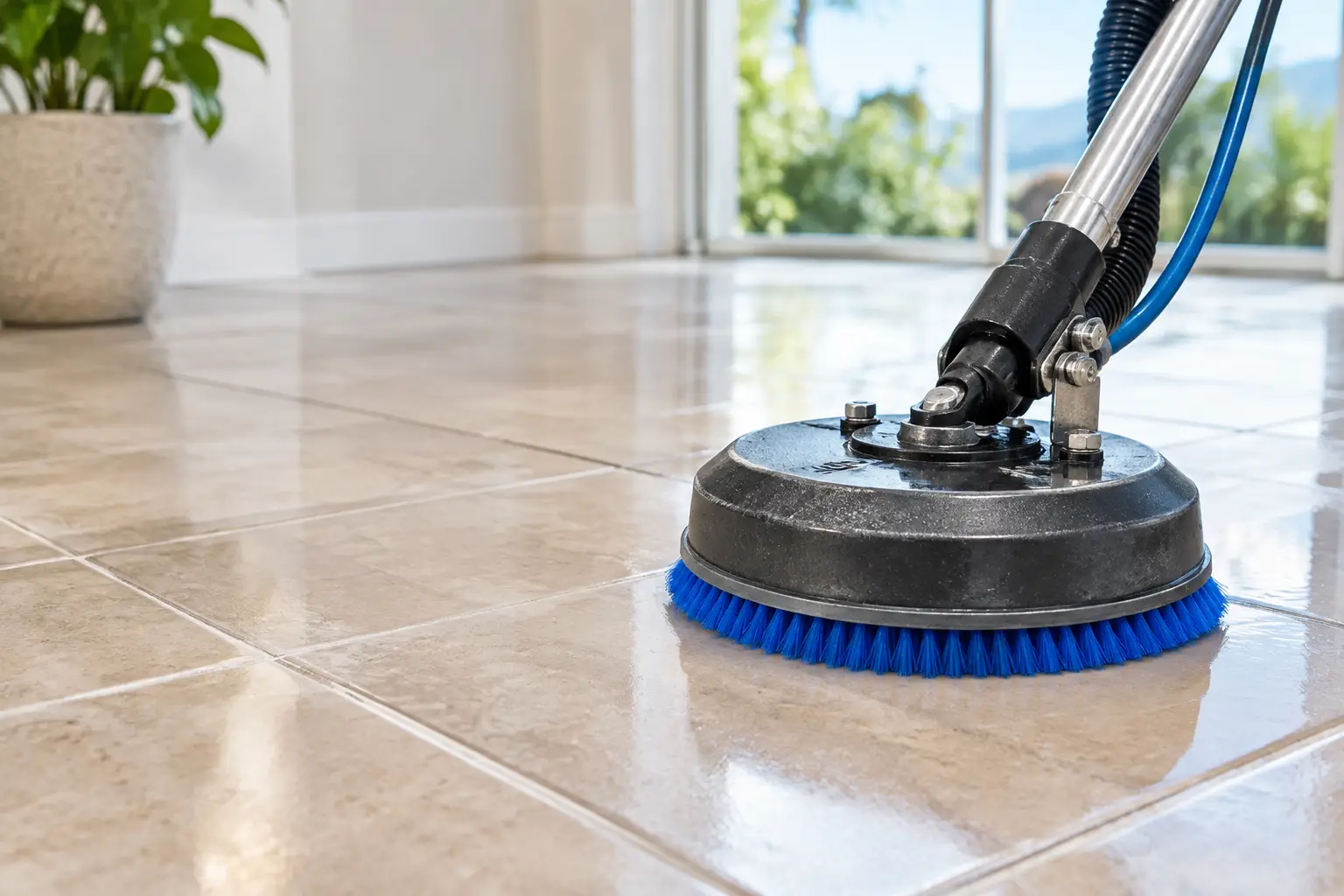
A trained technician applies appropriate cleaning solutions to break down oily soil, residues, and tracked-in grime. Specialized agitation helps work the solution into grout lines without relying on unnecessary abrasion. Then, powerful extraction removes loosened soil and moisture from the floor.
This matters because dirty water left behind can settle back into porous grout as it dries. Deep extraction helps leave the floor cleaner, fresher, and ready to dry more evenly. Truck-mounted equipment can provide the heat and recovery power needed for heavily used residential and commercial floors.
The result is usually more than a color improvement. Clean grout makes individual tiles look sharper, restores contrast in the pattern, and gives the entire room a more cared-for appearance. In a rental, hospitality setting, or business, that visual difference can shape a guest’s or customer’s first impression.
Cleaning Can Improve Grout, but It Cannot Fix Every Problem
Honest floor care includes setting realistic expectations. Cleaning can remove a great deal of embedded grime, but it cannot repair missing grout, erase permanent dye stains, or reverse all damage from years of improper products. If grout is cracked, crumbling, deeply etched, or unevenly repaired, it may need repair or replacement before or after cleaning.
Likewise, some older grout has naturally changed color over time. A deep cleaning may still make it look substantially better, but it may not return to its original installation-day shade. A reputable cleaning professional should explain these trade-offs before work begins, not after.
Areas That Benefit Most From Deep Grout Cleaning
Kitchens are common candidates because grease particles, food splatters, and cleaner residue build up gradually. The floor may feel clean underfoot but still look gray or yellowed around the grout lines. Bathrooms need attention for a different reason: soap, body oils, moisture, and mineral deposits can leave grout looking dark or blotchy.
Entryways and main traffic paths often show the most visible contrast after service. Dirt collects in a narrow track that follows daily movement through the home or building. Tile in mudrooms, covered lanais, pool-adjacent areas, and commercial entrances can also benefit from periodic deep cleaning, particularly where people transition from outdoors to indoors.
For property managers, professional cleaning can be a practical part of turnover preparation. Clean tile and grout support a well-maintained presentation without replacing flooring that still has years of useful life. For local businesses, regularly maintained floors help protect a polished appearance in customer-facing spaces.
How to Keep Grout Cleaner Between Appointments
The best maintenance routine is simple enough to repeat. Sweep or vacuum often enough to remove grit before it gets ground across the floor. Use a neutral cleaner recommended for the tile and grout rather than a product that leaves a sticky film. Change mop water when it turns cloudy instead of spreading that water across the remaining floor.
Address spills promptly, especially cooking oils, colored drinks, pet accidents, and bathroom products. In wet areas, improving ventilation and wiping up standing water can reduce the conditions that encourage mildew. A doormat at exterior doors also helps capture dirt before it reaches the tile.
Avoid using bleach, acids, or abrasive powders as a routine answer to dirty grout. These products may seem effective in the moment, but repeated use can create other problems depending on the surface. They can also be risky around natural stone or when mixed with other cleaning products. If a stain persists, it is safer to have the material evaluated than to keep escalating the strength of the cleaner.
Is Grout Sealing Worth Considering?
After deep cleaning, sealing may be worthwhile for some grout, especially in kitchens, bathrooms, high-traffic areas, and rental properties. A penetrating grout sealer can help slow the absorption of spills and soil. It does not make grout maintenance-free, and it will not prevent every stain, but it can give homeowners and managers more time to clean up a spill before it settles in.
Whether sealing is appropriate depends on the grout, its current condition, and the surrounding tile. Some grout may already be sealed, while damaged grout may need repair first. The most useful recommendation comes after seeing the floor rather than applying the same answer to every room.
Choosing a Tile and Grout Cleaner You Can Trust
Tile cleaning should not be treated as a one-size-fits-all service. Ask whether the company has experience with your type of tile, how it handles natural stone or delicate surfaces, and whether it uses extraction rather than simply scrubbing and mopping. Clear pricing and a straightforward explanation of expected results matter just as much as the equipment.
Jensen’s Cleaning brings a restoration-focused approach to tile and grout care throughout West Hawaii. That means looking for the most effective way to renew a floor before recommending costly replacement. Certified, insured service, fair and honest pricing, and satisfaction-focused follow-through give homeowners, property managers, and businesses confidence in the work being done.
A floor does not need to look permanently worn just because the grout has darkened. When tile still has good life left, professional Waimea tile grout cleaning can be a sensible way to restore the clean, welcoming appearance the space deserves. If your grout lines are making an otherwise well-kept room look tired, a professional evaluation can help you decide whether deep cleaning, sealing, or repair is the right next step.