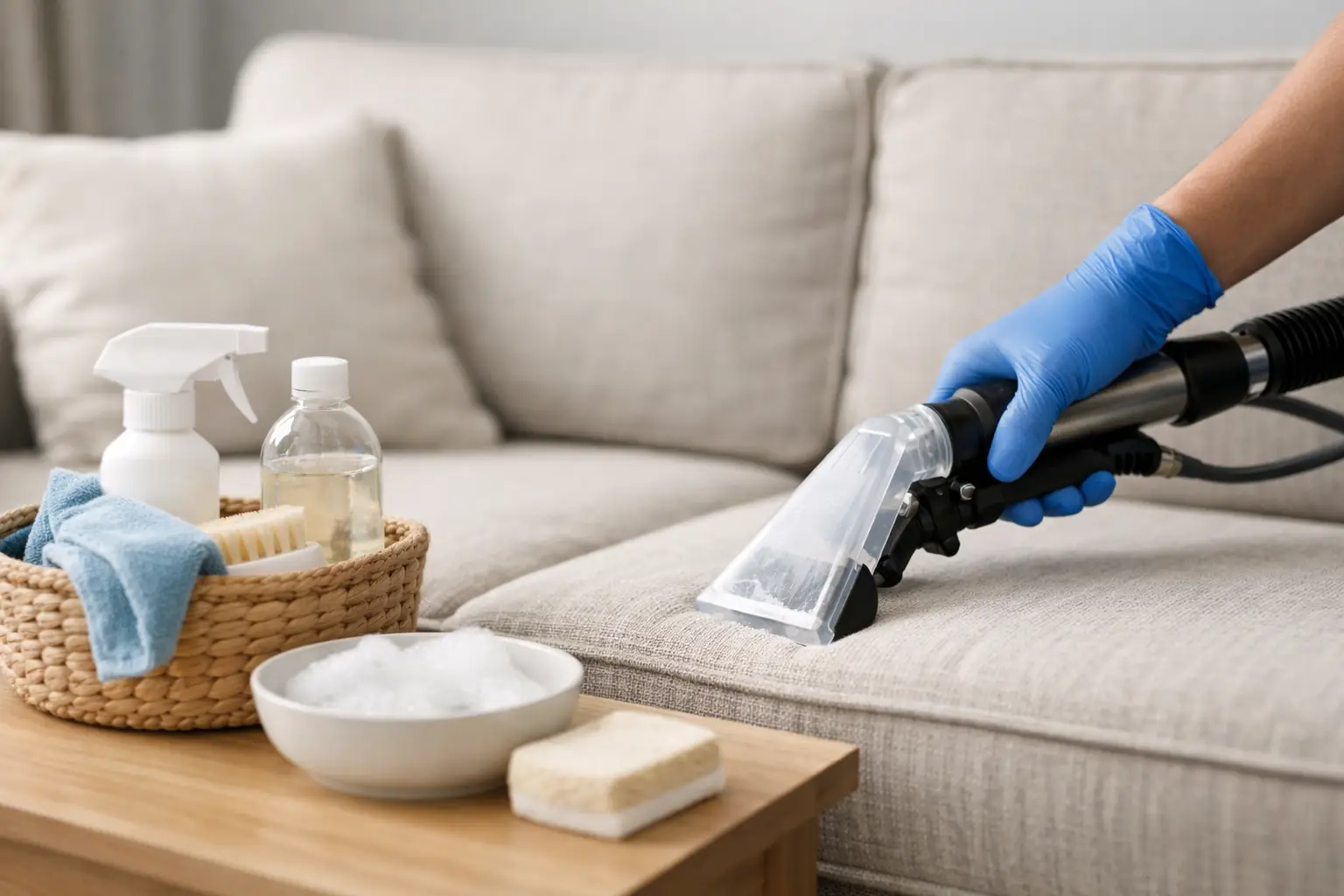
Upholstery Fabric Cleaning Guide for Safer Care
That mystery spot on the sofa usually shows up right before guests do. Or after a movie night, a pet accident, or a busy week when nobody had time to deal with it. A good upholstery fabric cleaning guide helps you respond quickly, clean the right way, and avoid turning a small mess into permanent damage.
Upholstered furniture takes more abuse than most people realize. It collects body oils, dust, food residue, pet dander, sunscreen, and fine grit that settles deep into the fabric. In West Hawaii, that buildup can happen even faster because open windows, humidity, and daily indoor-outdoor traffic bring in more particles than people expect. The result is furniture that may not look filthy at first glance, but starts to feel dull, smell stale, or show wear long before it should.
Why upholstery cleaning is not one-size-fits-all
The biggest mistake people make is assuming all fabric can be cleaned the same way. It cannot. Cotton, linen, polyester, microfiber, rayon blends, and delicate woven fabrics all react differently to moisture, agitation, and cleaning products. What works on one sectional cushion can shrink, fade, or leave rings on another.
That is why the tag matters. Many upholstered pieces include a cleaning code, usually W, S, WS, or X. W generally means water-based cleaners are acceptable. S means use a solvent-based cleaner only. WS means either water-based or solvent-based methods may be used. X means vacuum only and no liquid cleaning. These codes are helpful, but they are not a guarantee that every stain will come out safely with a store-bought product. Age, wear, previous cleaning attempts, and fiber blends all affect the outcome.
Colorfastness is another factor. A fabric may look sturdy but still bleed when moisture hits it. Textured weaves can also trap residue, making over-the-counter spot removers more likely to leave crunchy patches or dark edges. If a piece is high-value, lightly colored, vintage, or labeled with a more restrictive code, extra caution is the smarter move.
Upholstery fabric cleaning guide for everyday maintenance
Routine care does more for upholstery than aggressive stain treatment after the fact. Dirt acts like sandpaper inside fabric. Every time someone sits down, those particles rub against the fibers and contribute to wear.
Vacuuming upholstery weekly or every other week makes a real difference. Use a soft brush attachment and go beyond the seat cushions. Clean the arms, back, seams, under the cushions, and the narrow creases where crumbs and dust collect. If you have pets or manage a vacation property, more frequent vacuuming is usually worth it.
Rotating cushions also helps distribute wear. If the cushions are reversible, flip them regularly. This will not clean the fabric, but it does slow down the uneven fading and compression that can make furniture look older than it is.
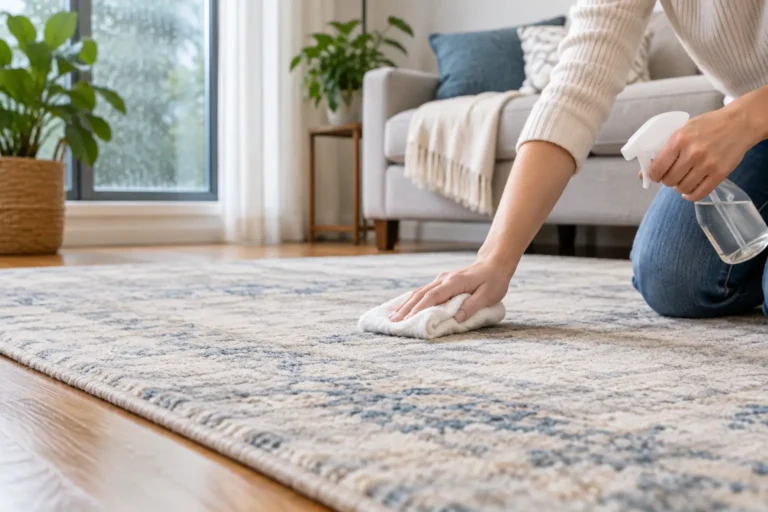
If spills are common in your home or business, keeping clean white towels on hand is a simple habit that pays off. The first response should almost always be blotting, not scrubbing. Press gently to absorb as much liquid as possible. Scrubbing pushes the spill deeper and can rough up the fibers, which changes the texture even after the stain is gone.
How to handle fresh spills without making them worse
Speed matters, but so does restraint. A lot of upholstery damage happens during rushed cleanup.
Start by blotting with a dry white cloth. If the fabric code allows water-based cleaning, use a small amount of plain water on a fresh cloth and continue blotting from the outside of the spill toward the center. This helps keep the stain from spreading. Use as little moisture as possible. Soaking the fabric can lead to water rings, slow drying, and odors trapped in the cushion.
For oily or greasy spots, plain water often will not do much. This is where homeowners get tempted to try dish soap, vinegar, laundry detergent, or multi-purpose cleaners. Sometimes they appear to work at first, but many leave residue behind. That residue attracts new soil, and the area gets dirty again faster than the rest of the furniture.
If you do use a fabric-safe upholstery cleaner, test it in an inconspicuous area first. Let it dry fully before judging the result. A cleaner can look fine while wet and still leave discoloration once dry.
Heat is another risk. Hair dryers and steam devices are commonly used in panic mode, but they can set stains, shrink certain fibers, or distort backing materials. Air drying with good ventilation is the safer option.
Stains that need a more careful approach
Some spots are simple. Others are not. Coffee, wine, pet urine, ink, body oils, sunscreen, and food grease each behave differently in fabric. Protein-based stains, dye stains, and odor issues often need targeted chemistry and proper extraction rather than surface cleaning.
Pet accidents are a good example. A cushion may look better after blotting, but urine can travel beyond the visible spot into the pad or underlying material. If that moisture is not fully removed and neutralized, the odor tends to return, especially in humid conditions.
Body oil buildup on headrests and armrests is another stubborn issue. It darkens fabric gradually and is easy to underestimate. By the time it becomes visible, it usually requires more than spot treatment. The same goes for furniture in short-term rentals, offices, waiting rooms, and high-use family spaces where repeated contact creates an overall gray or dingy appearance.
When professional upholstery cleaning is the better call
There is a point where home care stops being practical. If the furniture has multiple stains, widespread dullness, odor, delicate fabric, or previous DIY treatment that left residue, professional cleaning is often the safer and more cost-effective choice.
A trained technician can identify the fabric, choose the right method, and clean with controlled moisture and proper extraction. That last part matters. Removing suspended soil and cleaning residue is what separates a deeper clean from a temporary cosmetic fix.
Professional service also makes sense when you are trying to protect an investment. Sofas, sectionals, dining chairs, office seating, and upholstered headboards are not cheap to replace. Cleaning them correctly can extend their usable life and improve how the entire room feels.
For property managers and local businesses, the benefit is not just appearance. Clean upholstery supports a better guest and customer experience. Furniture that smells fresh and looks maintained says something about how the entire space is cared for.
What a good professional upholstery fabric cleaning guide should tell you
A trustworthy upholstery fabric cleaning guide should not promise that every stain comes out completely. Honest cleaning advice includes trade-offs. Some stains cause permanent dye damage. Some fabrics can be improved dramatically but not restored to like-new condition. Some pieces need a lower-moisture method because overwetting would create more problems than the stain itself.
That is also why inspection matters before cleaning begins. A careful cleaner looks for worn areas, loose fibers, sun fading, prior repairs, and fabric instability. That level of attention protects the furniture and sets realistic expectations.
Professional-grade equipment makes a difference too, especially when it is paired with experience. Strong extraction, fabric-appropriate products, and restoration-minded methods help clean deeper while reducing residue and drying issues. For many homeowners and businesses, that means better results and less guesswork.
How often should upholstery be cleaned?
It depends on how the furniture is used. In a low-traffic home with no pets or children, professional upholstery cleaning every 12 to 24 months is often enough. In homes with pets, kids, allergies, or frequent entertaining, every 6 to 12 months may be more appropriate.
Commercial seating, vacation rentals, and waiting areas usually need a tighter schedule because soil loads build faster and appearance standards are higher. If the furniture looks darker in high-contact areas, has a lingering odor, or feels sticky or rough, it is probably overdue.
Between cleanings, the goal is simple. Remove dry soil regularly, address spills carefully, and avoid using random cleaners that create bigger problems. That approach protects both the fabric and the comfort of the furniture.
Jensen’s Cleaning sees this often with upholstered pieces that still have plenty of life left but need the right process to look and feel clean again. Restoration is usually the better path than premature replacement.
Furniture cleaning is not about chasing perfection. It is about making smart choices that protect what you own, keep your space healthier, and prevent minor issues from becoming expensive ones. When you treat upholstery with the same care you give your floors, it tends to last longer and look better every day.