Best Way to Clean LVP Flooring at Home
If your luxury vinyl plank floors looked great on installation day but now show footprints, haze, or sticky spots that never seem to fully go away, the issue usually is not the floor. It is the cleaning method. The best way to clean LVP flooring is gentle, low-moisture, and consistent. When the wrong soap, too much water, or an abrasive tool gets involved, even a durable floor can start looking tired faster than it should.
LVP is built to handle real life. That is one reason homeowners, vacation rental managers, and commercial property owners choose it so often. But durable does not mean indestructible. The top wear layer can still be dulled by gritty debris, residue-heavy cleaners, and repeated over-wetting. If you want your floors to keep their color, texture, and finish, good maintenance matters.
The best way to clean LVP flooring starts with dry soil removal
Most of the damage people see on LVP does not come from dramatic spills. It comes from everyday grit. Sand, dust, and fine debris act like sandpaper under shoes and furniture. In places with indoor-outdoor traffic, that buildup can happen quickly.
Start with a microfiber dust mop, a soft broom, or a vacuum made for hard floors. The goal is to remove loose debris before it gets pushed around with moisture. If you use a vacuum, make sure the beater bar is off. A rotating brush can be too aggressive for some vinyl surfaces and may leave fine scratches over time.
This step sounds simple, but it makes the rest of the process work better. If you skip it and go straight to mopping, you can end up grinding dirt into the surface or leaving muddy streaks behind.
Use as little moisture as possible
One of the biggest mistakes with LVP is treating it like tile. Vinyl plank flooring is water resistant, and many products are marketed as waterproof, but that does not mean standing water is a good idea. Moisture that sits too long can work its way into seams, edges, and transitions. Over time, that can contribute to lifting, curling, or subfloor issues.
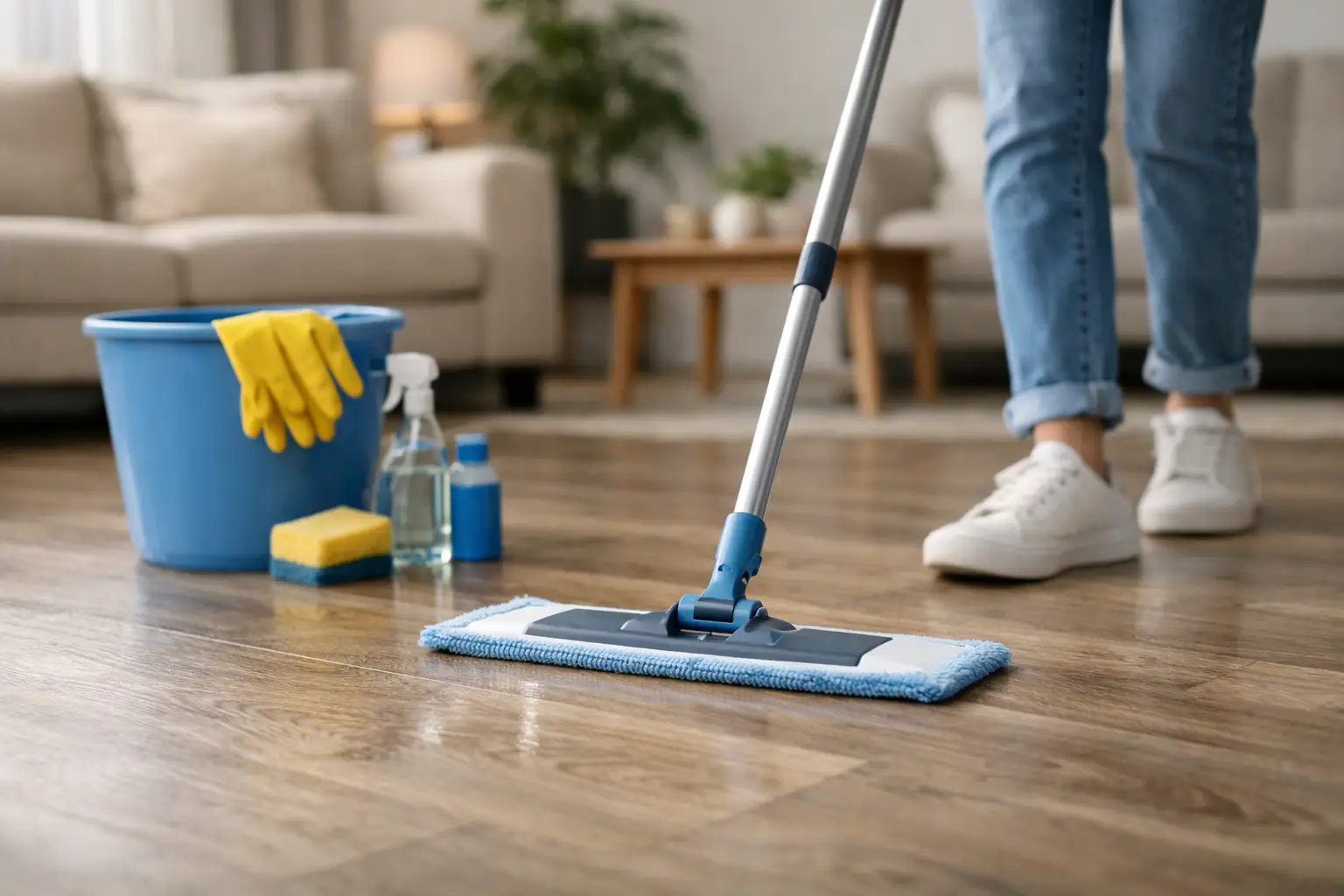
A damp microfiber mop is usually all you need. Not wet – just damp enough to pick up fine soil and light residue. If the mop is dripping, it is too wet. Work in sections and let the floor air dry quickly.
For routine cleaning, warm water may be enough. If you need more cleaning power, use a pH-neutral cleaner labeled safe for luxury vinyl. The key is choosing a product that cleans without leaving a film behind. Residue is often the reason floors start looking cloudy, especially in sunlight.
What cleaners are safe for LVP
The safest choice is a manufacturer-approved vinyl floor cleaner or a mild, residue-free hard floor product. If you are unsure, test a small hidden area first. Floors vary by brand and finish, and what works well on one product may leave another looking dull.
Avoid oil soaps, wax-based products, polish, and all-purpose cleaners that promise shine. That shine usually comes from buildup, not from actually cleaning the floor. It may look good for a short time, but then it starts attracting more soil and leaving uneven traffic patterns.
Steam mops are another product people ask about. Some manufacturers allow them on a low setting, while others do not recommend them at all. Heat and moisture can be a bad combination for vinyl seams and adhesives, especially if the floor is older or was installed over a less-than-perfect subfloor. If your manufacturer says no, treat that as final.
How to mop LVP without streaks or haze
If your floor looks worse after mopping than it did before, too much product is usually the reason. A clean microfiber pad and a light hand make a big difference.
Spray a small amount of cleaner onto the mop pad or floor section you are working on rather than flooding the whole room. Mop with the grain of the planks when possible. Change pads as they get dirty. Once a pad is overloaded with soil, it stops cleaning and starts smearing.
If you already have haze from previous products, one pass with the right cleaner may not fix it. Sometimes it takes repeated low-residue cleaning to strip away buildup gradually. In heavier cases, a professional vinyl floor cleaning can help reset the surface without causing damage.
Spot cleaning: what to do with spills, scuffs, and sticky messes
LVP does well with quick spot cleaning, which is good news for kitchens, entryways, offices, and rentals. The sooner you deal with a spill, the easier it is to remove.
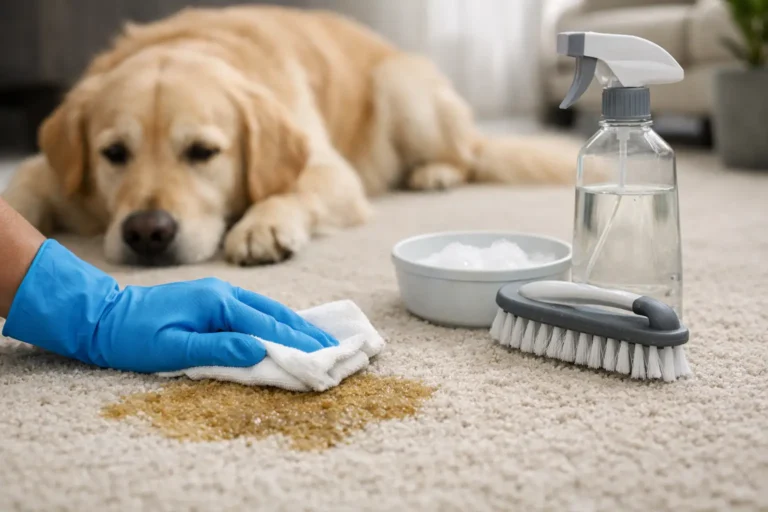
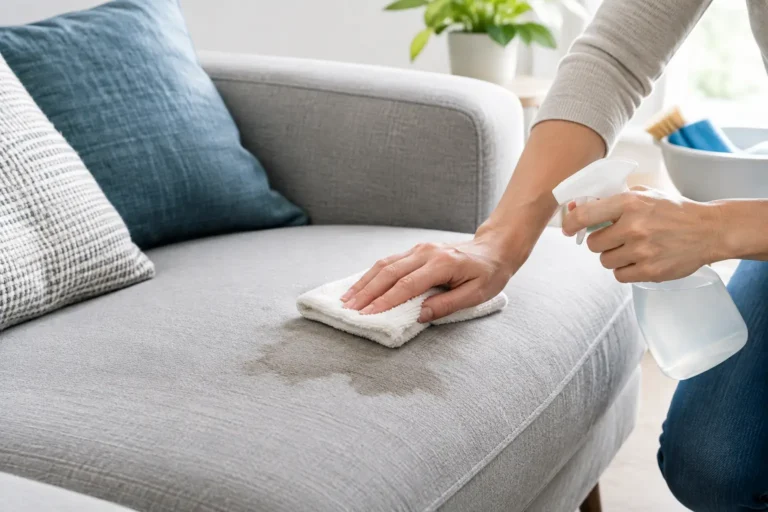
For everyday spills, wipe with a soft cloth or microfiber towel. If a spot is sticky, use a damp cloth with a small amount of vinyl-safe cleaner. Then wipe again with clean water and dry the area.
For black heel marks or light scuffs, a microfiber cloth is often enough. Some marks may need a little more pressure, but skip abrasive scrub pads or stiff brushes. They can scratch the wear layer.
For grease or food residue, patience matters more than force. Let a damp towel sit on the spot briefly to soften it, then wipe gently. With LVP, aggressive scrubbing usually creates a second problem while solving the first.
What not to use on luxury vinyl plank floors
The wrong tools and products can shorten the life of the floor even if they make it look cleaner in the moment. This is where many avoidable problems start.
Do not use bleach unless the floor manufacturer specifically allows a diluted solution for a particular issue. Do not use ammonia, harsh degreasers, abrasive powders, steel wool, or scrubbing sponges with a rough surface. These can strip the finish, discolor the print layer, or leave visible scratches.
Avoid soaking the floor with a traditional string mop and bucket. That method puts down too much water and often leaves dirty water behind. It is also worth being careful with homemade cleaner recipes. Vinegar is commonly recommended online, but frequent acidic cleaning is not ideal for every LVP floor and can affect the finish over time. A product designed for vinyl is the safer bet.
Daily and weekly habits that protect the floor
Good LVP care is mostly about prevention. Use walk-off mats at entrances, especially where sand and fine debris get tracked in. Put felt protectors under chair and table legs. Lift furniture instead of dragging it. Clean up spills quickly and dust mop often in high-traffic areas.
For homes with pets, regular dry cleaning is even more important. Fine dirt and pet hair collect along plank edges and corners, and nails can push debris across the surface if it is left too long. In commercial spaces or busy vacation rentals, increasing the cleaning frequency usually matters more than using a stronger product.
If your floor gets heavy use, a simple maintenance schedule helps. Dry mop or vacuum several times a week, and damp mop as needed. That might mean once a week in one home and every day in another. It depends on traffic, weather, and how the space is used.
When DIY cleaning is not enough
Sometimes the floor is not actually worn out. It just has layers of residue, embedded soil, or dulling from the wrong maintenance routine. That is common in properties where multiple people have cleaned over time using different products.
If your LVP still looks dirty after cleaning, feels sticky, or has uneven shine, it may need professional attention. A proper vinyl floor cleaning uses the right equipment, controlled moisture, and products chosen for the floor type and condition. That matters even more in larger homes, hospitality spaces, and commercial settings where appearance affects the whole impression of the property.
For property owners in West Hawaii, that is often the difference between replacing too soon and getting more life out of the floor. Restoration-minded care makes sense when the goal is to protect the investment, not just make it look decent for a day.
The real best way to clean LVP flooring
The best way to clean LVP flooring is not a complicated hack or a strong chemical. It is a routine that removes grit first, uses minimal moisture, avoids residue, and stays consistent. That approach keeps the floor looking clean without slowly damaging the finish.
If you have been fighting streaks, haze, or buildup, do less, not more. Use gentler tools, less water, and a cleaner made for vinyl. When the floor needs deeper help, bring in a professional who understands how to clean and restore resilient surfaces the right way.
A good LVP floor should not need constant rescue. With the right care, it should simply keep doing its job and keep your space looking well cared for.