How to Clean Vinyl Plank Flooring Right
A vinyl plank floor usually starts telling on itself before it looks truly dirty. You see dull traffic lanes near the entry, sticky spots by the kitchen, and a light film that never seems to go away no matter how often you mop. If you are wondering how to clean vinyl plank flooring without leaving streaks, residue, or water damage behind, the good news is that the process is simple when you use the right method.
Vinyl plank is popular for a reason. It handles busy households, pets, vacation rentals, and commercial foot traffic better than many hard surface options. But it is not maintenance-free. The wrong cleaner, too much water, or aggressive scrubbing can wear down the finish, push moisture into seams, and leave the floor looking older than it is.
How to clean vinyl plank flooring day to day
Most vinyl plank floors do best with dry soil removal first and light damp cleaning second. Sand, dust, and fine grit are what quietly do the most damage over time. They act like sandpaper under shoes and chair legs, especially in high-traffic spaces.
Start with a soft broom, microfiber dust mop, or vacuum designed for hard floors. If you use a vacuum, turn off the beater bar so it does not scuff the surface. This first pass matters more than many people realize. If loose dirt stays on the floor, mopping can turn it into a muddy film that spreads instead of lifts.
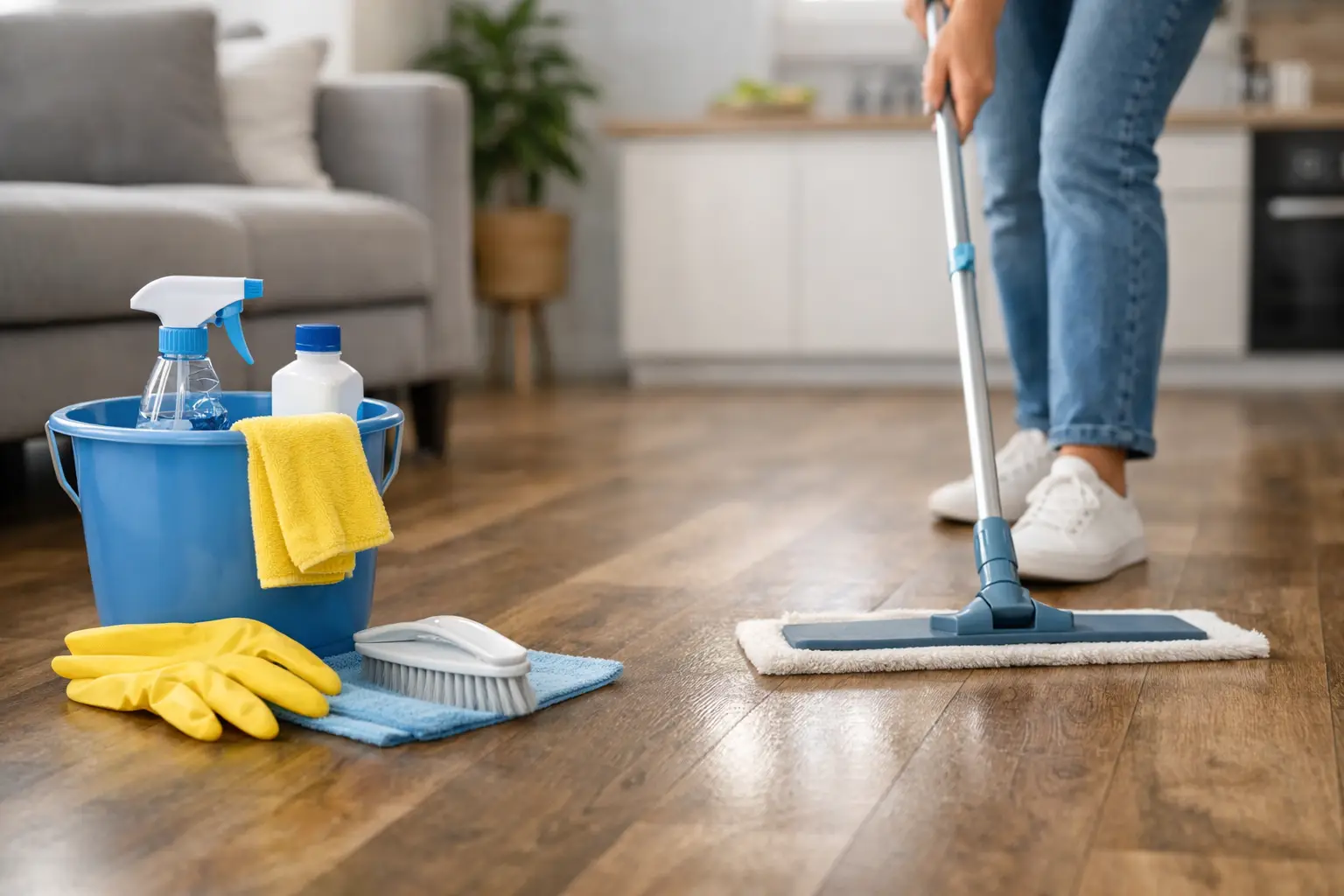
Once the floor is dry-cleaned, use a microfiber mop that is only lightly damp. Warm water is often enough for routine cleaning. If the floor needs a little more help, add a small amount of a pH-neutral cleaner labeled safe for vinyl. Less product is usually better. Overusing cleaner is one of the main reasons vinyl plank ends up looking cloudy or sticky.
Work in sections and rinse or replace the mop pad as it gets dirty. A dirty pad stops cleaning and starts redistributing residue. If you are cleaning a large area, fresh water halfway through will give you a better result than trying to stretch one bucket too far.
The best cleaner is often the simplest one
Homeowners are often told to buy specialty cleaners for every floor type, but vinyl plank is usually happiest with a mild approach. A manufacturer-approved vinyl floor cleaner or a very small amount of gentle dish soap in warm water can work for occasional deeper cleaning, as long as you do not leave soap behind.
That last part is where people get into trouble. Soap residue attracts more dirt, dulls the surface, and creates that tacky feeling under bare feet. If you use any cleaner beyond plain water, follow with a clean damp mop to remove leftover product.
Steam mops are a different story. Even if they seem convenient, heat and moisture are a risky combination for vinyl plank. Repeated steam exposure can weaken adhesive, affect the wear layer, and cause edges or seams to shift over time. The same caution applies to soaking wet string mops. Vinyl is water-resistant, but the seams and subfloor still matter.
What to avoid when cleaning vinyl plank
Some cleaning shortcuts create expensive problems. Harsh chemicals can strip the finish or discolor the floor. Abrasive pads can scratch it. Waxes and polish products often leave buildup that makes the floor look worse, not better.
Avoid bleach unless the manufacturer specifically allows it at the proper dilution. Avoid ammonia-based products, oil soaps, powdered scrub cleaners, and anything marketed as a shine restorer unless it is clearly approved for your exact flooring type. Vinyl plank is designed to have its own finish. It does not usually benefit from added coatings.
If you have seen online advice recommending vinegar for everything, be careful. A diluted vinegar solution is sometimes used on hard surfaces, but repeated acidic cleaning is not ideal for every vinyl plank product. It may not ruin the floor overnight, but it is not the safest universal answer either. When in doubt, go milder, not stronger.
How to remove spills, scuffs, and stuck-on messes
The sooner you clean up a spill, the easier the job will be. Wipe liquids promptly with a soft cloth or paper towel, then follow with a damp microfiber cloth to remove any remaining residue. This is especially important around seams, transitions, and edges where moisture can sit longer than you think.
For sticky food spills or tracked-in grime, let a damp cloth rest on the spot for a minute or two to soften it. Then wipe gently. You do not need to attack vinyl plank with force. Patience usually works better than pressure.
Scuff marks from shoes, carts, or furniture can often be removed with a microfiber cloth and a small amount of approved cleaner. For stubborn marks, a melamine sponge may help, but use a very light touch and test in an inconspicuous spot first. Too much friction can dull the wear layer.
Grease near cooking areas may need a little more attention. In that case, a diluted, vinyl-safe cleaner is more useful than adding more water. Water alone does not cut oily residue well, and too much cleaner creates a second problem. The goal is always controlled cleaning with minimal leftover product.
How often should vinyl plank be cleaned?
That depends on how the space is used. In a quiet household, dry mopping several times a week and damp mopping as needed may be enough. In a busy home with kids, pets, or frequent guests, daily dust removal and more frequent spot cleaning make a noticeable difference.
Property managers and vacation rental owners often need a tighter schedule. Fine grit from outdoor traffic, sunscreen residue, spilled drinks, and furniture movement can age a vinyl floor quickly if no one stays ahead of it. In West Hawaii, that issue can show up even faster because outdoor dust, sand, and moisture get carried inside so easily.
A good rule is simple: remove dry soil often, clean spills quickly, and damp mop before the floor starts looking filmy. Once buildup becomes visible, routine cleaning takes longer and the results are not as even.
When routine cleaning is not enough
Sometimes the floor is technically clean, but it still looks dull, streaked, or uneven. That usually points to buildup, embedded soil in texture, residue from the wrong products, or wear in heavy traffic areas. At that stage, more household cleaner is rarely the answer.
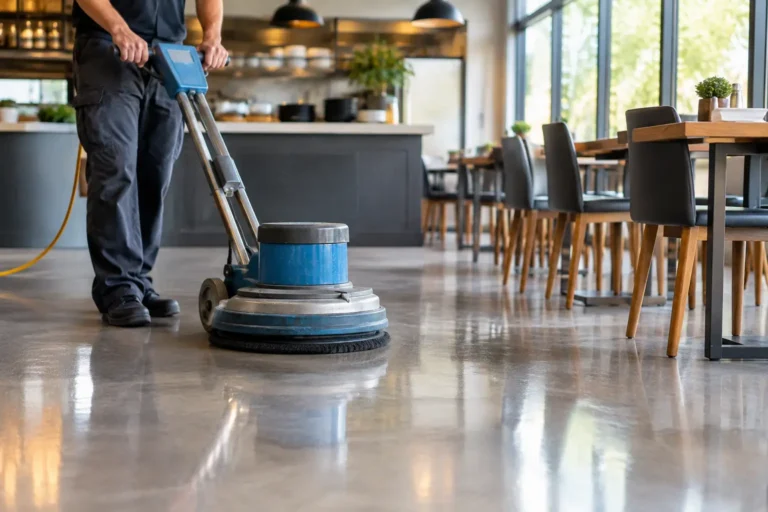
This is where professional vinyl floor cleaning can make sense. A restoration-minded service can remove trapped grime and residue more effectively than standard mopping, while using methods appropriate for the floor’s condition and finish. That matters in homes, retail spaces, and hospitality settings where appearance is part of the experience.
Professional help is also worth considering if you are dealing with a large floor area, a commercial property, recurring haze, or flooring that has been cleaned with waxes or shine products in the past. Those situations often need more than a simple DIY reset.
A few habits that help vinyl plank last longer
Cleaning matters, but protection matters too. Use mats at entrances to catch grit before it spreads. Choose felt pads under furniture and replace them when they get dirty or worn. If you move heavy items, lift instead of dragging when possible.
It also helps to keep a consistent cleaning routine instead of swinging between neglect and aggressive deep cleaning. Vinyl plank tends to hold up best when you use a gentle method regularly. That approach protects the finish, keeps the floor looking even, and reduces the need for corrective work later.
If you are not sure what has been used on your floor before, start conservatively. Test any cleaner in a hidden area, use less water than you think you need, and stop if the floor becomes more slippery, hazy, or streaked after cleaning. Those are signs the product or method is working against you.
Knowing how to clean vinyl plank flooring is really about restraint. The best results usually come from removing grit, using a small amount of the right cleaner, and keeping moisture under control. And when the floor has moved beyond what regular mopping can fix, getting experienced help is often the fastest way to bring back a cleaner, healthier look without taking risks with the surface.