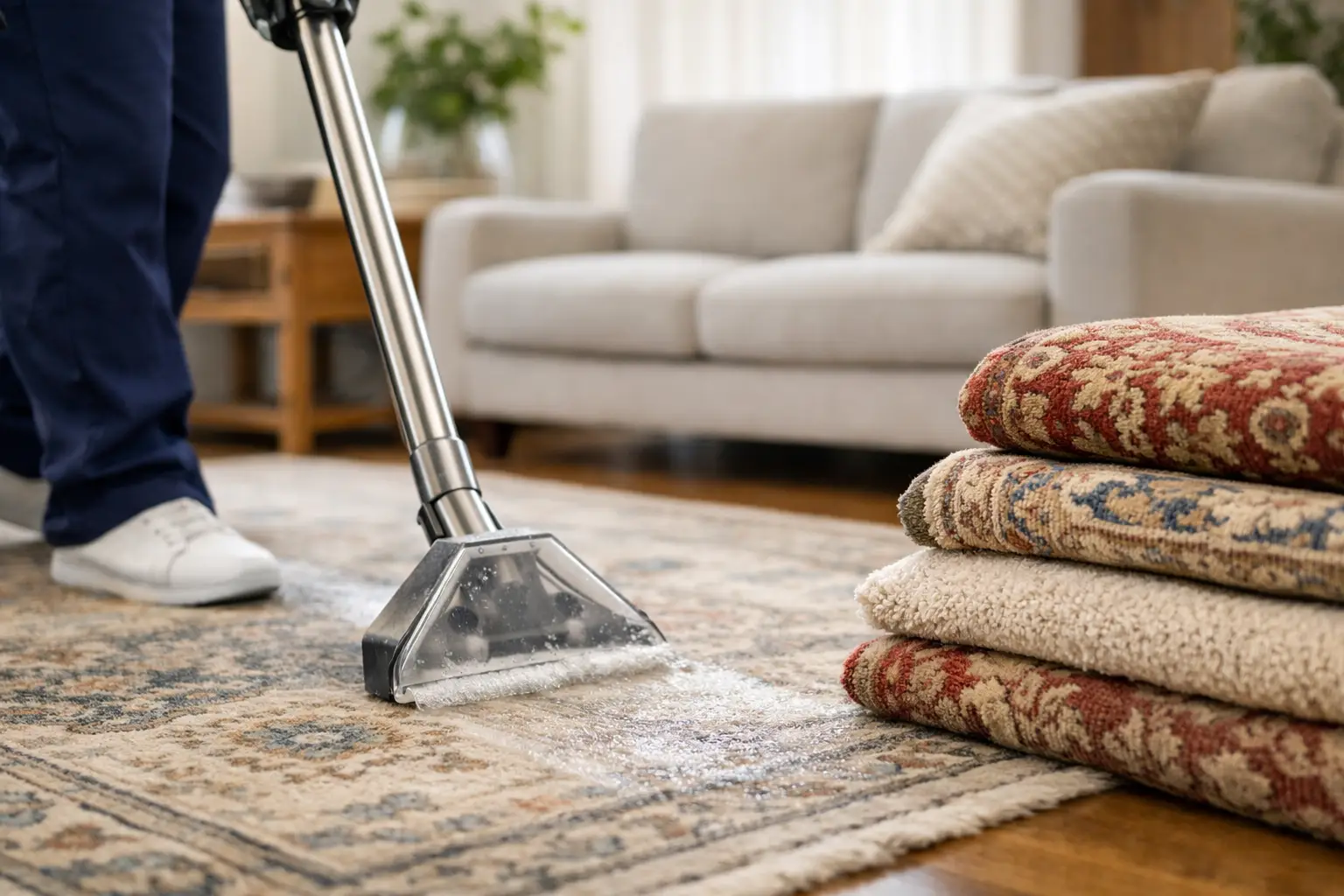
Rug Cleaning That Protects Your Home’s Best Pieces
A beautiful rug can make a room feel finished, but it also collects more than most people realize. Sand, red dirt, pet hair, food residue, sunscreen, and everyday foot traffic work their way down into the fibers. Proper rug cleaning is not just about making a rug look brighter. It is about removing the abrasive soil that causes fibers to wear down long before they should.
For homes, vacation rentals, and businesses in West Hawaii, rugs often face a demanding combination of indoor-outdoor living, humid conditions, and frequent traffic. The right cleaning method can restore appearance and freshness while protecting the rug’s color, backing, fringe, and texture. The wrong method can leave behind residue, cause browning, or even create permanent damage.
Why Rugs Get Dirty Before They Look Dirty
A rug may appear fine from across the room while holding a surprising amount of dry soil below the surface. Fine grit settles deep into the pile, where normal vacuuming may not reach it. Every step across the rug presses that grit against the fibers, creating friction that dulls color and shortens the rug’s life.
This matters especially for rugs placed near entryways, lanais, kitchens, dining tables, and high-use seating areas. A rug in a vacation property may also go through cycles of heavy guest use followed by periods with little airflow or attention. Odors, spilled drinks, and moisture can become more difficult to address when they sit too long.
Visible spots are only part of the picture. A professional evaluation also looks for traffic patterns, oily buildup, pet-related issues, discoloration, dye instability, and signs that the rug’s backing or foundation needs extra care. Cleaning is most effective when it addresses the condition of the entire rug, not only the stain that first caught your eye.
Rug Cleaning Starts With Knowing the Fiber
There is no single cleaning formula that is right for every rug. Before moisture, cleaning products, or equipment are used, the rug should be identified and inspected. Its material, construction, age, dye type, backing, and condition all affect the safest approach.
Synthetic and machine-made rugs
Many modern area rugs are made with synthetic fibers such as polypropylene, polyester, or nylon. These materials can often tolerate more active cleaning than delicate natural fibers, but they still need proper treatment. Some rugs have glued backings that can separate if they are over-wet, while others may trap cleaning solution and feel stiff if they are not rinsed thoroughly.
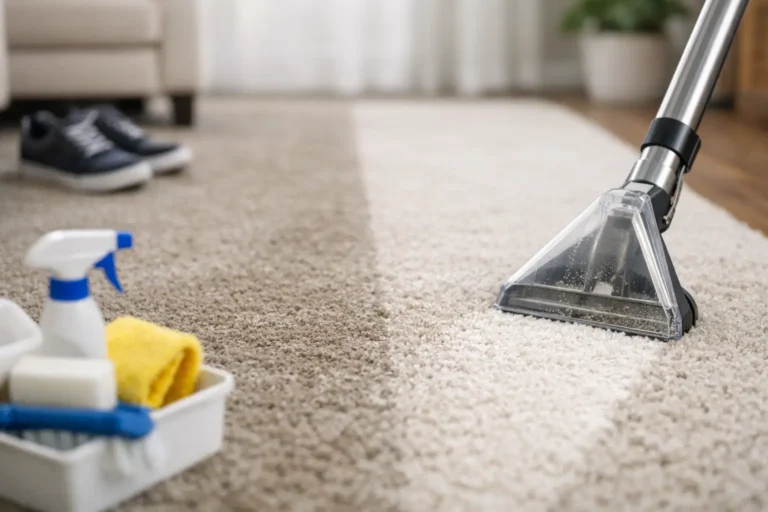
Synthetic rugs commonly respond well to professional soil removal and controlled hot-water extraction when appropriate. The goal is to lift embedded dirt and residue without soaking the backing or leaving the rug wet for an extended period.
Wool, cotton, silk, and natural-fiber rugs
Natural-fiber rugs call for a more cautious approach. Wool can be durable, but it is sensitive to high alkalinity, excess moisture, and aggressive agitation. Cotton rugs may shrink, lose shape, or develop browning if they are not dried correctly. Silk, viscose, jute, sisal, and other specialty materials can be especially vulnerable to water marks, color bleeding, texture changes, and permanent distortion.
That does not mean these rugs cannot be cleaned. It means the method must match the material and the condition. A rug with unstable dyes or a delicate foundation may need low-moisture cleaning, specialized spot treatment, or cleaning in a controlled setting rather than a standard in-home process.
What Professional Rug Cleaning Should Accomplish
A thorough service begins with inspection rather than assumptions. The cleaner should look closely at stains, fiber type, fringe, construction, odor concerns, and any pre-existing wear. This step helps set realistic expectations. Some discoloration is a removable spill, while other marks may be fading, sun damage, bleach loss, or permanent dye change.
Dry soil removal is a major part of the process. Vacuuming alone can help with surface debris, but embedded grit may require more deliberate removal before wet cleaning begins. Skipping this stage can turn dry soil into mud-like residue once moisture is introduced.
Next comes targeted treatment for the rug’s actual needs. A food spill, pet accident, oily soil, and red dirt do not respond to the same product or technique. Professional-grade solutions are selected to break down the problem while remaining appropriate for the fiber. This is where experience protects the rug from unnecessary risk.
After treatment, controlled extraction or low-moisture cleaning removes loosened soil and cleaning residue. Leaving product behind is one of the most common reasons a rug seems to get dirty again quickly. Residue can attract new soil, flatten fibers, and leave the rug feeling rough.
Drying is also part of good rug care. In Hawaii’s humidity, a rug that stays damp too long can develop odors or create concerns beneath the rug. Proper airflow, careful moisture control, and checking the backing help prevent those issues. A rug should feel clean and fresh, not overly wet, sticky, or stiff after service.
When At-Home Care Makes Sense
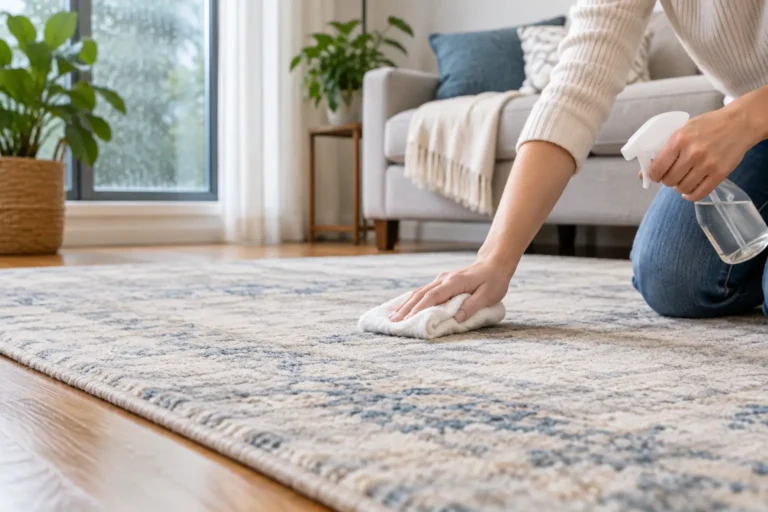
Routine maintenance at home goes a long way. Vacuum rugs regularly, especially in high-traffic areas, and use a vacuum setting that does not pull or damage fringe. Rotate rugs periodically when possible so traffic and sunlight do not affect only one section. For a fresh spill, blot with a clean white towel rather than scrubbing. Scrubbing can push the spill deeper, spread it outward, and distort the pile.
Use only a small amount of water when addressing a spot, and avoid reaching for strong household cleaners without checking the fiber. Bleach, high-alkaline products, and heavily fragranced sprays can set stains, remove color, or leave residue behind. If a cleaner changes the color of your towel or the rug’s dye appears to transfer, stop immediately.
Home care is best for quick response and routine upkeep. It is not always the right answer for an entire rug that has years of soil, widespread pet odor, or delicate fibers. Rental machines can also over-wet rugs and may not remove all the solution they put down.
Signs It Is Time to Call a Rug Cleaning Professional
A professional assessment is a smart choice when a rug has persistent odors, dark traffic lanes, recurring spots, pet accidents, or a spill that has spread into the backing. It is also wise to call before attempting to clean an expensive wool, silk, antique, handwoven, or heirloom rug.
Pay attention to changes in texture. If a rug feels crunchy, sticky, matted, or unusually rough, it may have soil and product buildup below the surface. Frayed edges, loose fringe, rippling, or backing separation are also reasons to proceed carefully. Cleaning can improve many rugs, but it should never ignore structural concerns.
For property managers and hospitality spaces, scheduled maintenance is often more cost-effective than waiting for rugs to become visibly soiled. Clean rugs support a better first impression, reduce odor complaints, and help protect a furnishing that would be expensive to replace.
A Practical Cleaning Schedule for Area Rugs
The right schedule depends on where the rug sits and how it is used. A lightly used bedroom rug may only need professional cleaning every 12 to 18 months. Rugs in entryways, living rooms, dining spaces, vacation rentals, and offices may need service every 6 to 12 months. Homes with pets, young children, allergies, or frequent guests may benefit from more frequent attention.
Between professional visits, regular vacuuming and prompt spill response make a real difference. The earlier a stain is addressed, the more options there usually are for removing it. Waiting until a spot becomes dark, sticky, or odorous can turn a straightforward cleaning issue into a more involved restoration project.
Your rug does not need to look ruined before it deserves care. Timely, fiber-appropriate cleaning helps preserve the pieces that make a house, rental, or business feel welcoming. When the material or stain is uncertain, a careful professional inspection is the safest first step, and it can often save a rug that might otherwise be replaced too soon.