
Can Upholstery Cleaning Remove Odors for Good?
A sofa can look perfectly clean and still hold onto an odor that changes the feel of an entire room. Pet accidents, spilled drinks, cooking oils, body oils, mildew, and vacation-rental wear can settle below the visible fabric. So, can upholstery cleaning remove odors? In many cases, yes – but lasting results depend on what caused the odor, how far it traveled into the furniture, and whether the cleaning method addresses the source instead of covering it up.
For homeowners, property managers, and businesses in West Hawaii, this distinction matters. Warm conditions, humidity, open windows, pets, and frequent guest turnover can make fabric odors harder to ignore and easier to spread. A professional upholstery cleaning can refresh furniture, improve indoor comfort, and help extend the usable life of a valued piece, but it should be approached with the right expectations.
Can Upholstery Cleaning Remove Odors Completely?
Professional upholstery cleaning can remove many common odors when the odor-causing material is in the fabric or upper cushioning. Soil, oils, food residue, pet dander, sweat, and minor spills often respond well to a careful deep-cleaning process using fabric-appropriate products and thorough extraction.
The key is removal. Fragrance sprays and deodorizing powders may make a chair smell better for a day or two, but they do not remove the bacteria, organic residue, or moisture feeding the odor. Once the added scent fades or the humidity rises, the smell can return.
A proper cleaning process loosens embedded soil, treats the affected area, and extracts residues from the upholstery. When performed with the right equipment and technique, it can make a meaningful difference in both odor and appearance without over-wetting or damaging delicate fibers.
Still, no honest professional should promise that every odor will disappear completely before inspecting the furniture. If contamination has reached deep into foam, wood framing, webbing, or the floor beneath the piece, additional treatment may be necessary.
Why Upholstered Furniture Holds Smells
Upholstery is made of layers. The surface fabric is only the part you see. Beneath it may be batting, foam cushions, lining, dust covers, springs, wood, and other materials that can absorb moisture and odor-causing residue.
Everyday use gradually adds body oils, hair products, skin cells, dust, and airborne cooking residue to those layers. A favorite recliner may develop a stale or oily smell simply because it has been used heavily for years without a deep cleaning. In homes with pets, dander and repeated small accidents can add another layer of odor.
Moisture is often the turning point. A drink spill that was not fully dried, a wet swimsuit on a cushion, a leaking window, or damp conditions near an open lanai can create the environment that mildew and bacteria need. The resulting odor may be musty, sour, or sharp, and it can become more noticeable when the room is closed up.
Pet Urine Is a Different Kind of Odor Problem
Pet urine deserves special attention because it can move beyond the upholstery fabric quickly. The liquid may soak into cushion foam, pass through the underside of the furniture, and reach the floor or rug below. As it dries, urine deposits can remain behind and produce odor again during humid weather.
Surface cleaning alone is rarely enough for a significant pet accident. Effective treatment may require identifying the affected areas, applying an odor treatment designed for organic contamination, cleaning and extracting the upholstery, and evaluating the cushion inserts or underlying surface. In severe cases, replacement of foam or repair of a contaminated component may be more practical than repeated cleaning.
Musty Odors Can Point to a Moisture Issue
A musty couch or chair is not always a simple cleaning issue. If the odor comes from mold or mildew caused by a continuing leak, high moisture exposure, or poor drying, the source must be corrected first. Cleaning furniture while moisture remains present can lead to the same problem returning.
This does not mean every musty smell indicates a major mold problem. Sometimes it is trapped humidity and accumulated soil. A professional inspection helps determine whether the upholstery is a reasonable candidate for cleaning or whether there may be a larger moisture concern to address.
What Professional Upholstery Cleaning Does Differently
Not every upholstered piece should be cleaned the same way. Cotton, linen, microfiber, wool blends, velvet, leather, and synthetic performance fabrics all have different needs. Using too much water, aggressive agitation, or the wrong chemical can cause browning, shrinkage, texture changes, dye bleeding, or damage to delicate materials.
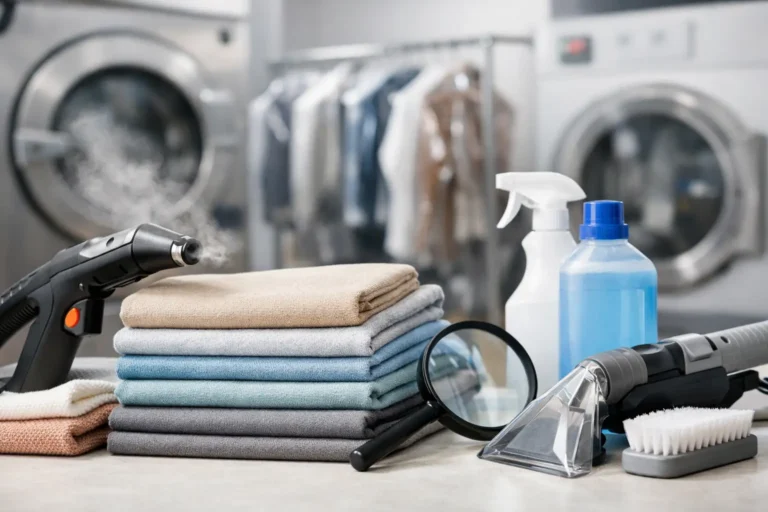
Professional cleaners begin by evaluating the fabric, construction, soil level, stains, and likely source of the odor. From there, they select a method and products suited to the material. Depending on the piece, this may involve low-moisture cleaning, hot water extraction, controlled hand cleaning, targeted spotting, deodorizing treatment, or a combination of methods.
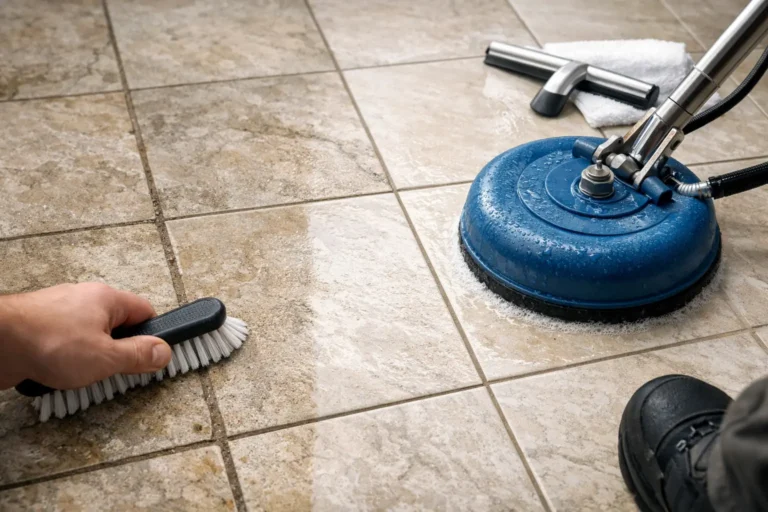
Truck-mounted equipment can be especially helpful for appropriate fabrics because it provides strong extraction. The goal is not simply to get the surface wet. It is to remove loosened soil and residues while leaving the upholstery as dry as reasonably possible. Better extraction supports faster drying and lowers the chance of a lingering damp smell.
At Jensen’s Cleaning, the focus is on restoring the furniture when cleaning is the sensible option, not pushing customers toward premature replacement. That restoration mindset is especially valuable for quality sofas, dining chairs, office seating, and vacation-property furnishings that need to look and smell clean for the next season, tenant, or guest.
When Cleaning May Not Be Enough
There are situations where odor removal has limits. If a piece has been repeatedly exposed to pet urine, floodwater, heavy smoke, or long-term mildew, the odor source may be embedded in materials that cannot be fully flushed or safely treated. Furniture with deteriorated foam, damaged wood, or hidden moisture can also hold odors after the visible fabric is cleaned.
Smoke odors can be particularly stubborn. Nicotine and smoke residue may settle into fabric, padding, wood, walls, and HVAC systems. Upholstery cleaning can reduce the odor and remove surface residue, but a room-wide smoke issue often requires broader remediation.
Age and construction also matter. A lightly used upholstered chair with a recent spill may respond very well to professional treatment. A 20-year-old sofa with worn foam and years of accumulated odors may improve substantially but not smell brand new. Clear expectations are part of fair, honest service.
How to Prevent Odors From Returning
The best time to deal with a spill is immediately. Blot liquids with clean, absorbent towels rather than rubbing them deeper into the fabric. Avoid soaking cushions with store-bought cleaners, especially if you cannot extract the moisture afterward. Excess product can leave a residue that attracts more soil, while excess water can create a drying problem.
For pet accidents, address the area promptly and avoid using heat before the contamination is treated. Heat can set odors and stains. If the cushion has a removable cover, do not assume it is machine washable without checking the manufacturer’s care label, since shrinkage or color loss can make the situation worse.
Routine professional cleaning also helps prevent gradual odor buildup. Homes with pets, children, frequent entertaining, or vacation-rental traffic often benefit from more regular upholstery care than a lightly used household. Keeping furniture clean before odors become deeply established is usually simpler and more cost-effective than trying to correct a long-standing problem.
If a couch, chair, or sectional still smells after home cleaning, do not assume it is beyond saving. A professional assessment can identify whether the odor is in the fabric, the cushions, or somewhere underneath the furniture. With the right treatment and realistic expectations, many upholstered pieces can feel comfortable, clean, and welcoming again.