Why Carpets Smell and What the Odor Means
A carpet can look clean and still make a room feel off the moment you walk in. If you are asking why carpets smell, the answer is usually not the carpet fibers alone. Odors often come from what has settled beneath the surface: moisture, body oils, pet accidents, food spills, bacteria, mildew, or residue left behind by past cleaning.
In West Hawaii, warm temperatures and humidity can make those hidden odor sources more noticeable. A smell that seems mild in the morning may become stronger after the room is closed up, after rain, or when the air conditioning starts running. Finding the source matters because fragrance sprays may cover an odor briefly, but they do not remove what is causing it.
Why Carpets Smell After Everyday Use
Carpet is designed to trap soil so it does not spread through the home or business. Over time, that same benefit can allow fine dust, skin cells, cooking oils, hair, and outdoor debris to collect deep in the pile and backing. As those materials build up, they can develop a dull, stale, or musty smell.
High-traffic areas tend to show the problem first. Entryways, hallways, living rooms, office walkways, and vacation-rental bedrooms receive repeated foot traffic. Even when shoes come off at the door, feet and pets transfer oils and moisture to the carpet. Those oils hold onto dirt and odor-causing particles more readily than dry soil alone.
Regular vacuuming is still essential, but it has limits. A vacuum removes much of the dry debris near the surface. It cannot fully extract sticky residue, deeply embedded oils, or contamination that has reached the backing and pad. That is where professional deep cleaning can make a meaningful difference in both appearance and odor.
Pet urine and lingering accidents
Pet urine is one of the most common reasons a carpet smells stronger on humid days. The liquid can travel beyond the visible spot, soaking through the carpet backing and into the pad or even the subfloor. Once it dries, crystals and residue remain behind. Humidity can reactivate the odor, making a past accident seem new again.
Home spot cleaners may help with a fresh, small accident, particularly if the area is treated quickly and blotted thoroughly. Older or repeated pet spots are different. They often need targeted treatment that reaches the full affected area rather than simply cleaning the top fibers. In severe cases, the pad or subfloor may also require attention.
Spills, food, and drink residue
Coffee, wine, juice, milk, sauces, and greasy foods can all leave an odor behind if they are not fully removed. A spill may look gone after blotting, while sugars, proteins, or oils remain in the carpet. Those residues can attract bacteria and additional soil over time.
This is especially common in living rooms, guest rooms, restaurants, and vacation properties where people eat or drink away from a table. The goal is not just stain removal. Proper cleaning needs to remove the residue that feeds the odor problem.
Musty Carpet Smells Usually Point to Moisture
A musty smell should be taken seriously. It does not automatically mean there is mold, but it does mean moisture has been present long enough for microbial growth or mildew-related odors to develop. Carpets can hold moisture after a spill, plumbing leak, open window during heavy rain, appliance overflow, or incomplete drying after cleaning.
The source is sometimes obvious, such as a wet patch near a sliding door. Other times, it is hidden under furniture, along a wall, beneath an area rug, or under carpet that feels dry on top but is damp underneath. Air conditioning condensation issues and slow plumbing leaks can also create localized odor problems.
Do not assume extra deodorizer will solve a musty smell. If the carpet or pad remains damp, the odor can return and the underlying condition can worsen. The first priority is identifying and correcting the moisture source. Once the area is dry and stable, cleaning and odor treatment can address what remains in the carpet.
Why a carpet can smell after cleaning
A carpet may smell worse after cleaning when old residue becomes damp again. Moisture can release odors that were trapped in dry soil, pet contamination, or previous spills. This does not always mean the cleaning was ineffective, but it may reveal an issue that was already below the surface.
Slow drying can also contribute to a damp or sour smell. Good airflow, properly functioning air conditioning, and professional equipment that extracts as much moisture as possible all help. If an odor remains after the carpet has dried completely, it may need a more specific treatment than a general cleaning.
Another possible cause is cleaning product residue. Using too much shampoo or renting equipment without enough extraction can leave behind a sticky film. That film attracts new soil quickly, and the carpet may begin to smell stale again sooner than expected. More product is not better. The right solution, proper agitation, thorough rinsing, and strong extraction produce better long-term results.
How to Tell What Kind of Carpet Odor You Have
The character and timing of the smell can offer useful clues. A damp, earthy odor that becomes stronger after rain or when a room is closed may suggest moisture or mildew. A sharp ammonia-like smell often points to pet urine. A sour smell may come from food, drink, or organic spills. A stale, dusty odor throughout several rooms may simply indicate a buildup of everyday soil and oils.
Location matters too. If the smell is strongest near a sofa, recliner, or bed, inspect for pet accidents, spilled drinks, or moisture trapped beneath furniture. If it is near an exterior wall, doorway, bathroom, or kitchen, look for possible water intrusion or plumbing concerns. For commercial spaces, odors near entrances and break areas often trace back to traffic soil and food residue.
If you cannot identify the source, avoid repeatedly soaking the carpet with store-bought treatments. Multiple products can react with one another, leave residue, or spread a small contaminated area into a larger one. A careful inspection is usually more productive than another round of fragrance-heavy cleaner.
What You Can Do Before Calling a Professional
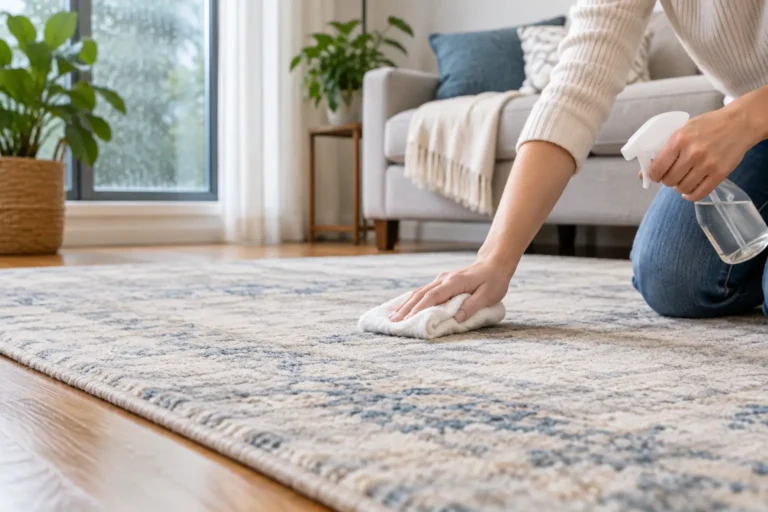
For a fresh spill, blot immediately with clean white towels. Press down firmly and replace towels as they absorb moisture. Avoid rubbing, which can push the spill deeper and damage carpet fibers. Use a small amount of an appropriate carpet-safe cleaner according to its directions, then blot again rather than saturating the area.
For general odors, vacuum thoroughly and move lightweight furniture if practical. Improving airflow can help a recently cleaned or damp carpet dry faster. If you suspect a leak, stop the water source and have the affected area assessed promptly.
Baking soda can absorb mild surface odors when used sparingly and vacuumed thoroughly, but it is not a cure for urine in the padding, mildew, or heavy residue. In fact, excessive powder can be difficult to remove and may interfere with vacuum performance. It works best as a temporary measure for light odors, not as a substitute for deep extraction.
When Professional Carpet Cleaning Is the Better Choice
Professional service is a smart next step when odors keep returning, a pet has had repeated accidents, there is visible staining, or the carpet has not been deep-cleaned in some time. It is also the safer choice for delicate rugs, wool carpet, upholstery near the affected area, and properties where appearance and guest comfort matter every day.
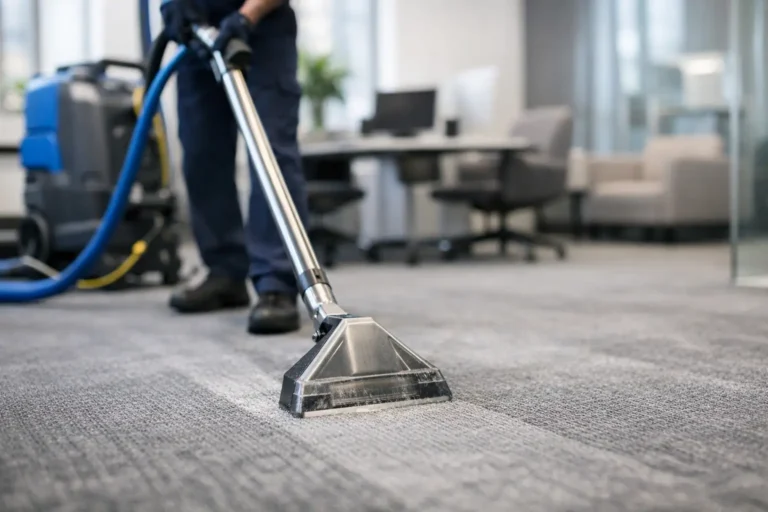
Truck-mounted equipment and professional-grade products can provide stronger soil removal and extraction than most rental machines. More importantly, an experienced technician can match the cleaning approach to the source of the odor and the type of fiber. That helps avoid damage from overwetting, harsh chemicals, or treatments that only mask the problem.
For homeowners, property managers, and businesses in Kailua-Kona and across West Hawaii, a dependable cleaning plan can protect more than a carpet’s appearance. It can help maintain a cleaner indoor environment, reduce embarrassing odors before guests arrive, and extend the useful life of flooring that would otherwise be replaced too soon.
A carpet should make a room feel comfortable, not make you wonder what visitors notice first. When an odor persists, treat it as useful information: something beneath the surface needs attention, and addressing it early is usually the simplest path back to a fresher space.