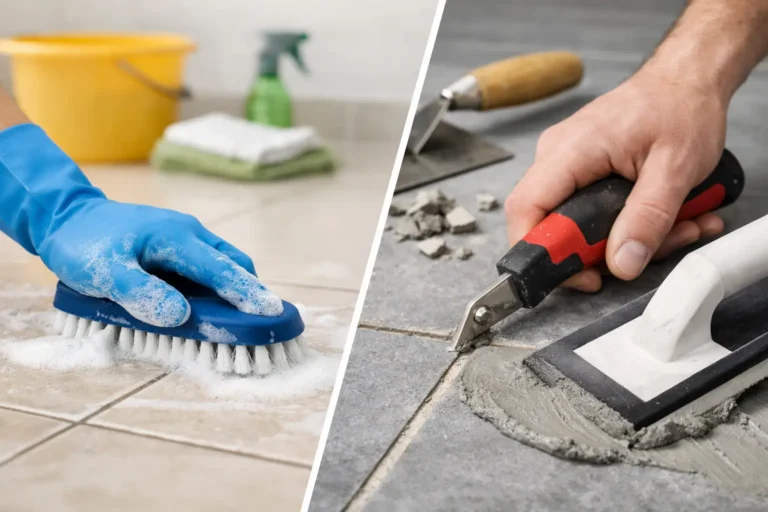

Tile Floor Cleaning Checklist for Lasting Results
A tile floor can look clean from across the room while its grout is quietly collecting sand, cooking residue, soap film, and tracked-in soil. That buildup is especially common in West Hawaii, where open doors, beach traffic, humidity, and busy vacation rentals can put hard surfaces through more than a typical day at home. Use this tile floor cleaning checklist to keep routine care simple and catch problems before they become harder to remove.
The goal is not to scrub tile endlessly or use the strongest product under the sink. It is to remove abrasive grit, clean the soil that regular mopping leaves behind, and protect the grout and finish that make the floor look its best.
Start With the Right Tile Floor Cleaning Checklist
Before cleaning, identify what is actually on the floor. Ceramic and porcelain tile are generally durable, but natural stone, glazed finishes, textured tile, and older grout need a more careful approach. A cleaner that works on one surface may leave haze, dull a finish, or damage another.
Walk the room first. Look along the edges of cabinets, around toilets, at entryways, and in front of appliances. These are the places where grease, moisture, pet traffic, and fine grit tend to settle. In commercial spaces and vacation properties, inspect transitions from outdoor walkways and pool areas as well. Sand and small stones act like sandpaper under shoes, gradually wearing at the floor’s appearance.
For most homes and businesses, this checklist provides a practical routine:
- Remove rugs, small furniture, and loose items so soil is not pushed into hidden areas.
- Dry sweep, vacuum with a hard-floor setting, or use a microfiber dust mop to collect grit before adding water.
- Treat visible spills and sticky spots first, using a tile-safe cleaner and a soft cloth.
- Mop with clean water and the correct diluted cleaner, changing the solution when it turns cloudy.
- Rinse if the product calls for it, then dry the floor with a clean microfiber mop or towel in areas where streaking is a concern.
- Check grout lines, corners, and edges after the floor dries. If they still look dark or feel tacky, the soil is likely below the surface rather than sitting on top.
That dry sweep step matters more than many people realize. Mopping over sand, dust, or crumbs creates muddy residue and can drag abrasive particles across the tile. A clean mop solution also matters. Reusing gray water spreads suspended soil back over the floor and often leaves the dull film homeowners are trying to eliminate.
Choose Cleaners That Match the Surface
A neutral-pH tile and grout cleaner is often the safest starting point for routine cleaning. Follow the dilution directions rather than adding extra product. More soap does not mean a cleaner floor. It can leave a residue that attracts new dirt, especially in kitchens, entryways, and bathrooms.
Avoid using vinegar, acidic cleaners, or harsh abrasive powders as an all-purpose solution. These products may seem effective because they cut through some buildup quickly, but they are not suitable for every tile or grout installation. Acidic products can etch natural stone and may weaken or discolor certain grout. Abrasive scrubbers can scratch glossy tile and wear down protective finishes over time.
Bleach is another product that calls for restraint. It may brighten some stains, but it does not remove the oils and embedded soil that cause many grout lines to look dirty. Frequent or heavy bleach use can also create strong fumes and may affect colored grout. If mold or mildew is present around showers, exterior entries, or persistently damp areas, identify the moisture source along with cleaning the surface. Otherwise, the problem often returns.
For textured tile, use a soft-bristle brush only when needed and work in small sections. The trade-off is time: texture provides traction, but it holds more soil than a smooth tile floor. A microfiber mop may handle light maintenance, while periodic deeper cleaning is necessary to lift dirt from the low spots.
Give Grout Its Own Inspection
Grout is porous, which is why a floor can have clean-looking tile with dark, uneven lines between it. Routine mopping can maintain grout, but it does not always reach embedded oils, mineral residue, or fine soil. In kitchens, grout may absorb cooking grease. In bathrooms, it can collect soap residue and moisture. Near exterior doors, it often traps dust and sand.
Use a grout-safe cleaner, allow it to dwell only as directed, and agitate gently with a grout brush. Do not use a metal brush or aggressively scrape at the joints. If the grout remains dark after careful cleaning, it may need professional extraction or restoration rather than more scrubbing.
Also watch for cracking, missing grout, loose tile, or soft areas near showers and sinks. Cleaning will not solve a failed grout joint or water intrusion. Addressing those issues early helps prevent more expensive repairs behind the surface.
Set a Cleaning Schedule That Fits Real Traffic
There is no single schedule for every tile floor. A quiet guest bathroom needs less attention than a Kailua-Kona entryway that sees shoes, pets, kids, and outdoor dust every day. The best schedule is based on traffic, moisture, and how quickly residue builds up.
For a typical household, dry sweeping two or three times a week and damp mopping weekly is often enough to control routine soil. Kitchens, busy entries, and pet areas may need quick attention more often. Wipe spills promptly, especially oils, sauces, coffee, and bathroom products, before they soak into grout or leave a sticky film.
Vacation rentals, restaurants, offices, and other commercial spaces usually benefit from daily dry soil removal. Their deeper cleaning needs depend on turnover, foot traffic, food service, weather exposure, and the kind of tile installed. A floor that looks acceptable at opening time may still be holding residue that becomes slippery when wet. Regular inspection is part of safety as well as appearance.
Place quality mats at entrances and clean them regularly. Mats reduce the amount of grit that reaches the tile, but a dirty mat eventually becomes another source of soil. Avoid rubber-backed mats on surfaces where moisture can become trapped underneath, particularly in humid or wet locations.
Know When Routine Mopping Is Not Enough
A deeper clean is worth considering when grout stays dark after cleaning, the floor feels sticky or slick, or tile has a gray, cloudy appearance that returns soon after mopping. Persistent odors, mildew staining, greasy kitchen traffic lanes, and buildup around toilets or shower thresholds are also signs that standard maintenance is falling short.
Professional tile and grout cleaning uses specialized products, agitation, and extraction methods to pull soil out instead of simply moving it around. The right process depends on the tile, grout condition, previous products used, and whether there are stains, mineral deposits, or old sealers on the surface. This is why a one-size-fits-all chemical approach can create more work than it saves.
For property managers and business owners, professional care can also help protect the presentation of a space between guests, tenants, or customers. Clean grout makes a noticeable difference in bathrooms, lobbies, kitchens, and common areas because it changes how the entire floor reads at a glance.
Jensen’s Cleaning helps West Hawaii homeowners, property managers, and businesses restore tile and grout with professional equipment and surface-specific care. A fair assessment should focus on the condition of the floor and the result you want, not pressure to replace tile that may still have plenty of life left.
Keep your routine simple, use products that respect the surface, and pay attention to the grout instead of judging the floor from a distance. A little consistent care protects one of the hardest-working finishes in your home or business.