
How to Clean High Traffic Carpet Properly
A carpet can look worn out long before it is ready to be replaced. The usual culprit is not always a dramatic stain. It is the steady buildup of fine soil, oils, sand, and moisture tracked in through entryways, hallways, living rooms, offices, and rental properties. Knowing how to clean high traffic carpet correctly helps protect its fibers, improve its appearance, and avoid the sticky residue that makes dirt return even faster.
In West Hawaii, that buildup can be especially stubborn. Sand, red dirt, salt air, humidity, and frequent guest turnover can all take a toll. A good cleaning routine is less about using the strongest product on the shelf and more about removing dry soil first, treating spots carefully, and knowing when the carpet needs professional extraction.
Start With Dry Soil Removal
Most of the dirt in high-traffic carpet is dry, gritty soil. If it stays in the carpet, every footstep works those particles deeper into the fibers. Over time, that abrasion can leave a traffic lane looking flat, gray, or darker than the rest of the room.
Vacuum slowly and make several passes over the most-used areas. A quick pass may collect surface debris, but it does not do much for sand and fine particles settled near the backing. Use a vacuum with strong suction and a beater bar or brush roll that is appropriate for your carpet type. For looped, Berber, wool, or delicate rugs, use the setting recommended by the manufacturer so you do not pull or fuzz the fibers.
Entryways, sofa paths, hallway centers, dining areas, and the space around beds deserve extra attention. For homes with pets, children, vacation guests, or frequent outdoor activity, vacuuming these lanes two to three times per week is often more effective than waiting for the carpet to look dirty.
Treat Spots Before They Become Traffic Stains
A traffic stain is often a combination of soil and residue. Small spills from drinks, sunscreen, food, pet accidents, or tracked-in mud can attract more dirt when they are not fully removed. The result is a dark patch that seems to reappear even after cleaning.
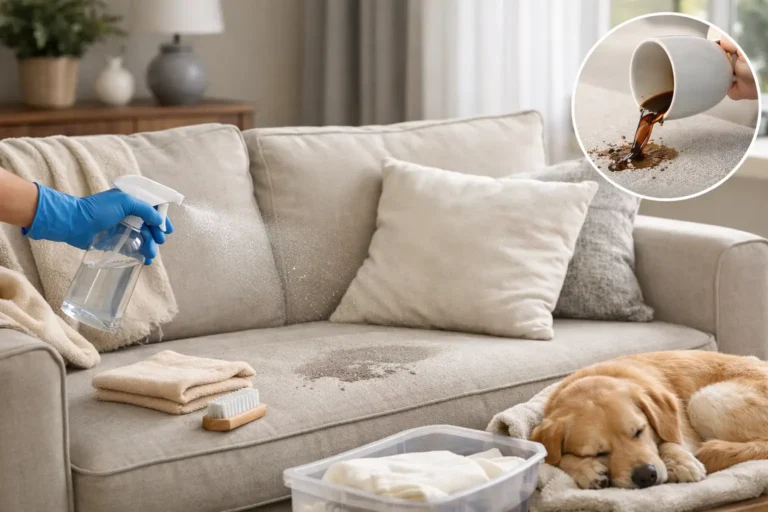
Blot fresh spills immediately with clean white towels. Press down firmly, then switch to a dry section of the towel as moisture transfers. Avoid scrubbing. Scrubbing can spread the spill, distort the pile, and force the stain deeper into the carpet.
For a general water-safe spill, use a small amount of carpet-safe spot cleaner according to its label. Test it first in an inconspicuous area, especially on wool, patterned carpet, or older carpet with uncertain dye stability. Apply the cleaner to a towel rather than soaking the carpet, blot from the outer edge toward the center, and follow with a clean, damp towel to remove product residue.
Pet urine, grease, coffee, red wine, and rust need different treatment approaches. A one-size-fits-all cleaner can set certain stains or damage delicate fibers. If the spot has an odor, keeps returning, or has spread into the backing and pad, professional treatment is usually the safer choice.
How to Clean High Traffic Carpet Without Leaving Residue
The biggest mistake in do-it-yourself carpet cleaning is using too much shampoo or not rinsing well enough. Soap residue feels slightly sticky, and sticky fibers collect soil quickly. That is why a freshly cleaned traffic lane can look dirty again within days.
For routine maintenance, choose a low-residue carpet cleaner that matches your carpet fiber. Use less solution than you think you need. More product does not mean a better clean. It often means more rinsing and a higher chance of rapid resoiling.
If you use a rental machine or home carpet extractor, vacuum first, pre-treat only the dirtiest lanes, and move the machine slowly. Make one or two wet passes followed by several dry passes. The dry passes matter because excess moisture can lead to lingering odors, slow drying, and potential issues with the carpet backing in humid conditions.
Do not saturate the carpet. If it feels wet rather than merely damp after extraction, continue making dry passes and improve airflow right away. Run ceiling fans, open windows when weather allows, and use air conditioning or portable fans to speed drying. Keep people and pets off the carpet until it is dry.
Restore the Pile, Not Just the Color
High traffic does more than make carpet dirty. Repeated walking can crush the pile and make a clean carpet appear matted. Cleaning may brighten the fibers, but restoring the texture takes a little more care.
After the carpet is mostly dry, gently rake the pile with a carpet rake or a clean, soft brush designed for carpet. Work in the direction that lifts the fibers rather than pulling against them. This can reduce visible traffic patterns and help the carpet dry more evenly.
Be realistic about permanent wear. If the fibers are frayed, faded, or physically crushed from years of use, cleaning cannot return them to brand-new condition. However, removing embedded soil and residue can make a meaningful difference in color, feel, and overall presentation. For a rental home, office, or hospitality space, that restoration can help extend the useful life of the carpet before replacement becomes necessary.
Avoid the Shortcuts That Cause Damage
High traffic carpet responds best to consistent care, not harsh chemicals. Bleach, strong alkaline cleaners, dish soap, and excessive deodorizer powders can create bigger problems than the original soil. Bleach can remove color. Dish soap is difficult to rinse completely. Powder products can settle into the backing and leave a gritty residue.
Steam alone is not always the answer either. Heat can help with some soils, but it can also set protein-based stains or affect certain fibers if used improperly. The right method depends on the carpet construction, the type of soil, the stain history, and how much moisture the area can safely handle.
Furniture should also be moved with care. If you clean around table legs or heavy furniture, place protective tabs or blocks under the legs until the carpet is dry. This helps prevent rust marks, wood stain transfer, and dents in the damp pile.
Build a Maintenance Schedule That Fits the Space
A quiet guest room and a busy lobby should not be cleaned on the same schedule. The more people, pets, sand, and outdoor activity a space sees, the more often it needs attention.
For most homes, regular vacuuming plus prompt spot treatment and professional cleaning every 12 to 18 months is a sensible starting point. Homes with pets, children, allergy concerns, or light-colored carpet may benefit from professional service every 6 to 12 months. Vacation rentals and commercial spaces often need more frequent cleaning because appearance, guest experience, and odor control are part of the property’s day-to-day operation.
Walk-off mats at entrances can make a noticeable difference, particularly near lanais, exterior doors, garages, and pool access. Clean the mats regularly, because a dirty mat cannot trap much more soil. Asking guests and family members to remove shoes indoors also reduces the amount of abrasive grit that reaches the carpet.
When Professional Carpet Cleaning Makes Better Sense
Home machines can help with upkeep, but they have limits. Their vacuum power, water recovery, and soil-removal capability are usually lower than professional truck-mounted equipment. When traffic lanes are dark, odors persist, spots return, or carpet takes too long to dry after DIY cleaning, deeper extraction may be needed.
A trained cleaner can assess the fiber type, select products for the specific soil, and use controlled water pressure and recovery to remove buildup without overwetting the carpet. This matters for delicate rugs, heavily used commercial areas, and properties where appearance needs to hold up between guest stays.
For homeowners, property managers, and businesses in Kailua-Kona and across West Hawaii, Jensen’s Cleaning focuses on restoration-minded care that helps carpets look cleaner without pushing premature replacement. Fair, honest advice starts with identifying what can be cleaned, what may be permanent wear, and what will deliver the best value for the space.
A cleaner traffic lane is usually the result of small, consistent habits: slow vacuuming, quick blotting, light use of the right cleaner, and professional deep cleaning before soil becomes wear. Treat the carpet like a surface worth maintaining, and it can continue to support a clean, welcoming home or business for years.