Best Carpet Cleaning Methods That Work
A carpet can look fine at a glance and still hold a surprising amount of sand, dust, spills, pet oils, and tracked-in grime. That is why understanding the best carpet cleaning methods matters – not just for appearance, but for odor control, indoor air quality, and how long your carpet lasts.
For homeowners, property managers, and businesses, the right method depends on more than the stain you can see. Carpet fiber, backing, traffic level, drying conditions, and the kind of soil in the carpet all affect what will actually clean it well without causing damage. A quick fix can help in the moment, but the wrong approach can leave residue behind, wick stains back to the surface, or shorten the life of the carpet.
What the best carpet cleaning methods really depend on
There is no single method that is best for every carpet in every situation. A lightly soiled bedroom carpet needs something different than a heavily used office entry, and a vacation rental with frequent turnover has different needs than a long-term family home.
The biggest factors are soil level, fiber type, and drying time. Synthetic carpets usually tolerate deeper wet cleaning well, while some natural fibers need more caution. High-traffic areas often hold oily residue and compacted soil that simple surface cleaning cannot remove. In humid or enclosed spaces, drying speed also matters because over-wetting can create its own problems.
That is why professional cleaning starts with inspection, not guesswork. The method should match the condition of the carpet.
Hot water extraction is often the best carpet cleaning method
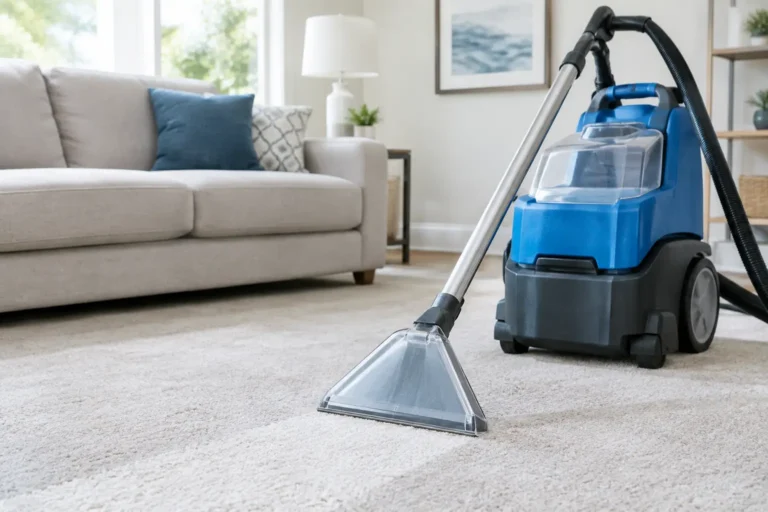
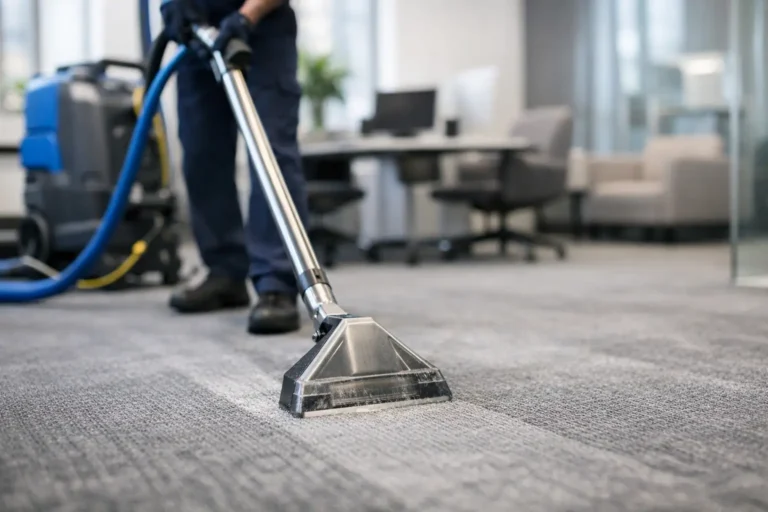
Hot water extraction, often called steam cleaning, is widely considered one of the best carpet cleaning methods for a reason. It goes beyond the surface by flushing out embedded soil, allergens, and residues from deep within the carpet pile.
Despite the name, it is not just steam. The process usually involves applying a cleaning solution, agitating if needed, then rinsing and extracting with hot water and strong vacuum power. When done correctly with professional equipment, it removes far more soil than rental machines or basic household tools.
For many homes and commercial spaces, this method gives the most complete clean. It is especially effective for traffic lanes, general dinginess, food spills, pet contamination, and carpets that have not been professionally cleaned in a while.
The trade-off is drying time. Even with strong extraction, carpets need time to dry fully. That is where equipment and technique matter. A truck-mounted system with proper suction can remove much more moisture than a small portable machine, which helps carpets dry faster and reduces the risk of residue or musty smell.
When hot water extraction makes the most sense
This method is usually the right fit when the carpet looks dull overall, has heavy use patterns, or needs a true restorative clean. It also makes sense when indoor health is part of the goal, since deeper extraction can remove more trapped particles than surface methods.
For many West Hawaii properties, this matters because fine outdoor soil can get tracked in daily. Even when it does not look dramatic at first, that grit settles into the carpet and acts like an abrasive over time.
Low-moisture cleaning has its place
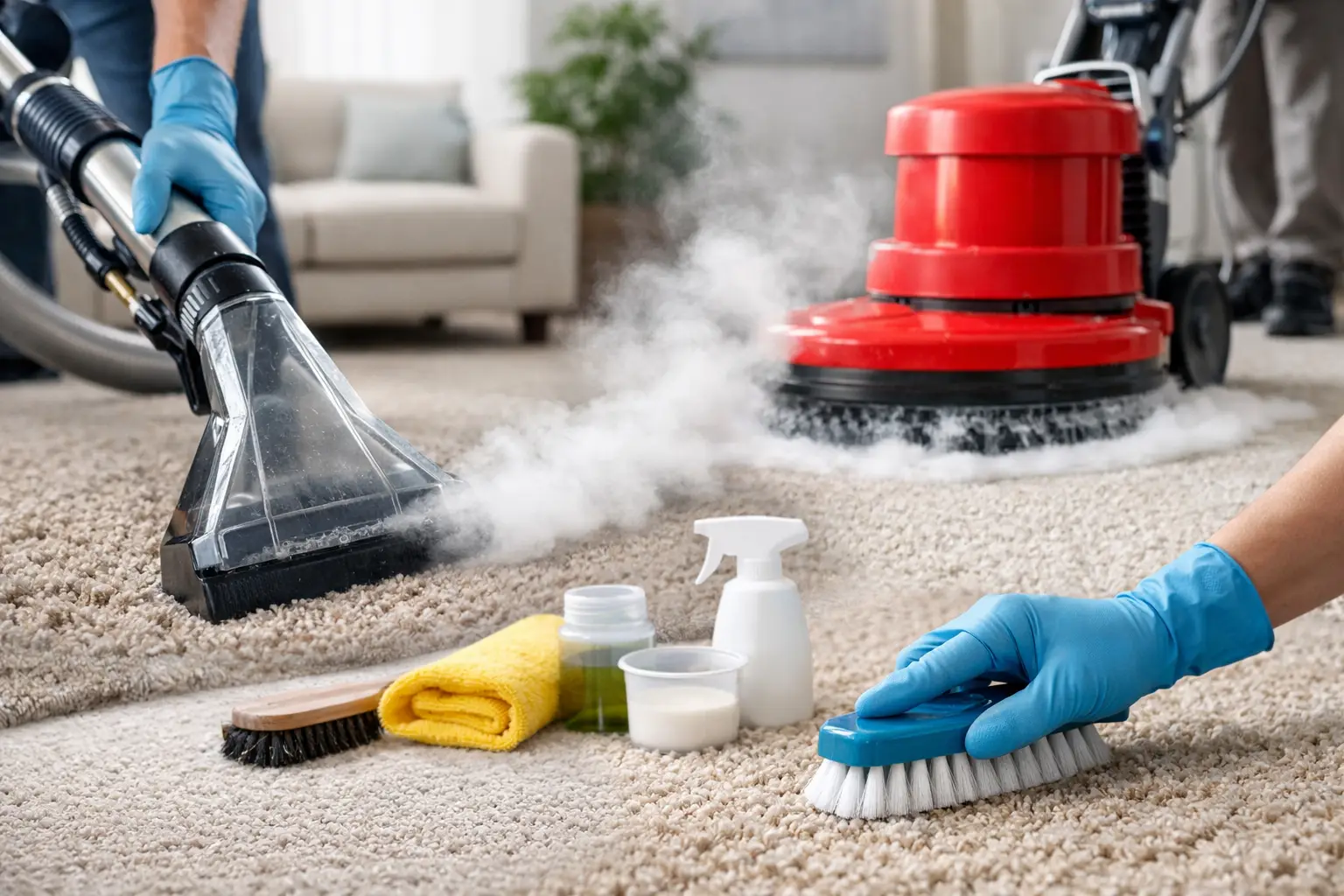
Low-moisture carpet cleaning methods use less water and are often chosen when fast dry times are the priority. This can include encapsulation, bonnet cleaning, or other specialty systems designed for maintenance cleaning.
These methods can work well in offices, commercial spaces, and properties that need to get back into service quickly. They are especially useful when the carpet is moderately soiled rather than deeply saturated with grime.
The benefit is convenience. Dry times are shorter, and disruption is minimal. The limitation is depth. Low-moisture methods may not remove heavy soil from the base of the fibers as thoroughly as hot water extraction. They are often best viewed as a maintenance option, not always a full reset.
Encapsulation vs. bonnet cleaning
Encapsulation uses cleaning chemistry that surrounds soil particles so they can be removed later through vacuuming. It can improve appearance quickly and help manage routine buildup in commercial settings.
Bonnet cleaning works more from the surface, using a rotating pad to absorb soil from the top layer of carpet. It can brighten traffic areas, but it is generally less effective as a deep-cleaning method. Used too often without periodic extraction, it can leave deeper soils behind.
Shampooing is older and less common for a reason
Traditional carpet shampooing was once standard, but it is not usually the first choice today. While it can produce foam and visible cleaning action, it often leaves more residue in the carpet than newer methods.
That residue can attract soil and make carpets get dirty again faster. If the carpet is not rinsed thoroughly, the short-term improvement may not last long. Shampooing still exists in some settings, but compared with modern extraction and well-managed low-moisture systems, it is usually less desirable.
Spot cleaning is important, but it is not a full method
Many carpet problems start with a single spill. Coffee, wine, grease, pet accidents, and tracked-in mud all need quick attention. Spot cleaning matters, but it works best when done as targeted care, not as a substitute for full carpet cleaning.
The first rule is to blot, not scrub. Scrubbing can spread the stain, distort the fibers, and push the problem deeper into the carpet. The second rule is to use the right product for the stain type. Protein stains, oily stains, and tannin stains do not all respond to the same chemistry.
There is also a point where home spot treatment stops helping. If a stain keeps returning, that usually means material remains deeper in the carpet or pad. If the area feels stiff or sticky after cleaning, residue may be left behind. Those are signs the stain needs professional treatment rather than repeated store-bought products.
DIY machines vs. professional equipment
Many homeowners try rental units or small carpet cleaners first, and that can be understandable for minor issues. But there is a big difference between removing some visible soil and actually rinsing and extracting the carpet well.
Consumer and rental machines often use more water than they can recover. That can leave carpets overly wet and can push soil or detergent deeper into the backing. They also tend to have less heat, less suction, and less consistent performance than professional systems.
Professional cleaning is not only about stronger equipment. It also involves knowing how much moisture to use, what solution fits the fiber, how to treat stains without setting them, and how to clean thoroughly without overwetting. That combination is what protects the carpet while improving the result.
How often carpets should be cleaned
The best method also depends on timing. A carpet cleaned before it becomes heavily impacted will usually come cleaner, dry faster, and last longer.
For many homes, professional cleaning every 12 to 18 months is a reasonable baseline. Homes with pets, children, allergies, or heavy traffic often need it more often. Commercial spaces, vacation rentals, and entry areas may benefit from a more frequent schedule because appearance changes quickly when use is high.
Routine vacuuming also matters more than many people realize. Deep cleaning works best when dry soil is regularly removed before it gets ground into the fibers.
Choosing the right method for your carpet
If your carpet has widespread soiling, strong odors, old stains, or visible traffic lanes, hot water extraction is often the strongest choice. If your main concern is quick turnaround in a moderately soiled commercial setting, a low-moisture method may make more sense. If you are dealing with one fresh spill, careful spot treatment may be all you need for the moment.
The key is not choosing the trendiest method. It is choosing the one that matches the carpet, the level of use, and the result you actually need. A trustworthy cleaning company should explain that clearly, give fair and honest pricing, and recommend the method that serves the carpet best rather than the one that is easiest to sell.
At Jensen’s Cleaning, that restoration mindset matters. The goal is not simply to make carpet look better for a day. It is to clean it deeply, treat it carefully, and help you get more life and better performance from the surfaces you already have.
Clean carpet changes the feel of a room in a way people notice right away. It looks better, smells fresher, and holds up better under daily use. When the method matches the job, you are not just cleaning the surface – you are protecting the investment under your feet.