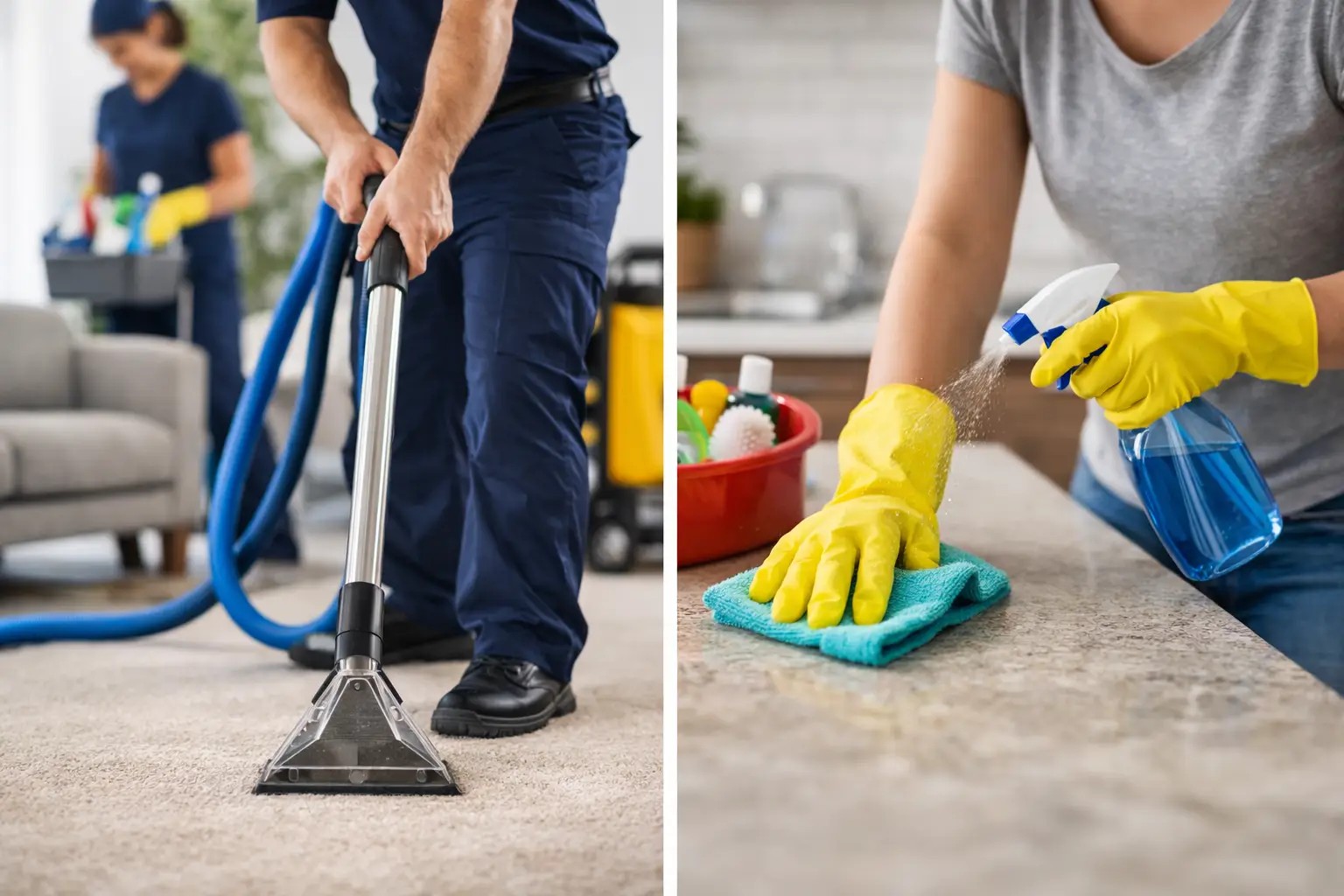
Professional Cleaning vs DIY: What Pays Off?
A rented machine, a spray bottle, and a free Saturday can seem like the obvious answer when carpets look dull or grout starts to darken. But professional cleaning vs DIY is rarely just a question of who can get a surface wet. The real question is whether the method will remove the problem, protect the material, and leave your home or property ready for daily life without creating a bigger repair later.
For West Hawaii homeowners, vacation-property managers, and local businesses, that decision can carry more weight than it does elsewhere. Sand, humidity, red dirt, salt air, pool traffic, pets, and frequent guests all place real demands on floors and furnishings. DIY care has a useful place in routine maintenance. Professional service becomes the better value when soil, staining, moisture, delicate materials, or appearance standards are involved.
Professional Cleaning vs DIY: Start With the Job
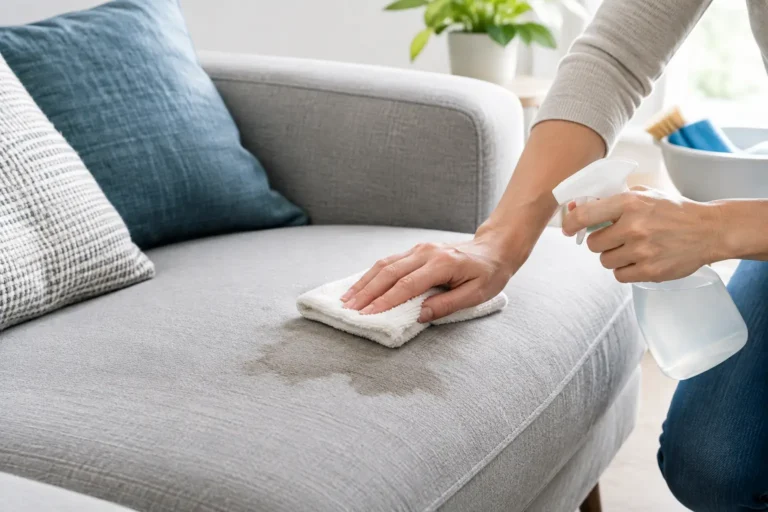
DIY cleaning works best when the job is small, fresh, and low-risk. Blotting a new drink spill from a carpet, wiping tile after a muddy entryway, or vacuuming upholstery before company arrives are sensible steps. Fast attention can prevent a stain from settling and keeps routine dirt from building up.
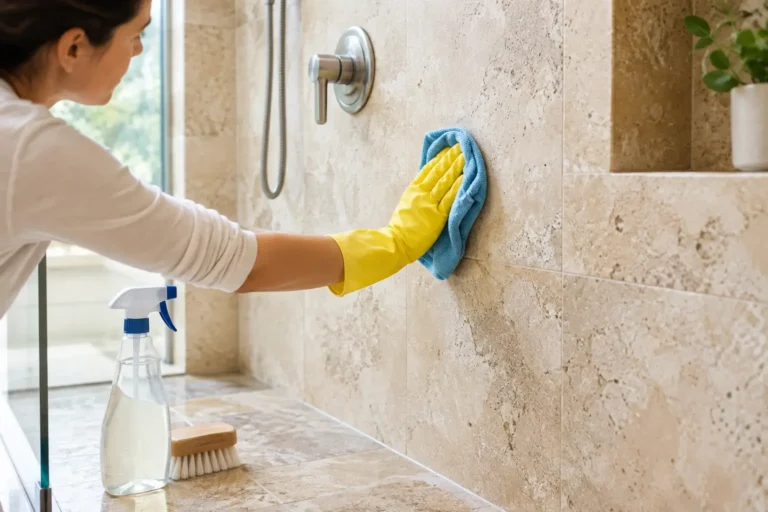
The calculation changes when you are dealing with traffic lanes, pet accidents, old stains, sticky residue, embedded sand, mildew concerns, or an entire room that needs to look consistently clean. These issues often sit below the visible surface. A carpet may appear cleaner after a rental-machine pass while still holding moisture and loosened soil in the backing. Grout can look lighter for a few days, then darken again because the cleaner did not fully remove buildup from the pores.
A professional evaluates the surface before choosing a process. That matters because wool rugs, natural stone, upholstered fabrics, vinyl, ceramic tile, and synthetic carpet do not respond safely to the same product or amount of moisture. The right method is not always the strongest cleaner. It is the one that removes soil while preserving color, texture, finish, and adhesive bonds.
The Limits of Store-Bought Equipment
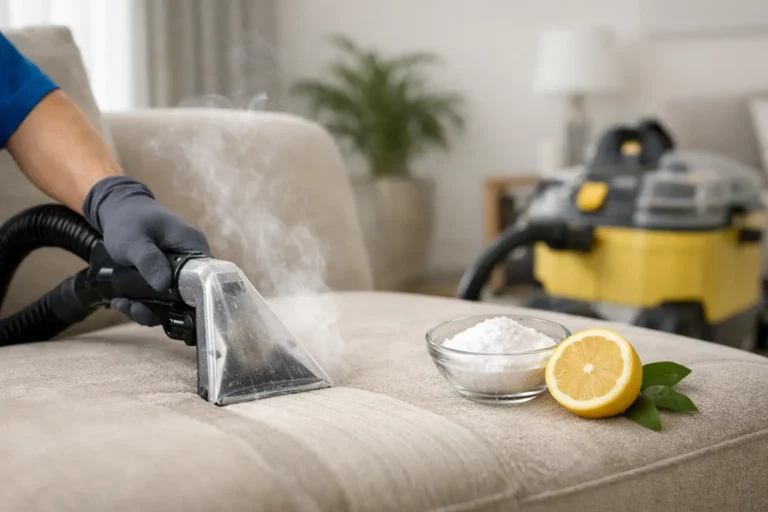
Rental extractors and consumer machines can be helpful for a light touch-up, but their performance has limits. They generally do not have the heat, vacuum strength, water control, or recovery power of truck-mounted equipment. That difference affects how deeply soil is removed and how quickly a surface dries.
Too much water is one of the most common DIY problems. When carpet backing, padding, upholstery cushions, grout lines, or flooring edges remain damp for too long, odors and microbial growth can become concerns. Over-wetting can also lead to wicking, where stains rise back to the surface as materials dry. What looked like a successful cleaning on Saturday can look worse by Monday.
Cleaning products can create a second problem. A product that leaves soap or detergent behind may attract more dirt after the job is done. Strong alkaline or acidic products can etch stone, dull finishes, fade fibers, weaken upholstery fabrics, or damage grout. Mixing products is especially risky. A better result does not come from using more chemicals – it comes from matching the product and process to the material.
Where DIY Cleaning Makes Sense
There is no need to call a professional for every spot or scuff. Consistent home care extends the time between deeper services and helps protect your investment. Vacuuming carpets regularly, using entry mats, wiping spills promptly, dusting upholstery, and cleaning hard floors with a manufacturer-approved product all make a difference.
DIY can also make sense for a small, recent spill when you know what caused it and the material is not delicate. The safest approach is usually to blot rather than scrub, work from the outside of the spill toward the center, and avoid soaking the area. Test any cleaner in an inconspicuous spot first.
For property managers, basic between-turn maintenance is also practical. Quick attention to sand, food spills, and tracked-in dirt helps a vacation rental stay presentable. Still, a quick reset is not the same as a deep cleaning. Guests notice lingering odors, gray carpet lanes, dirty grout, and tired upholstery quickly, especially in a property marketed as clean and well cared for.
When Professional Service Is Worth It
Professional cleaning is often the smarter choice when the consequences of a mistake are expensive. A delicate area rug, a sectional with difficult fabric, natural stone, heavily used vinyl, or tile with stubborn grout buildup can cost far more to replace than to clean correctly.
It is also worth scheduling service when a problem keeps returning. Recurring spots, persistent odors, sticky carpet fibers, mildew, uneven color, and dark grout are signs that the visible surface treatment has not addressed the source. Certified technicians can identify whether the issue is embedded soil, residue, moisture, mineral deposits, organic staining, or wear that needs a restoration-focused approach.
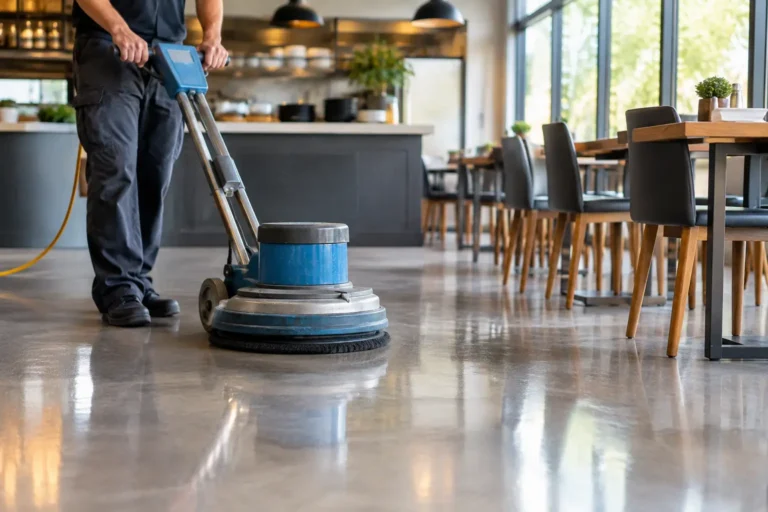
For businesses and hospitality properties, professional results protect more than the surface itself. Clean floors and furnishings support the impression guests, customers, and tenants form in the first few minutes. Regular service can also help reduce premature replacement, making maintenance easier to plan rather than an emergency expense.
Cost: Compare the Full Picture
DIY usually has the lower upfront price. You may pay for a rental machine, solution, stain treatment, protective gear, and your own time. That can be reasonable for a small project with no special risks.
The lower price is less convincing when the job takes most of a day, dries slowly, leaves residue, or needs to be redone. Add the cost of replacing a damaged rug, refinishing stone, repairing a floor edge, or paying for a professional correction, and the savings can disappear. The same is true when a rental property loses a booking or receives a poor review because it does not feel clean.
Professional service costs more at the appointment, but it can offer stronger extraction, appropriate products, trained judgment, and a clearer standard for the final result. Ask for a free estimate and make sure the provider explains what is included. Fair and honest pricing should mean no confusion about the service, the condition of the surface, or any limits on stain removal.
A Better Way to Decide
Before choosing DIY or professional service, consider the material, the cause of the problem, the size of the area, and the cost of being wrong. If the surface is valuable, delicate, heavily soiled, odor-affected, or moisture-sensitive, professional help is usually the safer path. If the spill is recent, the area is small, and the material is familiar, careful DIY treatment may be enough.
Timing matters, too. Calling early is often easier and less expensive than waiting until a spot sets, soil becomes compacted, or moisture creates a larger problem. Regular deep cleaning is not about making a surface look new for one afternoon. It is about helping it stay cleaner, healthier, and more serviceable over time.
At Jensen’s Cleaning, the goal is to renew carpets, rugs, upholstery, tile, grout, stone, and vinyl whenever practical, not rush customers toward replacement. A trusted professional should leave you with clear expectations, careful work, and results you can feel comfortable living or welcoming guests with.
When you are uncertain, protect the surface first. A small amount of patience and the right cleaning method can preserve the comfort, appearance, and value of your home or property for years to come.