Carpet Cleaning Maintenance Guide for Longer Life
A carpet usually tells the truth about a space before anything else does. In a home, it shows where the family really lives. In an office or rental, it reflects how well the property is cared for. That is why a good carpet cleaning maintenance guide matters – not just for appearance, but for protecting your investment, improving indoor cleanliness, and helping carpet last longer.
The biggest mistake people make is waiting until the carpet looks bad. By that point, soil has often settled deep into the fibers, spots have had time to set, and traffic lanes are already wearing unevenly. Routine maintenance costs less than early replacement, and it gives you more control over stains, odors, and overall condition.
What a carpet cleaning maintenance guide should actually cover
A useful carpet cleaning maintenance guide is not just a reminder to vacuum more often. It should help you understand how soil builds up, how different spaces wear differently, and when professional cleaning becomes the smarter choice.
Carpet traps dry soil, oils, allergens, and residue. Some of that is visible, but much of it is not. Fine grit acts like sandpaper under foot traffic, especially in entryways, hallways, and areas around beds, desks, and sofas. In West Hawaii, that wear can happen faster because outdoor dust, red dirt, sand, and moisture get tracked in easily. If you manage a vacation rental or high-traffic commercial space, the maintenance schedule should be tighter than it would be in a low-traffic guest room.
That is the trade-off many owners miss. Cleaning too rarely shortens carpet life. Cleaning carelessly can also cause problems, especially if too much water, harsh spotting products, or rental machines leave residue behind. Good maintenance is regular, targeted, and appropriate for the carpet’s condition.
The daily and weekly habits that make the biggest difference
Vacuuming is still the foundation. For most homes, once or twice a week is enough in general living areas, with more frequent vacuuming in entry zones and rooms with kids or pets. For offices, retail spaces, and vacation properties, daily attention in high-traffic areas may be necessary.
The key is not just frequency, but technique. Slow passes remove more soil than a quick once-over. Using the right height setting matters too. If the vacuum is too low, it can stress the fibers. Too high, and it leaves grit behind. A vacuum with strong suction and a functioning beater bar or brush roll usually performs better on most cut-pile carpets, though delicate rugs and certain loop styles may need gentler treatment.
Entry control helps more than people expect. Walk-off mats at exterior doors reduce the amount of dirt that reaches the carpet in the first place. In homes, a simple shoes-off practice can dramatically reduce wear. In commercial spaces, mats need their own regular cleaning, or they stop helping and start spreading soil.
Spot response is the other habit that saves carpets. The longer a spill sits, the harder it becomes to remove completely. Blotting is better than scrubbing. Scrubbing can spread the spot, distort the fibers, and push material deeper into the backing. Use a clean white towel so you can see what is lifting, and work from the outside of the spot inward.
Water helps with some fresh spills, but not all. Protein stains, oily spots, wine, coffee, and pet accidents all behave differently. Over-the-counter spotters can help in some cases, but using the wrong one can set the stain or bleach the color. If a spot is valuable enough that damage would be costly, caution is better than guesswork.
How often should carpet be professionally cleaned?
This is where maintenance becomes more specific. A lightly used bedroom may do fine with professional cleaning every 12 to 18 months. A busy family room, rental property, or office suite may need service every 6 to 12 months. Homes with pets, allergies, or frequent entertaining often benefit from more frequent deep cleaning.
The right interval depends on traffic, carpet color, fiber type, indoor air quality concerns, and how quickly spills happen. Beige carpet in a busy household will show wear sooner than a darker carpet in a low-use room, but hidden soil can still be present even when the carpet looks acceptable.
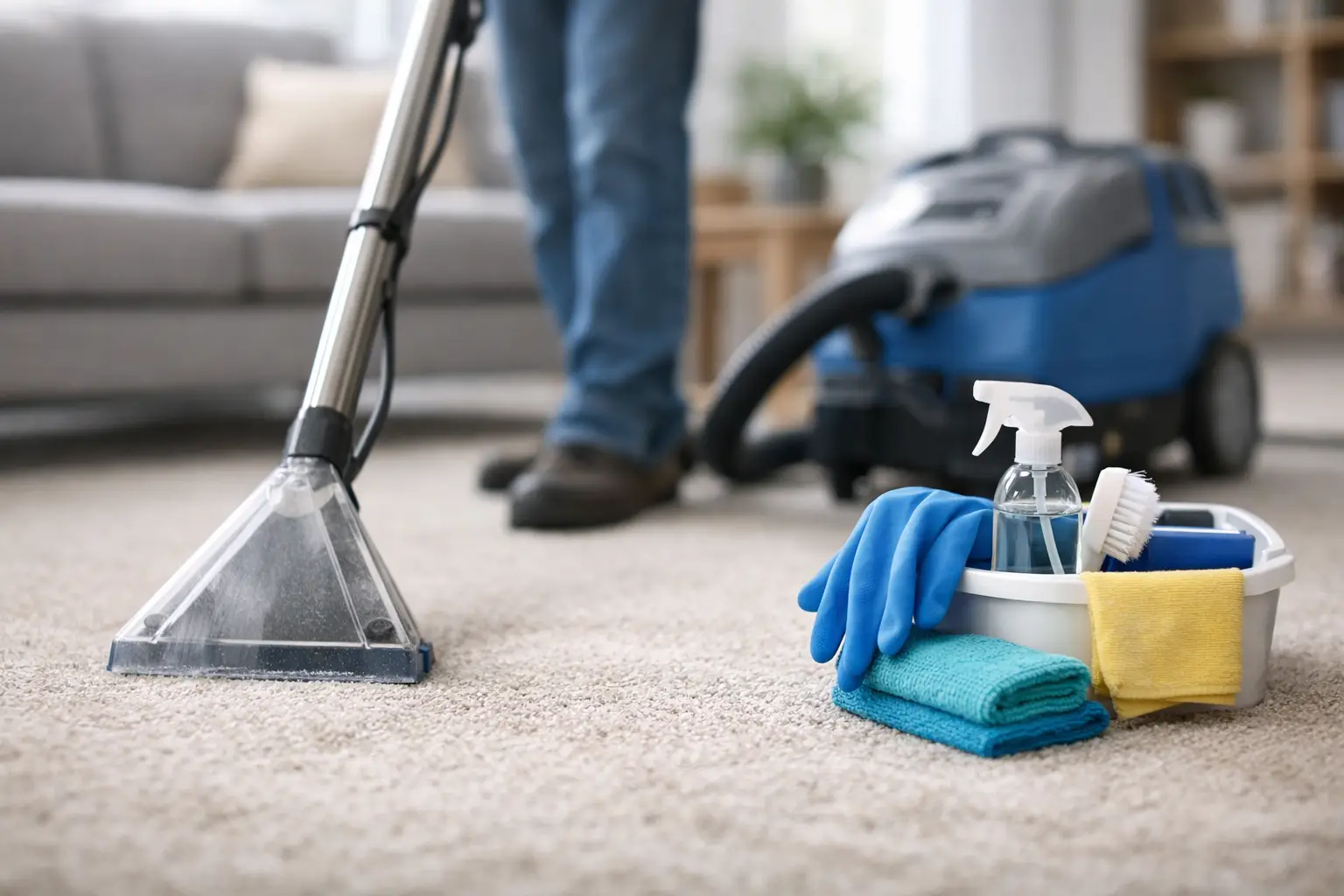
Professional cleaning is not only about appearance. Deep extraction removes embedded soil and residues that household equipment usually cannot reach. Truck-mounted systems, in particular, can deliver stronger suction, better rinsing, and faster recovery of moisture when used correctly. That means less residue left behind and a better chance of restoring the carpet rather than simply brightening the surface for a few weeks.
Carpet cleaning maintenance guide for problem areas
Some parts of the carpet need a different strategy. Entryways collect gritty soil. Hallways show lane traffic. Dining areas deal with food oils and drink spills. Around desks and rolling chairs, carpet can flatten and darken from repeated friction.
These areas often need interim attention between full cleanings. That may mean more frequent vacuuming, prompt spot treatment, and periodic professional touch-up cleaning before the entire room reaches a poor condition level. Waiting for the whole carpet to look dirty usually means the heaviest traffic areas are already overdue.
Pet areas deserve special attention. Hair and dander can work down into the fibers, and accident spots often affect both the face fibers and the backing beneath. If odor remains after surface cleaning, the issue may be deeper than a store-bought product can handle. The same is true for recurring spots that seem to disappear, then return. In many cases, residue or contamination below the surface is pulling the stain back up.
What to avoid if you want carpet to last
The most common maintenance mistakes are easy to make. One is over-wetting the carpet with a rental machine or spot cleaner. Too much moisture can take a long time to dry, attract more soil if detergent remains, and in some settings create odor or mildew concerns.
Another is using too much cleaning product. More soap does not mean a cleaner carpet. It often means more sticky residue, which causes rapid resoiling. This is one reason professionally cleaned carpet often stays cleaner longer when the process includes proper extraction and rinsing.
Furniture dents and traffic crushing are also worth watching. Some compression can be improved with grooming or professional cleaning, but permanent wear is different from soil. Cleaning can restore a lot, but not every dark traffic lane is purely dirt. Sometimes it is fiber damage from use over time. Honest maintenance means understanding that cleaning preserves carpet best when it starts before wear becomes irreversible.
When restoration makes more sense than replacement
Not every worn-looking carpet needs to be replaced right away. In many cases, deep professional cleaning can improve color, reduce odor, lift heavy soil, and make a room feel dramatically fresher. That is especially valuable in homes being prepared for guests, rentals between occupants, or businesses trying to maintain a clean presentation without unnecessary replacement costs.
Still, it depends on condition. If the backing is failing, seams are separating, or the fibers are badly worn down, cleaning has limits. A trustworthy cleaner should be clear about those limits. The goal is not to oversell a service, but to help you get the most life and value from the carpet you have.
For that reason, many property owners work best with a maintenance plan instead of one-time emergency calls. Scheduled service helps prevent buildup, supports a cleaner indoor environment, and usually delivers better long-term results than waiting for visible trouble.
Building a simple maintenance plan that works
For most properties, a workable plan is straightforward. Vacuum on a set schedule, use door mats, address spills right away, and arrange professional cleaning before traffic lanes and spots become severe. Keep records if you manage multiple units or commercial spaces. Patterns become easier to spot when you know how long it has been since the last service.
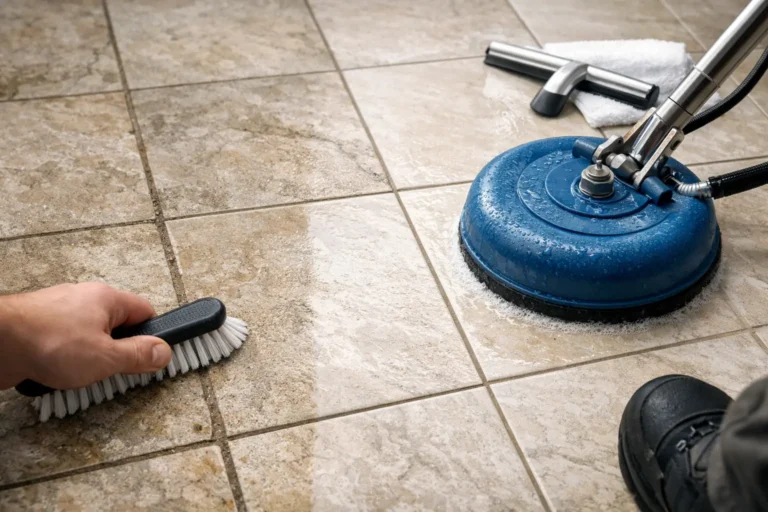
If your property includes area rugs, upholstery, tile, or stone alongside carpet, think about the whole environment. Soil moves from one surface to another. A cleaner floor overall supports cleaner carpet too. That is part of the restoration mindset companies like Jensen’s Cleaning bring to the job – not just removing visible dirt, but helping surfaces stay attractive and serviceable for longer.
A clean carpet changes how a room feels underfoot, how it smells, and how confidently you welcome people in. If you treat maintenance as routine care instead of a last-minute fix, your carpet usually returns the favor with a longer life and a better-looking space every day.