How to Remove Spill Stains From Carpet Safely
A spilled drink can turn into a stubborn carpet stain faster than most people expect, especially in a busy home, vacation rental, or office. Knowing how to remove spill stains from carpet starts with one rule: act quickly, but do not panic-clean. Rubbing hard, soaking the area, or reaching for the wrong product can push the spill deeper into the fibers and leave a bigger problem behind.
The right response depends on what spilled, how long it has been there, and the type of carpet you have. These practical steps can help protect your carpet’s appearance while reducing the chance of lingering odors, discoloration, or sticky residue.
The first five minutes matter most
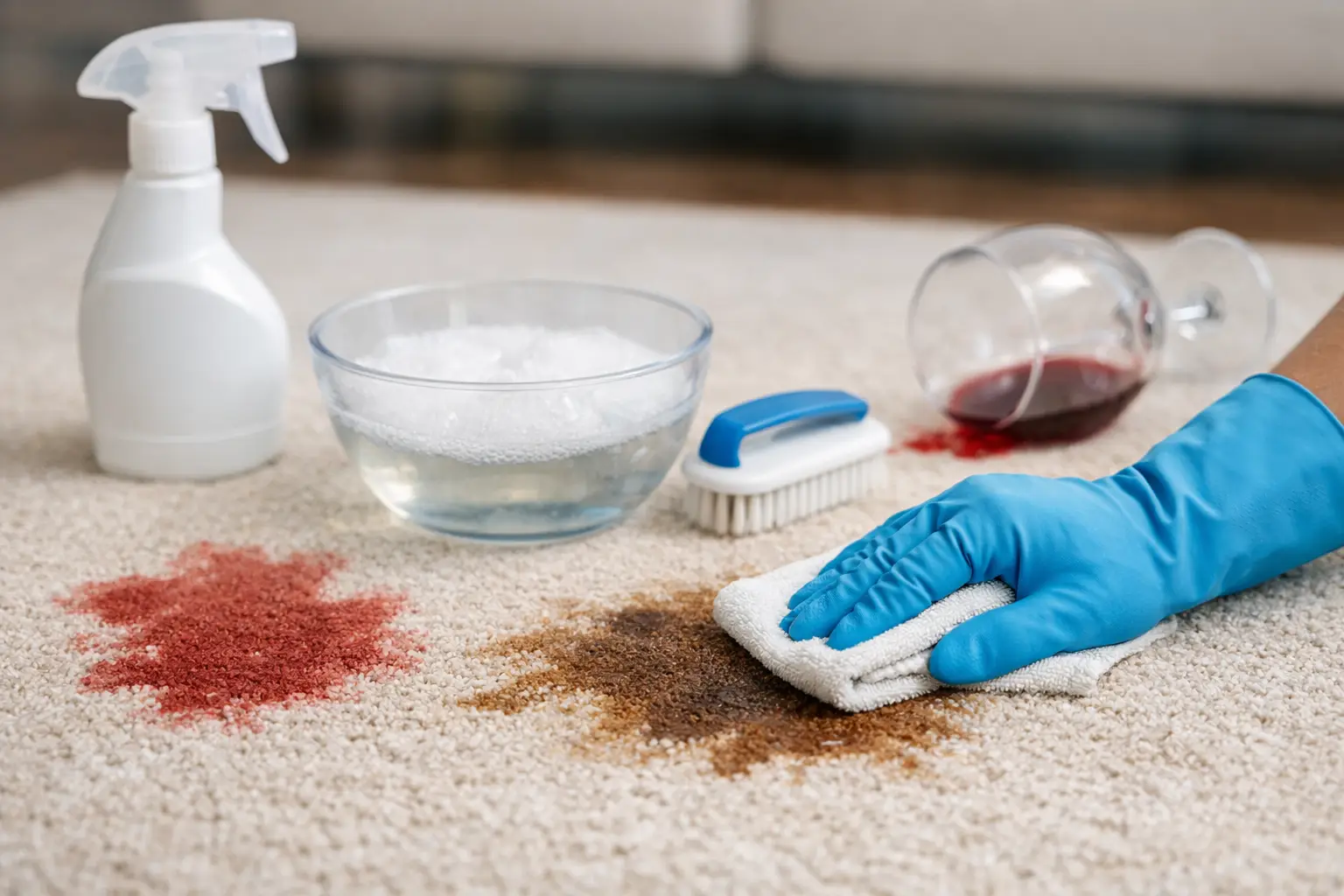
When a spill happens, grab clean white towels or paper towels and blot the area immediately. Press down firmly to absorb liquid, then switch to a dry section of the towel and repeat. Work from the outside edge of the spill toward the center so the stain does not spread.
Avoid scrubbing. Scrubbing can fray carpet fibers, spread color or grease, and force the spill into the backing and padding below. That is where odors and old stains often begin. If the spill has solids, such as food or mud, gently lift them with a spoon or dull edge before you start blotting.
Use white towels whenever possible. Printed towels and colored cloths can transfer dye onto light carpet, creating an additional stain that is harder to correct.
How to remove spill stains from carpet without causing damage
Once you have absorbed as much of the spill as possible, use a small amount of cleaning solution that matches the type of stain. Before treating the visible area, test any product in a hidden spot, such as inside a closet or beneath furniture. Carpets vary widely in fiber type, dye stability, and construction. A solution that works well on one carpet may fade or damage another.
For many fresh, water-based spills, begin with a mild mixture of a few drops of clear dish soap in a cup of lukewarm water. Do not use hot water, which can set certain stains or damage delicate fibers. Lightly dampen a white cloth with the solution, then blot the stain. Do not pour the mixture directly onto the carpet.
Follow with a second cloth lightly dampened with plain water to remove soap residue. Then blot the area dry with clean towels. Leaving soap behind can attract dirt and cause that spot to look dull or dirty again after foot traffic.
The goal is controlled moisture, not saturation. Carpet that becomes too wet may take a long time to dry in Hawaii’s humid conditions, increasing the risk of odor, browning, or mildew beneath the surface.
Treat the spill based on what it is
Different spills call for different approaches. Trying one strong cleaner on everything is rarely the best answer.
Coffee, tea, juice, and soda
After blotting, use the mild dish soap solution described above. Coffee, tea, and dark juices contain tannins that can leave a yellow, brown, or reddish shadow as they dry. If the stain remains after gentle cleaning, use a carpet-safe spot treatment made for tannin stains and follow its directions carefully.
Soda often leaves behind sugar or syrup even when the color seems gone. Rinsing and blotting are especially important here. A clear-looking spot can become a dirt magnet if residue remains in the fibers.
Wine and colored drinks
Blot up as much liquid as possible right away. Use cool water and a small amount of mild detergent first, working patiently with repeated blotting rather than aggressive rubbing. Red wine, fruit punch, sports drinks, and brightly colored cocktails may require professional treatment if color remains.
Avoid using bleach or improvised high-strength mixtures. These may lighten the stain, but they can also remove carpet dye permanently and leave a noticeably pale area.
Grease, oil, butter, and makeup
Greasy spills need a different approach because water alone will not break them down. First, lift excess material without spreading it. Then apply a small amount of carpet-safe dry solvent or a cleaner specifically labeled for oil and grease. Test it first, use it sparingly, and blot rather than rub.
Grease stains can seem to disappear when wet and reappear after drying. If that happens, the oil is still in the fibers or backing. Repeated home treatment may make the area overly wet without removing the source, so it is often better to have it professionally cleaned.
Pet accidents, milk, and other odor-causing spills
For urine, milk, vomit, or food spills, surface cleaning is only part of the job. The liquid can reach the carpet backing and pad, where bacteria and odor can remain even after the visible stain fades.
Blot thoroughly, then use an appropriate enzyme-based carpet product if the carpet manufacturer allows it. Enzyme products need enough contact time to work, so follow the label rather than immediately rinsing them away. If an odor returns when the room is warm or humid, the contamination may be below the carpet surface and need deeper extraction.
What not to do after a carpet spill
A few common shortcuts often make a spill harder to remove. Do not scrub with a brush, use colored towels, or drench the carpet with water. Do not combine cleaning products, particularly ammonia, bleach, and peroxide-based products. Mixing chemicals can create unsafe fumes and may damage carpet fibers.
Be cautious with vinegar as well. While it is often suggested as a household remedy, it is not a universal carpet cleaner. It may not remove oily residue, may react poorly with some products, and can leave a strong odor if overused. Wool, silk, and other natural-fiber rugs require even more care because household solutions can cause color bleeding, shrinkage, or texture changes.
Do not cover the area with furniture until it is fully dry. Allow air circulation, use fans if needed, and keep people and pets off the spot as much as possible. A carpet that dries slowly is more likely to develop an odor or a brownish ring around the cleaned area.
When a spill needs professional carpet cleaning
Home spot cleaning is useful for small, fresh spills. However, some situations call for professional help sooner rather than later. This includes large spills, stains that have dried, recurring pet odors, wine or ink stains, grease, water damage, and spills on wool, silk, or specialty rugs.
Property managers and vacation rental owners should also consider the speed of professional cleaning after a significant spill. A stain left between guest turnovers can become a permanent appearance issue, while lingering odors can affect reviews and guest comfort. In commercial spaces, a stained entryway, office, or waiting area can quickly give visitors the wrong impression.
Professional extraction equipment removes more moisture and residue than household methods. The right cleaning professional will assess the carpet fiber, stain type, age of the spill, and condition of the backing before selecting a treatment. That restoration-focused approach protects the carpet whenever possible instead of treating replacement as the first option.
A clean carpet is easier to keep clean
Spot treatment works best when carpet is already maintained. Soil, oils, and old cleaning residue make new spills cling more aggressively to fibers. Routine professional cleaning helps remove that buildup and can make future spot care more effective.
For homes and businesses across West Hawaii, Jensen’s Cleaning provides professional carpet cleaning with the care, equipment, and honest guidance needed for both routine maintenance and urgent stain problems. If a spill will not lift, smells worse after drying, or has reached more than the carpet surface, getting help early can protect both the carpet and the space it serves.
A calm response, gentle blotting, and the right amount of moisture can save many carpets. When the stain is beyond a simple spot clean, prompt professional attention gives you the best chance of restoring the fibers before the spill becomes permanent.