When Floor Restoration Can Save Your Floors
A floor can look worn out long before it is actually worn out. In West Hawaii, tracked-in red dirt, sand, humidity, pool traffic, pet accidents, and everyday spills can leave tile, grout, vinyl, carpet, and rugs looking permanently stained. Professional floor restoration focuses on removing the buildup that hides the surface beneath, helping you get more life and better appearance from the flooring you already own.
That distinction matters. Replacing a floor is disruptive and expensive, especially in a busy home, vacation rental, restaurant, office, or commercial property. Cleaning cannot repair every type of damage, but the right restoration-oriented service can often improve a floor far more than routine mopping, rental equipment, or store-bought products ever will.
What Floor Restoration Really Means
Floor restoration is not simply making a floor look cleaner for a day or two. It is a targeted process that addresses the soil, residue, staining, discoloration, and embedded contaminants affecting a surface. The method changes based on the material because tile, natural stone, vinyl, carpet, and area rugs all respond differently to water, cleaning solutions, agitation, and drying.
For tile and grout, restoration often means breaking down the oils, soap residue, mineral deposits, and ground-in dirt that have settled into porous grout lines. For vinyl, it may involve safely removing dulling film and stubborn soil without damaging the finish. Carpet and rugs need deep extraction that reaches below the visible fibers, where dry soil, allergens, spills, and odors can collect.
The goal is practical: restore a cleaner, more even appearance while treating the material with care. A professional should never use a one-size-fits-all approach. The same aggressive product that might be appropriate for one durable surface could discolor, etch, or weaken another.
Signs Your Floor May Be Restorable
Many property owners assume replacement is the only answer once their floor loses its original color or sheen. Before making that investment, look closely at what is causing the problem. Surface buildup can make even quality flooring appear older than it is.
Grout that has turned dark or uneven may be holding years of soil rather than suffering permanent discoloration. Vinyl that appears cloudy can sometimes be affected by product residue, cleaning chemicals, or embedded grime. Carpet traffic lanes may look crushed and gray because of dry particulate soil and oils transferred from shoes, not because the carpet has reached the end of its useful life.
A professional evaluation is particularly worthwhile when the floor has any of these conditions:
- Noticeable dark paths in carpeted hallways, entries, or living areas
- Grout lines that remain dark after normal mopping
- Sticky, dull, or streaky vinyl flooring
- Persistent odors after spills, pets, or moisture exposure
- Area rugs that look flat, faded, or dusty despite vacuuming
- Tile that seems clean when wet but dries with a hazy film
Some issues are not fully reversible. Deep scratches, cracked tile, water-damaged subflooring, severe pet damage, loose flooring, and permanent chemical burns may require repair or replacement. Honest floor restoration means being clear about those limits rather than promising a result the material cannot deliver.
Why Regular Cleaning Often Falls Short
Routine maintenance is still necessary, but it has a different job. Vacuuming removes loose carpet soil. Sweeping removes grit that can scratch hard surfaces. Mopping handles light surface dirt. These steps protect your floors between professional visits, but they rarely remove what has settled into fibers, grout pores, textured tile, or the microscopic surface of vinyl.
In fact, common cleaning habits can make the problem worse. Too much mop water can spread dirty water into grout lines. Overusing soap-based products may leave behind a film that attracts more dirt. Harsh cleaners can damage natural stone or strip the appearance from certain resilient floors. Rental carpet machines often lack the heat, extraction power, and drying performance needed for heavily soiled carpet.
West Hawaii properties face a few added challenges. Open doors and windows, ocean air, volcanic dust, sandy feet, and high guest turnover can put more soil into a floor than owners realize. Vacation rentals and hospitality spaces also have little room for a floor that looks merely acceptable. A clean-looking floor affects how guests judge the rest of the property.
The Right Method Depends on the Surface
Tile and Grout
Tile is durable, but grout is often the weak point visually. Because grout is porous, it absorbs soil, grease, residue, and moisture. A light mop can clean the tile face while leaving the grout darker every month.
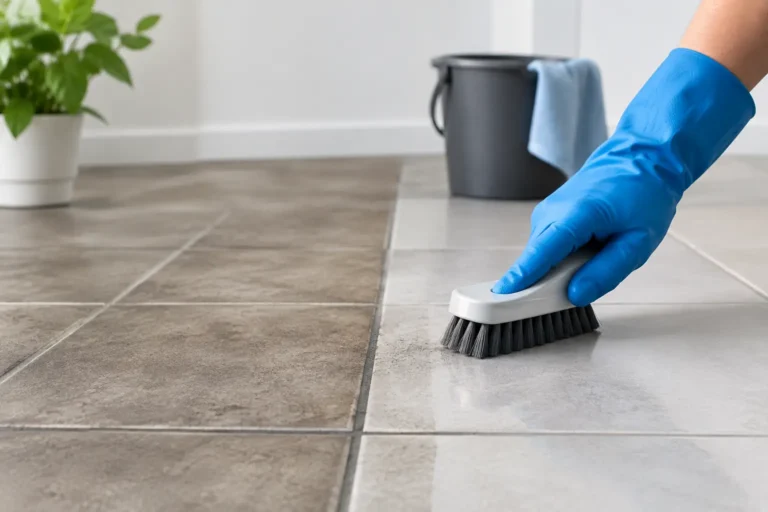
Professional tile and grout cleaning uses appropriate solutions, agitation, and extraction to lift soil from the grout rather than just moving it around. The result can make the whole room feel brighter, even when the tile itself has not changed. In kitchens, showers, entryways, and pool-adjacent spaces, this work can also help address the buildup that contributes to unpleasant odors and an unclean appearance.
Natural stone needs more caution. Marble, travertine, limestone, and similar materials can react poorly to acidic or overly aggressive products. Restoration may involve specialized cleaning and care, but the process should be chosen only after identifying the stone and its condition.
Vinyl and Resilient Flooring
Vinyl flooring is popular because it is practical, water-resistant, and relatively easy to maintain. Still, it can become dull from traffic, residue, scuff marks, and improper cleaning products. Abrasive pads and harsh chemicals can cause more harm than good.
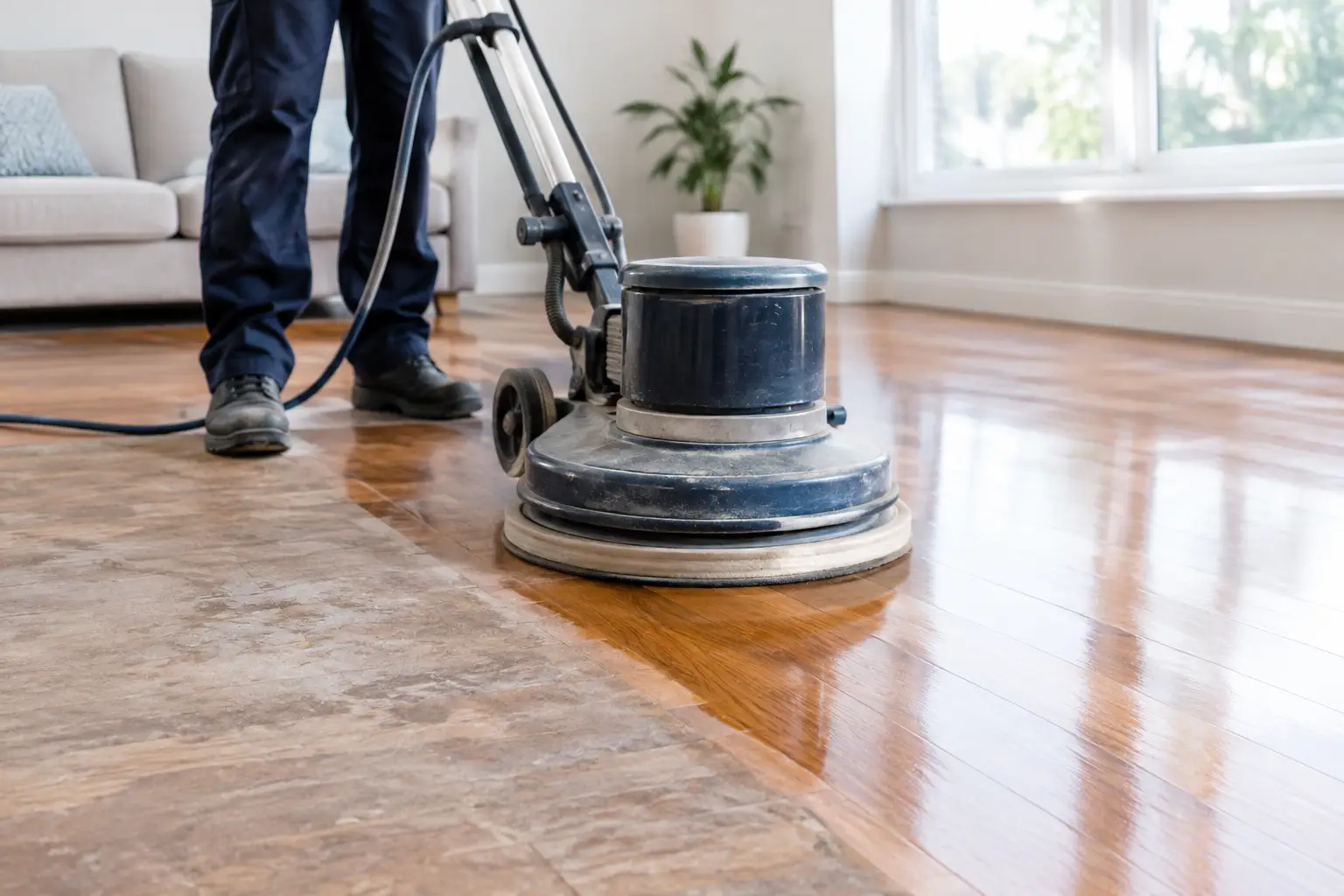
A professional cleaning process is designed to remove buildup while respecting the floor’s finish. Whether full restoration is possible depends on the type of vinyl, its age, the condition of the wear layer, and whether discoloration is surface-level or permanent. When the floor is structurally sound, a careful deep clean can often improve its color and overall presentation significantly.
Carpet and Area Rugs
Carpet can hold far more than visible dirt. Fine grit works down into the pile, where it can abrade fibers over time. Oils, food spills, pet accidents, and humidity-related odors add another layer of concern. This is why a carpet that has been vacuumed regularly may still need professional attention.
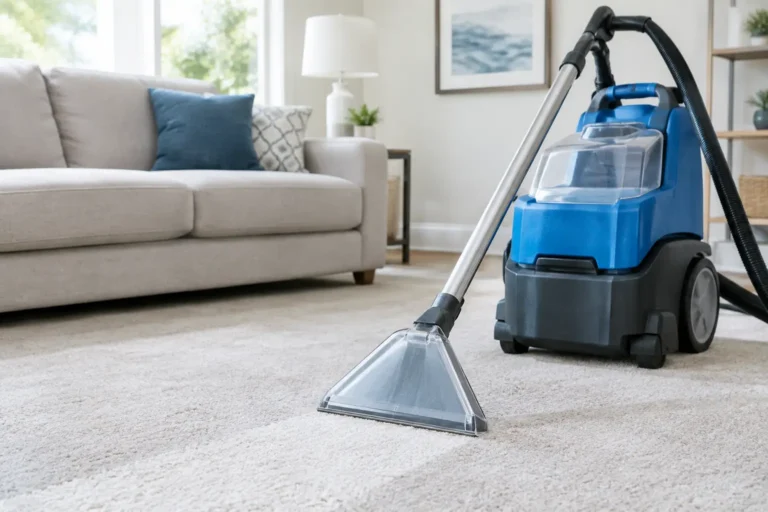
Truck-mounted extraction equipment can provide the heat, rinse, and suction needed to remove deeply embedded soil while helping carpet dry properly. Rug cleaning requires a more tailored approach because fiber type, dyes, backing, construction, fringe, and prior damage all matter. Delicate or valuable rugs should be assessed before any cleaning method is selected.
Restoration Supports Appearance and Indoor Health
The visible improvement is usually what people notice first. Floors look more even, colors appear clearer, and rooms feel better maintained. But restoration also supports a healthier indoor environment by removing dust, soil, allergens, and residue that ordinary cleaning leaves behind.
For homes with children, pets, allergies, or frequent visitors, that deeper level of cleaning can make a meaningful difference. For commercial spaces and vacation rentals, it helps protect the standard of cleanliness customers and guests expect. A well-maintained floor also reduces the temptation to cover a problem with fragrance-heavy products that do not address the source.
There is a financial benefit as well. Dirt is abrasive. When it stays in carpet fibers or gets dragged across hard flooring, it contributes to gradual wear. Regular professional care cannot make a floor indestructible, but it can help preserve its condition and delay unnecessary replacement.
When to Schedule Professional Floor Restoration
There is no single schedule that works for every property. A quiet household may need deep floor cleaning less often than a large family with pets. A vacation rental in Kailua-Kona with frequent guest turnover may benefit from a more regular plan. Restaurants, offices, and retail spaces with steady foot traffic often need service before soil becomes visible enough to affect their reputation.
As a general rule, schedule service when your normal cleaning routine stops producing the result you expect. Do not wait until discoloration, odor, or buildup becomes severe. Earlier intervention is usually easier on the material and gives a professional the best chance of achieving strong results.
At Jensen’s Cleaning, the approach begins with the surface in front of us, not a preset sales pitch. Certified, insured care, professional-grade equipment, fair and honest pricing, and a satisfaction guarantee matter because your floors are part of your home or business investment.
If a floor has been disappointing you for months, start with an honest assessment before planning replacement. The right cleaning and restoration method may reveal a surface that still has plenty of life left – and give your space the clean, cared-for feeling it deserves.