How to Refresh Traffic Lane Carpet
Those dark, flattened paths in front of the sofa, down the hallway, or beside the bed do not usually mean your carpet is ruined. If you are wondering how to refresh traffic lane carpet, the real question is whether you are dealing with loose soil, fiber wear, residue buildup, or a mix of all three. The answer matters, because the right fix can noticeably improve appearance, while the wrong one can lock in dinginess or rough up the fibers.
Traffic lanes get dirty faster than the rest of the room for a simple reason. They collect repeated foot traffic, body oils, outdoor grit, and fine dust that settles deep into the pile. In homes, that often shows up in hallways, living room entries, and along the edges of beds. In offices and vacation properties, it tends to appear at doorways, reception areas, and routes between seating and workspaces.
Why traffic lanes look worse than the rest of the carpet
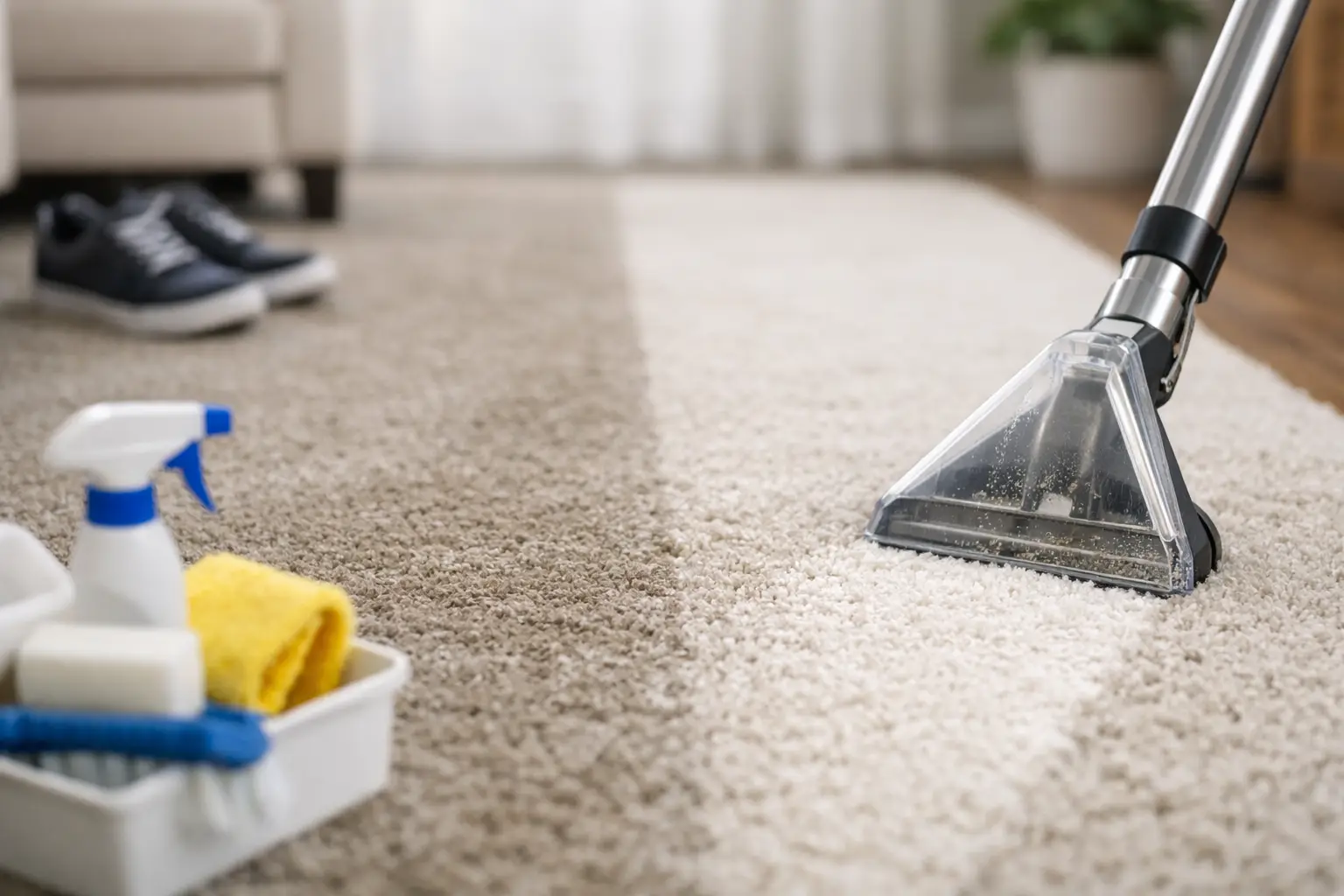
A traffic lane is not always darker just because it is dirty. Dirt is part of it, but compression plays a big role too. Fibers get crushed in the same direction day after day, so they stop reflecting light the same way as the surrounding carpet. That is why a lane can still look dull after a quick vacuum.
There is also the issue of residue. Many spot cleaners and rental machines leave soap behind when they are overused or not rinsed well. That sticky film grabs more soil, which makes the lane reappear quickly. In humid coastal areas, this can be even more frustrating because carpet may stay damp longer if airflow is poor.
The final factor is wear. Once carpet fibers are physically abraded, cleaning can improve the look, but it cannot fully restore fiber that has been worn down. This is one of the biggest it-depends situations with traffic lanes. Some lanes are refreshable. Others are only partially correctable.
How to refresh traffic lane carpet without making it worse
The safest starting point is dry soil removal. Vacuum slowly and make several passes in both directions. A lot of homeowners move too fast here, and that leaves a surprising amount of grit behind. If the carpet is plush or twisted, use a vacuum setting that lifts without aggressively beating the fibers.
After vacuuming, inspect the lane closely. If you see sticky spots, food residue, or tracked-in grime, use a carpet-safe pre-treatment designed for your carpet type. Apply lightly. More product is not better. Let it dwell for several minutes so it can loosen soil, then blot or extract according to the product directions.
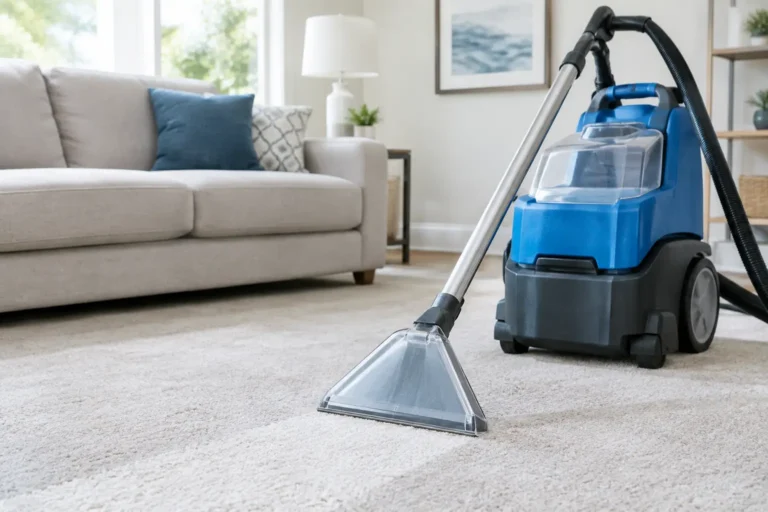
For moderate traffic lane buildup, warm water extraction usually gives the best refresh. That means rinsing the carpet rather than simply wetting the surface. The goal is to flush out soil and residues from the fiber, not just brighten the top. If you use a small home machine, go slowly and make extra dry passes to remove as much moisture as possible.
One mistake to avoid is scrubbing hard with a stiff brush. That can fuzz the carpet and make wear stand out more. If you need agitation, use a soft carpet brush or grooming tool and work gently with the pile, not against it.
Start with the least aggressive method
A good rule is to match the method to the problem. If the lane just looks dull, vacuuming, light pre-treatment, and hot water extraction may be enough. If there is greasy buildup from bare feet, kitchen carryover, or entry grime, you may need stronger chemistry and better rinsing. If the fibers are matted but not heavily soiled, carpet grooming can help lift the pile after cleaning.
This matters because over-cleaning can be almost as damaging as neglect. Too much moisture, too much detergent, or repeated harsh brushing can shorten carpet life.
Drying is part of the refresh
A carpet that dries slowly can develop odor, wick spots back to the surface, or feel crunchy from leftover residue. Improve airflow with fans, air conditioning, and open interior space around the cleaned area. Try to keep foot traffic off the carpet until it is dry.
If the lane is in a business, rental, or busy household where avoiding traffic is difficult, clean during the lowest-use period. That helps the fibers dry evenly and prevents immediate resoiling.
When DIY works and when professional cleaning makes more sense
DIY methods can help if the traffic lane is light to moderate and the carpet is otherwise in fair condition. Routine vacuuming, careful spot treatment, and a quality home extraction machine may improve the appearance enough for regular maintenance.
Professional cleaning becomes the better option when lanes are dark, widespread, or have not responded to repeated home cleaning. The same goes for commercial carpet, rental turnovers, wool rugs, delicate fibers, or situations where odor and residue are part of the problem. Truck-mounted extraction, stronger rinse capability, and professional spotting tools tend to remove more soil with less guesswork.
This is especially true when the lane problem is not just soil. Professionals can often tell whether the issue is wear, filtration soil, sun fading, or a residue pattern from prior cleaning attempts. That saves time and helps set realistic expectations.
How to tell if the carpet is dirty or permanently worn
Here is the test many people miss. After a thorough cleaning and complete drying, look at the lane from different angles in natural light. If it is lighter, cleaner, and less defined, soil was the main issue. If the line remains grayish, rough, or noticeably flatter than the surrounding area, wear is likely part of the problem.
Touch matters too. Dirty carpet often feels sticky or gritty. Worn carpet feels thinner, looser, or harsh even when clean. In some cases, the carpet can be refreshed enough to look much better in the room, even if it is not restored to like-new condition.
That is an honest part of carpet care. Cleaning can remove contamination and improve appearance. It cannot reverse fiber loss.
Preventing traffic lanes from coming right back
Once you refresh the carpet, the next step is slowing the return of those walk paths. Better maintenance usually beats more aggressive cleaning.
Vacuuming frequency should match use. A quiet guest room may need only occasional attention, while a hallway or vacation property entry may need vacuuming several times a week. The more fine grit you remove early, the less abrasion your carpet suffers.
Entry control helps more than most people expect. Door mats, shoe removal policies, and regular sweeping near exterior doors reduce the amount of sand and soil reaching the carpet. In West Hawaii, where outdoor dust, red dirt, and fine debris can travel in easily, this can make a visible difference.
Furniture layout can help as well. If practical, slightly changing a walking route or using area rugs in repeat pathways can spread out wear. Just make sure rugs are cleaned too, or they become another source of soil.
Maintenance habits that preserve appearance
Avoid overusing store-bought foam cleaners. They often give quick visual improvement but can leave behind residue if not rinsed well. Treat spills quickly, blot instead of scrub, and schedule deeper cleaning before the carpet looks obviously bad. Waiting too long usually means more soil packed into the base of the pile, where removal gets harder.
For businesses and managed properties, a regular maintenance plan is often more cost-effective than waiting for visible lanes to become severe. Restorative cleaning tends to work best when carpet has not been neglected for too long.
A realistic approach to restoring high-traffic carpet
If you want the best result, think in terms of improvement rather than perfection. The process of how to refresh traffic lane carpet depends on what caused the lane in the first place. Some areas need a deep rinse. Some need grooming. Some need professional restoration. And some are showing wear that cleaning can improve, but not erase.
That does not mean replacement is the next step. In many homes, offices, and vacation rentals, a well-executed professional cleaning can lift the overall look of the carpet, remove embedded soil, and make the space feel cleaner and better cared for. For customers who want honest guidance instead of a sales pitch, that is where an experienced company like Jensen’s Cleaning brings real value.
A traffic lane does not have to define the whole room. Often, it just needs the right kind of attention before it starts looking like a permanent problem.