How Often Should Carpet Be Cleaned?
A carpet can look fine on the surface and still be holding a surprising amount of soil, dust, oils, and allergens underneath. That is why one of the most common questions we hear is how often should carpet be cleaned – and the honest answer is that it depends on how the space is used, who lives there, and what the carpet is exposed to every day.
For most homes, a professional deep cleaning every 12 months is a solid baseline. But that baseline shifts quickly if you have pets, kids, frequent guests, or a vacation rental with constant turnover. In those settings, waiting a full year is often too long. The carpet may still look acceptable, but the fibers can already be wearing down from grit and buildup.
How often should carpet be cleaned in a typical home?
In an average household with no major staining issues and moderate foot traffic, every 12 months is usually the right schedule for professional carpet cleaning. That timing helps remove the dry soil and oily residue that regular vacuuming cannot fully reach. It also helps the carpet keep its texture and color longer.
If your home is quieter, shoes stay off indoors, and certain rooms are rarely used, you may be able to stretch that to 12 to 18 months in low-traffic areas. Bedrooms and formal spaces often fall into that category. Hallways, living rooms, and family rooms usually do not.
The key point is that carpet does not need to look heavily soiled before it needs attention. By the time traffic lanes appear dark or matted, more wear has already taken place than most people realize.
Homes with pets, kids, or allergies need a shorter schedule
If you have pets, children, or anyone in the home with allergies or asthma, every 6 to 9 months is a better target. In some cases, every 3 to 6 months makes sense, especially when there are multiple pets, accidents, tracked-in dirt, or a lot of daily activity.
Pets bring more than hair. They leave behind dander, body oils, outdoor debris, and sometimes urine residue that can settle deep into the carpet backing and pad. Kids add spills, snack crumbs, and constant movement across the same spots. Even when those messes are cleaned quickly, residue can remain.
For families concerned about indoor air quality, this shorter schedule is not just about appearance. Cleaner carpet can mean fewer trapped irritants in the home. That matters even more in warm, coastal environments where moisture and humidity can make soils and odors harder to ignore.
How often should carpet be cleaned in rentals and vacation properties?
Rental homes and vacation properties often need carpet cleaning more often than owner-occupied homes because the traffic is less predictable and less controlled. Guests may wear shoes indoors, bring in sand, spill drinks, move luggage, or treat the carpet more casually than they would at home.
For a vacation rental, cleaning every 3 to 6 months is common, even if there are no major visible stains. Some high-turnover properties benefit from even more frequent service in the busiest seasons. This is especially true when the goal is to protect reviews, keep odors from building up, and avoid premature replacement.
Property managers know that carpet condition affects more than just cleanliness. It changes how the whole space feels. A fresh carpet helps the property present better, smell better, and hold up better between guests.
Commercial spaces follow a different rhythm
In offices, retail spaces, hospitality settings, and other business environments, the right schedule depends on foot traffic and the kind of soil being tracked in. A small office with limited visitors may do well with professional cleaning every 6 to 12 months. A lobby, waiting room, or customer-facing space may need attention every 1 to 3 months.
The more public the space, the more maintenance matters. Dirt acts like an abrasive in carpet fibers. In commercial settings, that wear shows up fast in traffic lanes and entry areas. Regular cleaning is often more cost-effective than waiting until the carpet looks worn out and then trying to recover it.
This is one place where a restoration mindset matters. Replacing commercial carpet is expensive and disruptive. A consistent maintenance schedule gives businesses a better chance of keeping their flooring presentable for longer.
Signs your carpet should be cleaned sooner
A calendar is helpful, but real-life conditions matter more. If you notice lingering odors, traffic lanes that look dull, recurring spots that reappear, or carpet that feels sticky or flattened, it is probably time for a professional cleaning even if you are not at the usual interval yet.
Another sign is when vacuuming stops making a visible difference. That often means the soil is no longer sitting near the surface. It has settled deeper into the fibers where household equipment cannot fully remove it.
If you have had a spill involving wine, coffee, pet accidents, grease, or anything that soaks through quickly, it is smart to act sooner rather than later. Waiting can turn a removable issue into a permanent stain or odor problem.
Vacuuming matters, but it is not the same as deep cleaning
Routine vacuuming is still one of the best ways to protect carpet between professional cleanings. In high-traffic areas, vacuuming two or three times a week can make a real difference. Lower-traffic rooms may only need it weekly.
But vacuuming has limits. It mainly removes loose dry soil near the surface. It does not fully remove sticky residue, embedded grit, oils, or contaminants that bond to the fibers over time. That is where professional equipment and the right cleaning methods matter.
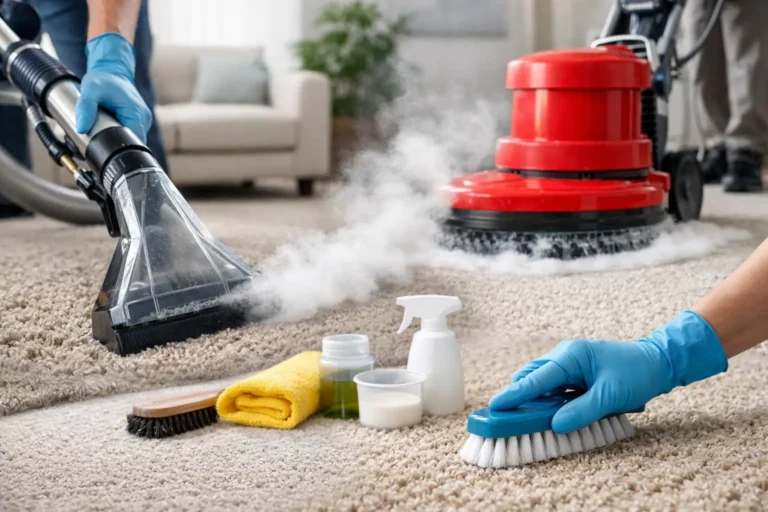
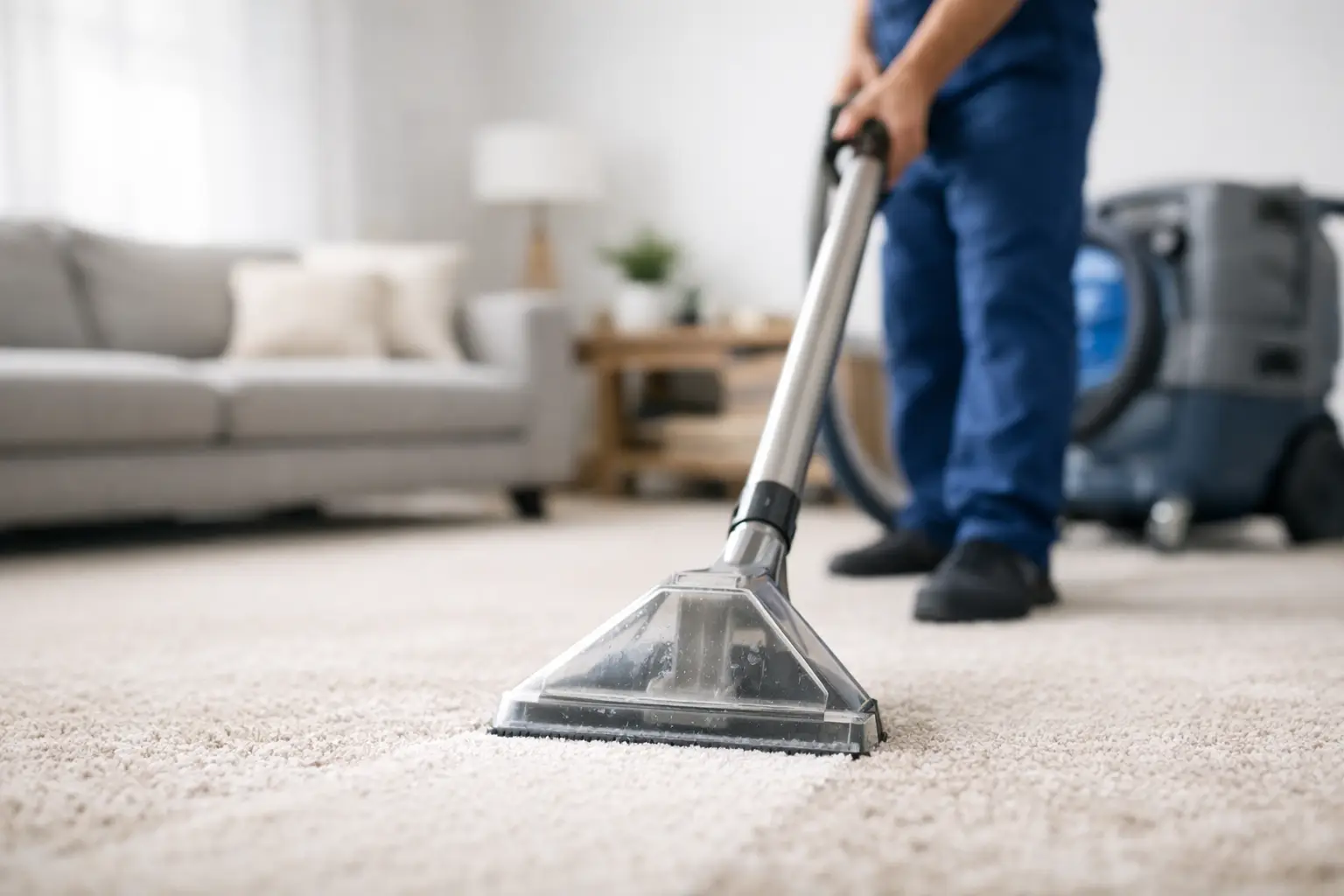
Truck-mounted extraction, proper pre-treatment, and attention to fiber type all affect the result. The goal is not just to make carpet look better for a few days. The goal is to remove what is trapped in it without leaving behind damaging residue or over-wetting the material.
Why waiting too long costs more
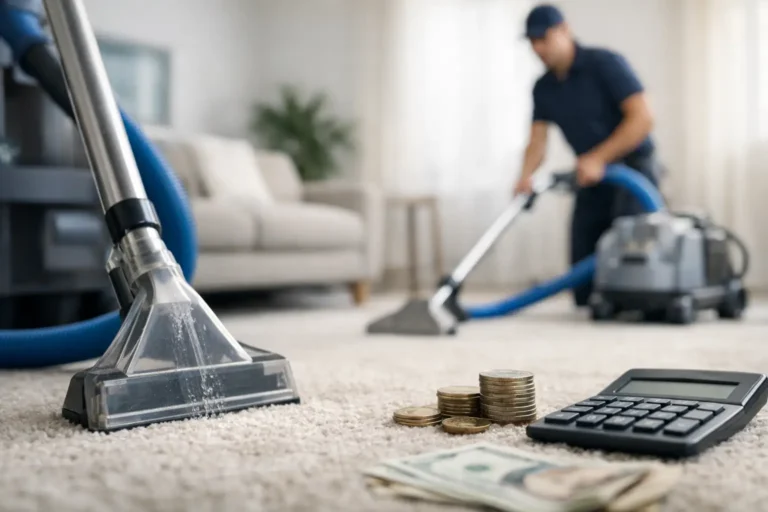
One of the biggest misconceptions about carpet care is that less frequent cleaning saves money. Sometimes the opposite is true. When soil stays in the carpet too long, it grinds against the fibers every time someone walks across it. That leads to matting, dullness, and wear that no cleaning can fully reverse.
There is also a difference between cleaning and restoration. Professional cleaning can remove a lot of buildup and improve appearance dramatically, but it cannot rebuild carpet fibers that have already been damaged. A regular schedule gives you a much better chance of keeping carpet in serviceable condition for years longer.
That matters for homeowners trying to protect an investment, and it matters even more for businesses and property managers responsible for multiple spaces.
The best cleaning frequency depends on your goals
If your main goal is appearance, you may be comfortable cleaning on the longer end of the range. If your priorities include indoor health, odor control, stain prevention, and extending carpet life, more frequent cleaning usually makes sense.
A practical guide looks like this: every 12 months for most homes, every 6 to 9 months for homes with pets or children, every 3 to 6 months for vacation rentals or high-use households, and more frequently for busy commercial areas. Those are not hard rules, but they are strong starting points.
In West Hawaii, local conditions can also play a role. Sand, red dirt, humidity, and open-door living all add wear faster than many people expect. That is one reason homeowners and property managers in places like Kailua-Kona often benefit from a more proactive schedule rather than waiting for obvious buildup.
A trustworthy cleaning company should be willing to give you an honest recommendation based on traffic, fiber type, and condition – not simply suggest the most frequent service possible. That kind of guidance helps you clean often enough to protect the carpet, without paying for visits you do not need.
Jensen’s Cleaning has built its reputation by taking that practical approach: fair recommendations, professional equipment, and results that focus on restoring surfaces instead of pushing early replacement.
If you are unsure where your carpet falls on the schedule, a good rule is simple. If you are asking the question, there is a good chance the carpet is due, or close to it. A professional assessment can tell you whether you need immediate cleaning or just a better maintenance plan going forward. Either way, staying ahead of the dirt is usually easier than trying to recover from it later.