Waimea Tile Cleaning That Protects Your Floors
A tile floor can look clean at first glance and still hold months of tracked-in soil, sticky residue, and discoloration in the grout lines. In Waimea, tile cleaning often requires more than a mop and store-bought cleaner, especially in busy homes, vacation rentals, entryways, kitchens, and commercial spaces. The goal is not simply to make the floor look brighter for a day. It is to remove the buildup that dulls the surface, protect the material underneath, and help the floor hold up better over time.
Why Tile and Grout Get Dirty So Quickly
Tile is durable, but it is not maintenance-free. Fine dust, red soil, sand, pet traffic, cooking residue, bath products, and everyday foot traffic settle onto floors constantly. Mopping can remove loose surface dirt, but it may also push soil into grout lines or leave behind a film when too much cleaning product is used.
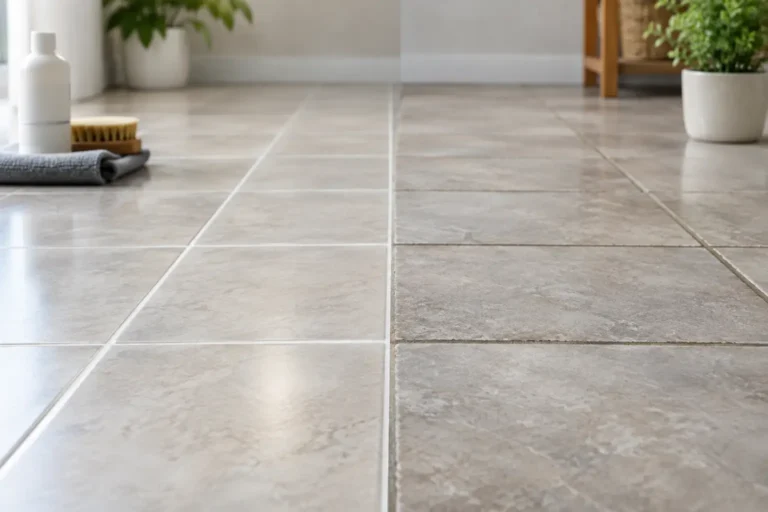
Grout is usually the first place that shows the problem. Its porous texture holds onto moisture and soil more readily than the tile around it. Light-colored grout can turn gray, brown, or uneven-looking even when the tile surface still appears fairly clean. In showers and damp areas, mildew staining and mineral buildup can add another layer of difficulty.
The right approach depends on the floor. Ceramic and porcelain tile are generally durable, but natural stone, textured tile, and older grout need more careful treatment. Using the wrong acidic cleaner, abrasive scrubber, or harsh chemical can etch certain stone surfaces, weaken grout, or leave a residue that attracts more dirt.
The Problem With Residue
A floor that feels sticky, hazy, or dull after cleaning may not be dirty in the usual sense. It may be carrying layers of detergent, soap, or improperly rinsed cleaning products. This residue can trap soil and make a freshly mopped floor look worn again quickly.
Professional tile cleaning focuses on breaking up that buildup, thoroughly rinsing it away, and removing the suspended soil instead of spreading it across the room. That difference matters in high-traffic spaces where appearance and cleanliness both affect how the property feels.
What Professional Waimea Tile Cleaning Includes
A professional service should begin with an evaluation of the material, grout condition, traffic patterns, and the type of buildup present. Not every dirty floor needs the same chemistry, pressure, or restoration method. A qualified cleaner looks for issues such as damaged grout, loose tile, existing sealers, hard-water deposits, and sensitive stone before beginning work.
Targeted Pre-Treatment and Agitation
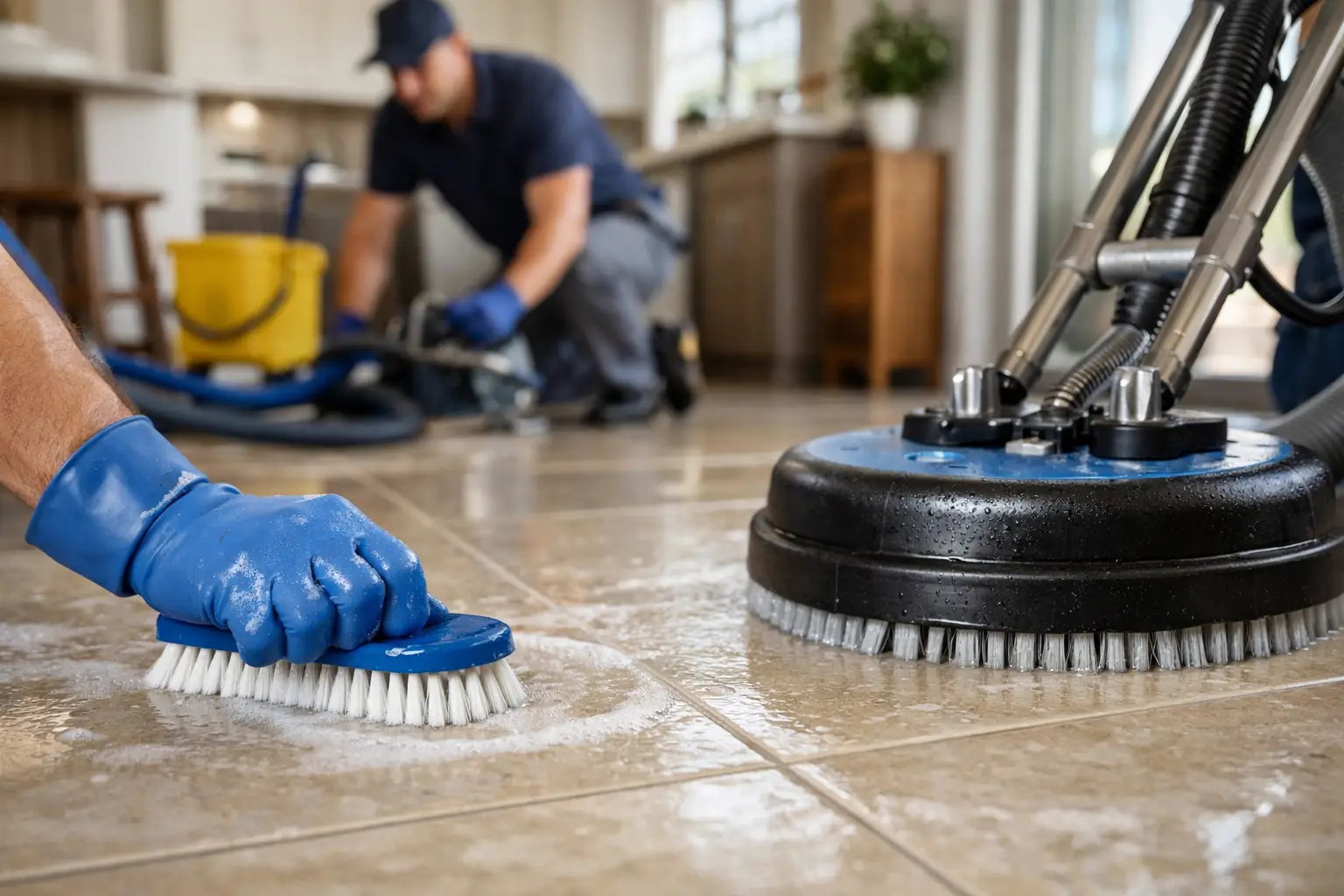
For heavily soiled floors, cleaning solutions are applied to loosen oils, embedded dirt, and residue. The products should be selected for the surface, not chosen as a one-size-fits-all solution. Grout lines and textured tile may need additional agitation to release the soil that a mop cannot reach.
This step is especially valuable in kitchens, rental properties, retail spaces, and areas near exterior doors. Those locations tend to collect the heaviest mix of oils, dust, grit, and foot traffic.
Deep Extraction and Rinsing
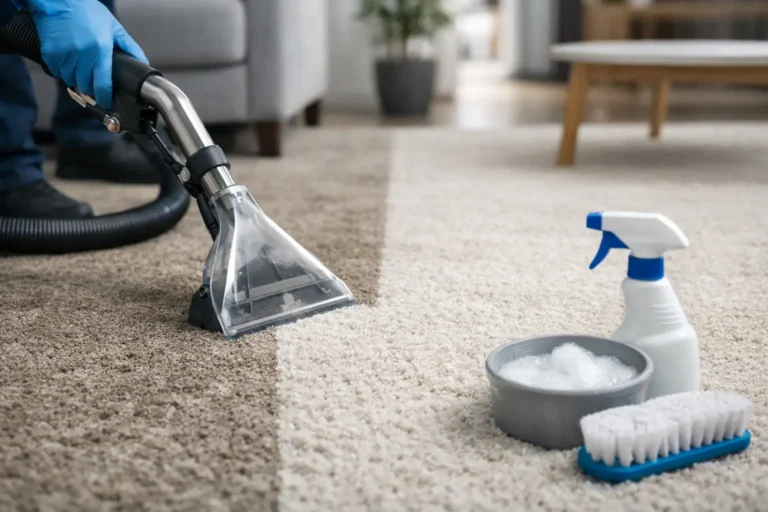
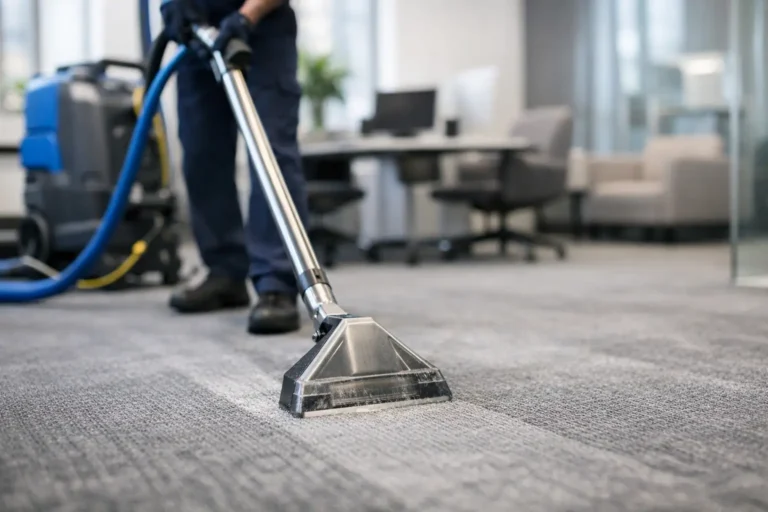
Once the soil has been loosened, professional-grade equipment can rinse and extract it from the tile and grout. Truck-mounted cleaning systems provide powerful heat and recovery, helping remove dirty water rather than leaving it behind on the floor.
A thorough rinse is a key part of the result. Cleaning product left in grout or on the tile can create a dull appearance and encourage faster resoiling. Proper extraction leaves the surface cleaner, fresher, and ready to dry without a heavy chemical film.
Attention to Stone and Specialty Surfaces
Natural stone calls for a different level of care. Travertine, marble, limestone, slate, and other stone floors may be vulnerable to etching, discoloration, or surface damage when treated with the wrong product. The same is true for delicate finishes, older tile installations, and grout that has already begun to break down.
A restoration-minded cleaner considers whether the floor needs cleaning alone or whether it may benefit from additional care, such as grout repair, sealing, or a separate stone-safe maintenance plan. Honest recommendations matter here. Sealing can help protect clean grout, but it will not repair cracked grout or hide permanent damage. It is most effective when applied to a properly cleaned, dry surface.
Signs It Is Time to Schedule Tile Cleaning
Routine mopping has its place, but there are clear signs that a deeper service may be worth considering. Property owners often call when they notice one or more of the following:
- Grout lines remain dark or uneven after regular cleaning.
- Tile looks hazy, sticky, or dull shortly after mopping.
- Shower tile has visible soap scum, mineral deposits, or mildew staining.
- Floors in entryways, kitchens, and hallways look noticeably different from less-used areas.
- A rental turnover or business refresh requires a cleaner, more presentable floor.
Waiting too long can make soil harder to remove, particularly on unsealed grout and textured surfaces. Regular professional care can also make everyday maintenance easier because there is less embedded buildup for a mop to work against.
How to Keep Tile Looking Better Between Visits
The best tile care plan is practical enough to follow. Sweep or vacuum frequently, especially near entrances, so abrasive grit does not get ground across the floor. Use a neutral, low-residue cleaner in the correct dilution, and avoid applying more product than the floor needs. More cleaner does not mean a cleaner floor.
For spills, wipe them up promptly. Cooking oils, pet accidents, cosmetics, and hard-water residue can stain or leave a film if they sit too long. In showers, improving ventilation and using a squeegee after use can reduce moisture buildup on tile and grout.
Be cautious with online cleaning shortcuts. Acidic products may seem effective on mineral deposits, but they can damage natural stone and may compromise some grout installations. Bleach-heavy products can also create uneven results or cause discoloration when used repeatedly. If you are unsure what your tile is made of, it is safer to ask before trying an aggressive product.
Cleaning for Homes, Rentals, and Commercial Properties
A family home may need tile cleaning because the kitchen and bathrooms no longer look as fresh as the rest of the house. A vacation rental may need fast, dependable service between guests or before a property inspection. A restaurant, office, retail store, or hospitality space may need a maintenance schedule that keeps high-traffic floors presentable without interrupting operations.
The service should match the property rather than force every customer into the same schedule. A low-traffic guest bathroom may need occasional deep cleaning, while a busy entryway or commercial restroom may benefit from more frequent attention. The floor’s use, material, and condition should guide the recommendation.
For West Hawaii property owners, reliability is just as important as cleaning power. A professional should arrive prepared, explain the work clearly, protect nearby areas, and provide fair, honest guidance about what can realistically be restored. Jensen’s Cleaning brings certified, insured service and a satisfaction-focused approach to tile, grout, stone, and other hard surface cleaning needs.
A cleaner tile floor changes how a room feels, but the real value is protecting a surface you already own. If your grout has stayed dark despite regular mopping or your floors no longer reflect the care you put into the property, a professional assessment can give you a clear, practical path forward.