Carpet Stain Removal Before and After Results
A carpet can look permanently damaged when a spill darkens into a stubborn spot, pathways turn gray, or a guest notices an odor you have learned to live with. But carpet stain removal before and after results often tell a more encouraging story. Many carpets do not need to be replaced. They need the right cleaning method, the right products, and careful attention to the fibers beneath the visible stain.
For homeowners, vacation rental managers, and businesses in West Hawaii, appearances matter. Sand, humidity, red dirt, sunscreen, pet accidents, food spills, and everyday foot traffic can all leave their mark. The goal is not simply to make a stain less noticeable. It is to remove as much of the staining material and embedded soil as possible without damaging the carpet or leaving behind a residue that attracts dirt again.
What Carpet Stain Removal Before and After Really Shows
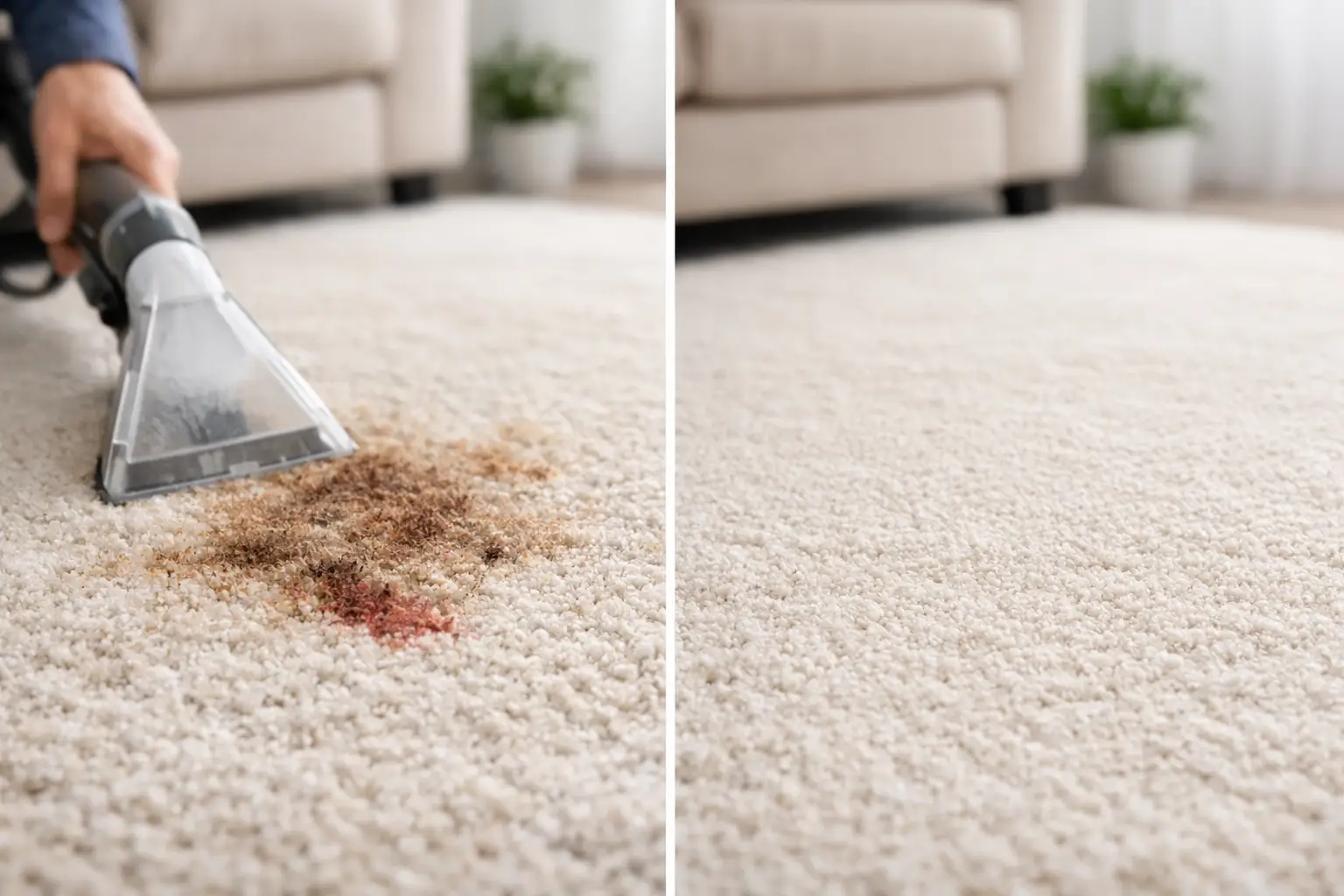
The most dramatic before-and-after photos are rarely about one fresh spill. They usually show the combined effect of soil, oils, traffic, and old spot treatments that have built up over time. A clean area can look brighter not because the carpet was dyed or covered up, but because the fibers are no longer coated in the grime that was dulling their original color.
Before cleaning, a stain may appear darker than it truly is because dry soil has collected around it. High-traffic lanes can make the issue look even worse, especially near entries, hallways, sofas, beds, and dining areas. After a professional deep cleaning, the carpet often has a more even appearance, clearer texture, and a fresher feel underfoot.
That said, honest results matter. Not every stain can disappear completely. Some substances permanently alter carpet dye, while others have been heat-set, repeatedly treated with the wrong product, or left in place for years. A reliable cleaner should explain what can reasonably improve before beginning the work, not promise a perfect outcome regardless of the carpet’s condition.
Why Some Stains Respond Better Than Others
A recent water-based spill is generally easier to remove than an old stain that has dried, oxidized, and bonded to the fibers. Coffee, juice, wine, pet accidents, grease, cosmetics, ink, and rust all behave differently. The carpet material matters too. Synthetic carpet may tolerate cleaning differently than wool, silk blends, natural-fiber rugs, or delicate upholstery fabrics.
The history of the stain is just as important as the stain itself. A spot that was blotted quickly may come out well. A spot that was rubbed hard with a towel can spread deeper into the pile and distort the fibers. Store-bought sprays can also complicate professional cleaning when they leave behind soap, bleach, or sticky residue.
Pet stains deserve particular care. The visible mark may be only part of the problem. Urine can travel into the backing and padding, where it creates persistent odor and can wick back toward the surface as the carpet dries. Surface cleaning alone may make the carpet look better temporarily without resolving the source of the odor.
The Difference Between Spot Cleaning and Deep Restoration
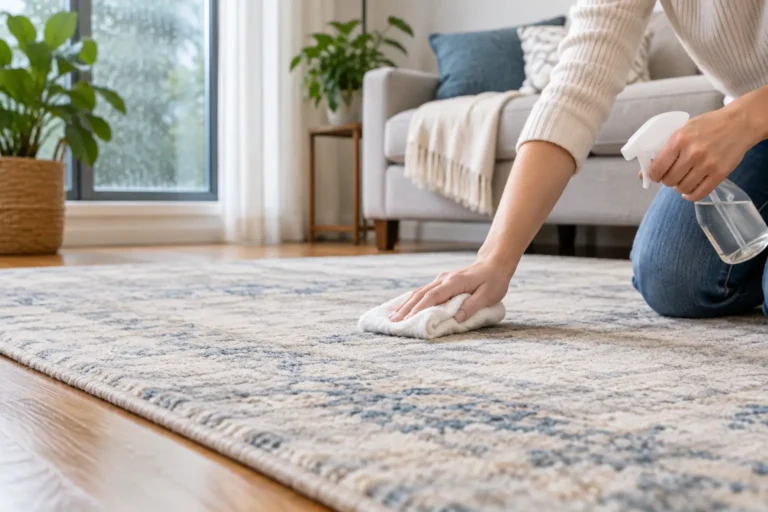
Spot cleaning has its place. When a spill happens, blotting promptly with a clean white towel can prevent it from spreading and reduce the chance of a permanent stain. The key is to blot, not scrub. Work from the outside edge toward the center, use minimal moisture, and avoid mixing household products that may discolor the carpet or create residue.
Deep cleaning addresses a larger issue. Professional-grade equipment can remove embedded soil and cleaning solution more thoroughly than many rental machines or home units. This is especially helpful when a carpet looks dingy across an entire room, feels stiff after repeated spot treatments, or has traffic lanes that do not improve with vacuuming.
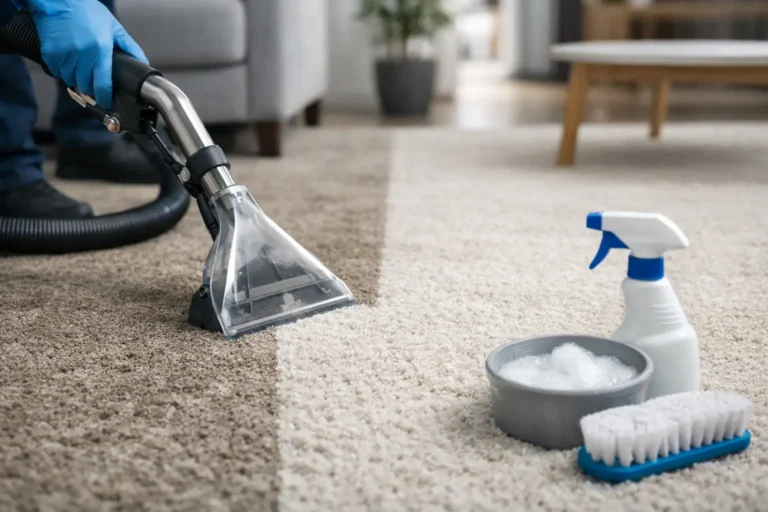
At Jensen’s Cleaning, restoration-oriented carpet care means looking beyond the obvious spot. The cleaning approach should account for fiber type, stain source, wear level, and the possibility of odor or residue below the surface. Truck-mounted equipment and specialized products can provide the flushing and extraction needed for a more meaningful reset, while careful technique helps protect the carpet from overwetting.
What to Expect During Professional Stain Removal
A proper appointment begins with an inspection. The technician identifies the carpet type, checks the stained areas, notes wear patterns, and asks what caused the spot when that information is available. This step helps determine whether the carpet needs targeted treatment, overall cleaning, odor treatment, or a combination of services.
Next comes pre-treatment. The product used should match the type of soil or stain. Grease needs a different approach from protein-based stains, mineral deposits, or tracked-in dirt. Agitation may be used to loosen heavily soiled fibers, but it should be appropriate for the carpet rather than aggressive by default.
Hot water extraction or another suitable method then lifts loosened soil and cleaning agents from the carpet. The after result may be visible immediately, although some spots need time to dry before the final outcome is clear. In certain cases, a stain can wick back as moisture rises from the backing. When that happens, additional treatment may be needed rather than assuming the cleaning failed.
Drying conditions affect the final result. Good airflow, ceiling fans, and reasonable indoor ventilation help carpet dry more quickly. In Hawaii’s humid conditions, a cleaner may recommend keeping air moving and limiting foot traffic until the carpet is dry. This helps prevent fresh soil from being tracked onto damp fibers.
Before-and-After Expectations for Common Carpet Problems
Traffic lanes often show some of the most satisfying improvement because much of the discoloration is removable soil and body oil. The result can make a room look brighter and more cared for, even if the carpet still has normal wear from years of use. Cleaning cannot reverse crushed pile or worn fibers, but it can remove the dirt that makes wear look more severe.
Food and drink stains vary. Fresh spills generally offer the best opportunity for removal. Older coffee, tea, juice, or wine stains may lighten substantially, but results depend on the carpet dye and any previous cleaning attempts. Grease stains can also improve greatly when treated correctly, though they may require specialized products.
Pet accidents require realistic expectations. Fresh accidents are usually easier to treat than repeated contamination in the same area. If the padding, subfloor, or carpet backing has been affected, odor removal may involve more than a standard cleaning. A clear explanation of options is better than a quick surface fix that does not last.
Bleach spots, dye loss, burns, and severe fiber damage are not ordinary stains. Cleaning cannot restore color that has been removed from the fiber or repair a melted or burned carpet strand. These conditions may need color repair, patching, or replacement. Knowing the difference protects you from spending money on a service that cannot solve the underlying issue.
How to Protect Results After Cleaning
Once the carpet has been professionally cleaned, regular vacuuming is one of the best ways to keep the before-and-after difference visible. Vacuuming removes dry grit that can wear down fibers, particularly in entryways and areas used by children, pets, guests, or customers.
Address new spills quickly, but use restraint. Blot with a clean towel and avoid soaking the area. Do not pour multiple cleaners onto a stain or scrub it with a stiff brush. If a spot remains, take note of what caused it and contact a professional before repeated DIY treatments make it more difficult to remove.
For vacation rentals, offices, and busy homes, scheduled cleaning can be more cost-effective than waiting until carpets look neglected. Routine care supports a cleaner appearance, helps manage odors, and can extend the useful life of the flooring investment.
When It Is Time to Call a Professional
Consider professional help when stains keep returning, odors remain after the carpet dries, pathways look gray despite regular vacuuming, or a delicate rug or carpet is involved. It is also wise to call before trying a strong chemical on wool, silk, or an unknown fiber. The wrong product can create a permanent problem in minutes.
The best carpet stain removal before and after result is not always a dramatic photo. Sometimes it is walking back into a room that feels clean again, knowing the carpet has been treated with care and given its best chance to last.