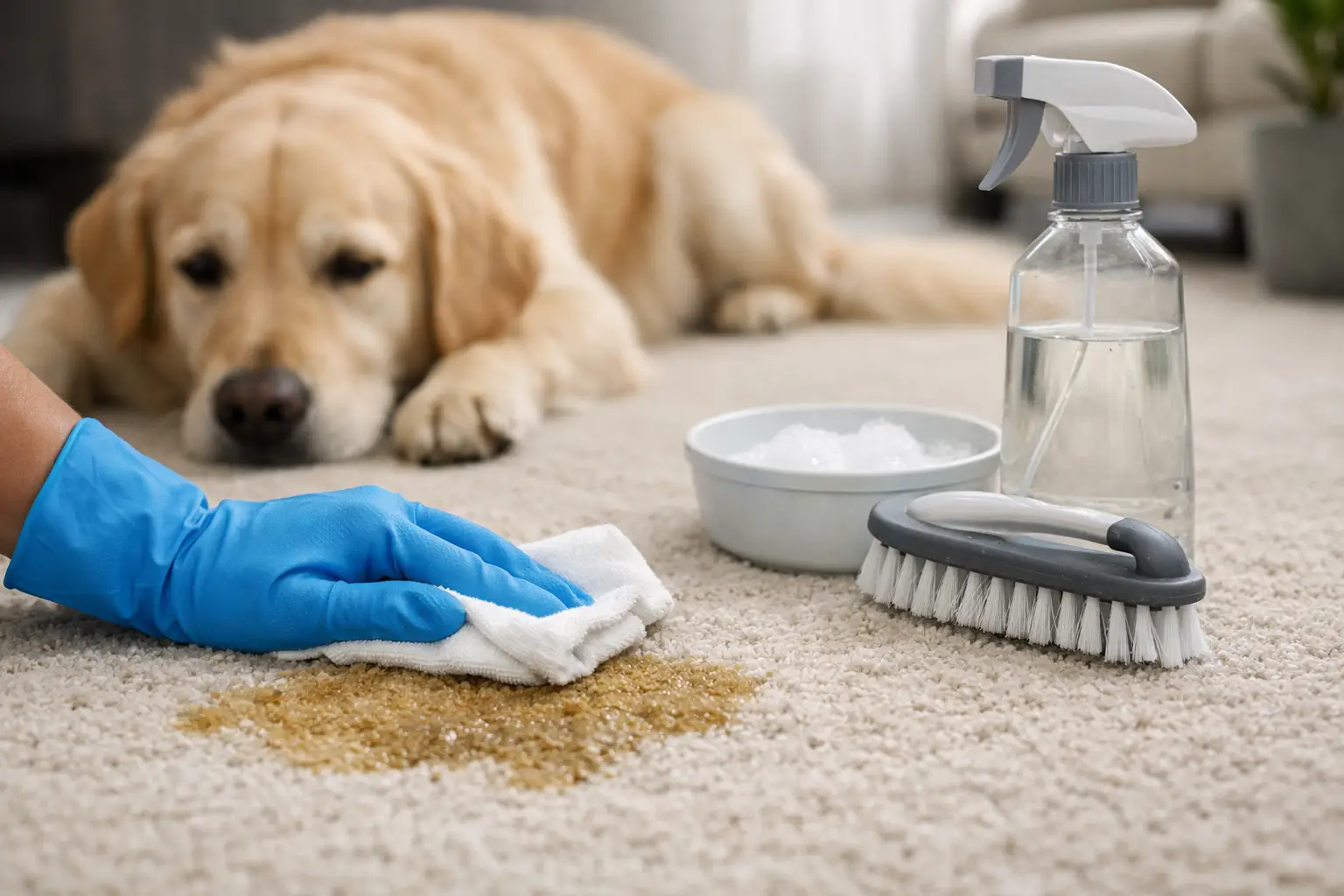
How to Clean Pet Stained Carpet Right
That small spot on the carpet rarely stays small for long. A pet accident can leave behind more than a stain – it can soak into the pad, trigger repeat marking, and leave a lingering odor that keeps coming back on humid days. If you are searching for how to clean pet stained carpet, the goal is not just making the area look better. The real job is removing the stain, the odor, and the residue without damaging the carpet fibers.
The right approach depends on three things: how fresh the accident is, what type of carpet you have, and whether the stain has reached the backing or pad. A fresh urine spot on synthetic carpet is very different from an older pet stain on wool or a heavily used rental property carpet. Treating all of them the same is where many homeowners run into trouble.
How to clean pet stained carpet without making it worse
The first priority is to remove as much moisture as possible. If the accident is fresh, blot with clean white towels or paper towels and press firmly. Stand on the towel if needed to pull more liquid up. Rubbing is a mistake because it pushes the stain deeper and frays the fibers at the surface.
Once you have blotted the area, rinse lightly with cool water and blot again. This helps dilute what is still in the carpet. Use a small amount of water, not enough to soak the area. Overwetting is one of the main reasons a simple pet spot turns into a larger odor problem later.
After that, use an enzyme-based pet stain remover made for carpet. This matters because urine is not just a colored spill. It contains proteins and compounds that standard household cleaners often do not fully break down. Enzyme products are designed to digest that organic material so the smell is less likely to return.
Follow the product directions carefully. More cleaner does not mean better results. In fact, too much product can leave residue that attracts soil and creates a sticky patch. Let the enzyme cleaner dwell for the recommended time, then blot again. If the instructions say to keep the area damp during treatment, do that. Enzymes need time to work.
Why odor often stays after the stain looks gone
One of the most frustrating parts of pet accidents is that the carpet can look clean while still smelling unpleasant. That happens because the source is often below the visible surface. Urine can travel through carpet backing and into the pad, especially if it sat for a while or happened more than once in the same place.
At that point, surface cleaning may improve the appearance but not solve the problem. On a warm day, or when indoor humidity rises, the odor can become noticeable again. Pets can also still detect what humans cannot, which is why they may keep returning to the same area.
This is where DIY methods reach their limit. If a stain has penetrated deeply, the fix may require flushing, extraction, or in severe cases pad treatment or replacement. A restoration-minded cleaner will look at how far the contamination spread instead of just treating the top fibers.
Common mistakes when cleaning pet stained carpet
A lot of carpet damage happens during stain removal, not during the accident itself. Harsh scrubbing can untwist fibers and leave the cleaned spot looking worn or fuzzy. Steam cleaning a fresh urine stain with the wrong equipment can also set odor and spread contamination if the carpet is not properly rinsed and extracted.
Another common mistake is using strong household chemicals that are not intended for carpet. Products with ammonia can be especially problematic because the smell can mimic urine and encourage repeat marking. Bleach is even riskier. It can remove color, weaken fibers, and create permanent damage long after the pet stain is gone.
Store-bought carpet shampoos can help in some cases, but they are not all equal. Some leave heavy residue, and some are too aggressive for delicate fibers or rugs. If you do not know your carpet type, it is safer to test any product in a small, hidden area first.
Fresh stains versus old stains
Fresh stains are much easier to remove because the contamination has had less time to bond to fibers and absorb into the layers underneath. If you catch the accident quickly, blotting, light rinsing, and a proper enzyme treatment may be enough.
Older stains are more complicated. The color may be caused not just by the original accident but by oxidation, soil buildup, or previous cleaning attempts. In some cases, a homeowner has already used several products, and the carpet now has layered residue on top of the original issue. That changes how the stain should be treated.
Old pet stains also carry more risk of permanent discoloration. Even with professional cleaning, not every older stain can be fully reversed. Honest carpet care means saying that clearly. Sometimes the best outcome is major improvement rather than complete invisibility.
How carpet type changes the cleaning method
Not all carpet handles spot treatment the same way. Many synthetic carpets are more forgiving and respond well to proper pet stain removers. Wool is different. It can be sensitive to high alkalinity, over-wetting, and rough agitation. That means a cleaning method that works on one carpet can damage another.
Area rugs can be even more nuanced, especially if they have unstable dyes, natural fibers, or prior wear. If the stain is on a specialty rug, caution is worth it. The wrong cleaner can cause color bleeding or texture distortion that is more expensive than the stain itself.
For homeowners managing vacation rentals or higher-end properties, this matters even more. Quick action is still important, but so is protecting the condition of the flooring asset. Replacement is always the most expensive option.
When professional cleaning is the better call
If the odor keeps returning, the stain has reappeared, the accident happened more than once in the same area, or the affected space is large, professional service is usually the smarter move. The same applies if the carpet is wool, the rug is delicate, or you are dealing with a property that needs to look and smell clean for guests or tenants.
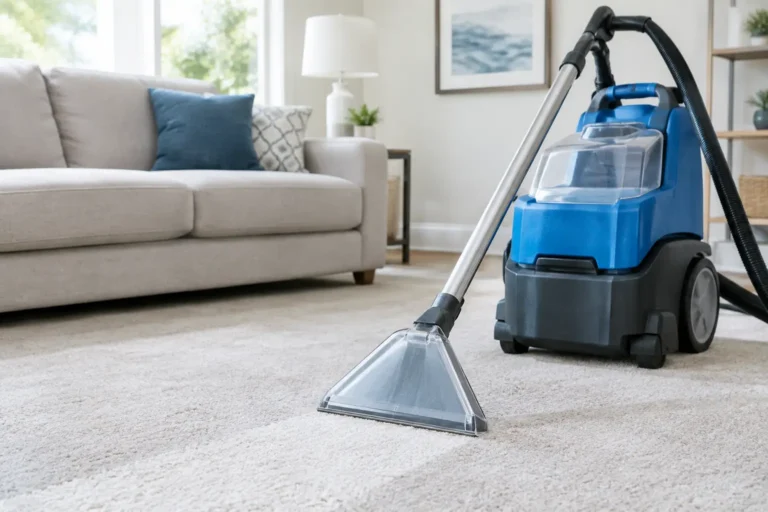
Professional equipment can flush and extract contamination more effectively than most home machines. Truck-mounted systems and specialized pet treatments are built for deeper cleaning, better recovery, and less residue left behind. That difference is important when you are trying to solve the problem instead of covering it up.
A professional should also be able to tell you whether the issue is treatable at the carpet level or whether the pad, subfloor, or repeated contamination is involved. That kind of honesty saves time and prevents spending money on the wrong fix.
In West Hawaii, where humidity and warm temperatures can make lingering odors more noticeable, thorough extraction matters. It is one reason many property owners choose professional help sooner rather than after multiple unsuccessful spot treatments.
How to reduce future pet stains and odors
Accidents happen, especially with young pets, senior pets, or animals adjusting to a new environment. The best prevention is quick response. Keep clean white towels and a pet-safe enzyme cleaner on hand so you can treat spots right away.
It also helps to avoid overusing home carpet machines for small accidents. Those machines have a place, but spot after spot with too much water can create a larger moisture issue. For recurring problem areas, it is often better to address the root cause with targeted treatment.
If your pet repeatedly returns to one location, that is a sign the odor source may still be there. At that point, more deodorizer is usually not the answer. A deeper clean is.
Jensen’s Cleaning sees this often in homes and rental properties where surface treatment improved the look but did not fully remove what had soaked below. The right cleaning process is less about masking the problem and more about restoring the carpet as completely as the material allows.
Pet stains can be stressful, but they do not always mean your carpet is ruined. The sooner you respond, the better your odds. And when the spot is beyond basic cleanup, getting a professional assessment early can be the difference between a manageable repair and a carpet that never truly smells clean again.