How to Restore Matted Carpet Fibers Safely
A carpet can be clean and still look worn out when its fibers have been pressed flat. The usual trouble spots are easy to recognize: the path from the entryway to the living room, the space in front of a sofa, hallways, and areas beneath rolling office chairs. Knowing how to restore matted carpet fibers can improve the appearance of a room, but the right approach depends on whether the pile is simply compressed, coated in residue, or permanently damaged.
For West Hawaii homes, vacation rentals, and commercial spaces, fine sand, humidity, sunscreen, and everyday foot traffic can all contribute to flat, dull-looking carpet. A little careful maintenance can make a meaningful difference. Aggressive scrubbing, excessive moisture, or the wrong cleaning product, however, can leave the carpet looking worse than before.
Why carpet fibers become matted
Carpet pile is designed to stand up, twist, or lay in a consistent direction. When people repeatedly walk over the same area, their weight compresses those fibers. Dirt and oily residue then act like a binder, holding the pile down and making the carpet feel stiff rather than soft.
Not every matted area has the same cause. A lightly flattened bedroom carpet may respond well to vacuuming and grooming. A busy rental hallway may have packed-in grit below the visible surface, while a carpet near an exterior door may be dealing with moisture and soil tracked in from outside. Treating all three situations the same is where many well-meaning DIY efforts go wrong.
Fiber type also matters. Nylon and some triexta carpets often respond well to professional cleaning and pile grooming. Polyester can be more prone to oily buildup. Wool needs gentler products, controlled moisture, and more caution because harsh chemistry or heavy brushing can damage its natural fibers. Older carpet may have genuine pile loss, which cleaning cannot reverse.
How to restore matted carpet fibers at home
Start with the least aggressive option. The goal is to remove dry soil and lift the pile without over-wetting or roughing up the fibers.
First, vacuum slowly in several directions. One quick pass will remove surface debris, but it may not release soil wedged down into the pile. Use the appropriate vacuum setting for your carpet, and make overlapping passes over the matted area. If the vacuum has a beater bar, make sure it is not set so low that it pulls or frays the carpet.
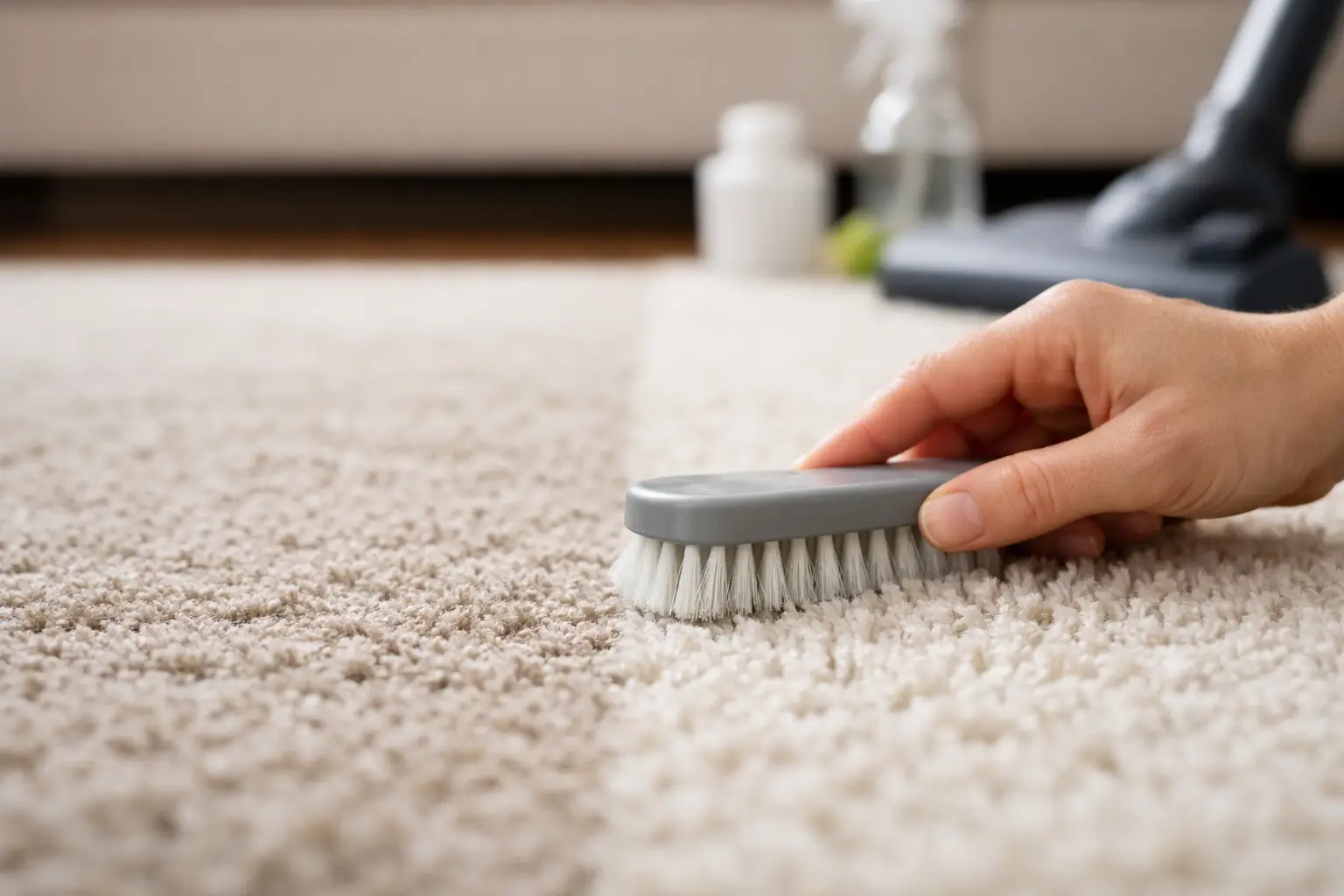
Next, use a carpet rake or pile brush designed for carpeting. Work gently in the direction that encourages the fibers to stand back up, then make a second light pass from another angle. This is especially helpful after vacuuming because it separates the fibers instead of leaving them pressed together. Avoid wire brushes and stiff household scrub brushes, which can snag loops or fuzz cut-pile carpet.
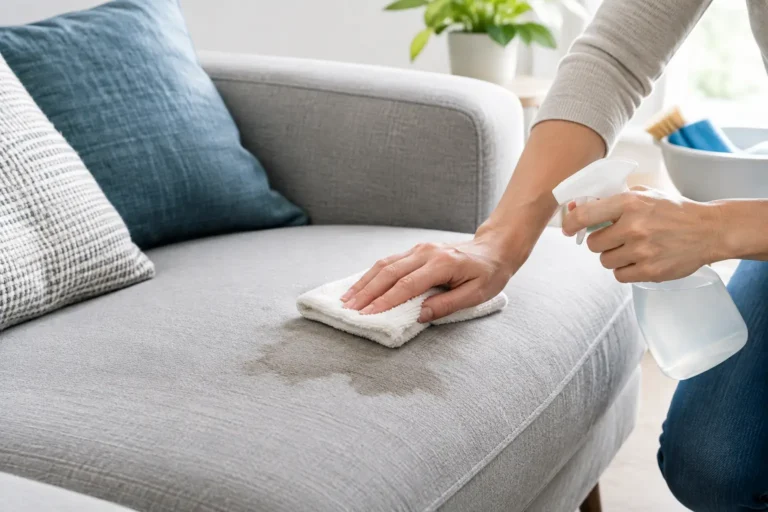
For a small, stubborn spot, lightly mist a clean white towel with water and blot the area before grooming. The towel should be damp, not wet enough to soak the backing. A small amount of moisture can help relax compressed fibers, but too much water may push soil deeper, leave residue behind, or create drying problems in humid conditions.
Once the area is dry, vacuum again and check the result in natural light. Carpet often looks different from one direction to another, so inspect it from several angles before deciding whether the pile has truly improved.
When a steam or ice method may help
You may have heard that ice cubes can lift dents left by furniture. This method can work on some carpets when used carefully. Place an ice cube on a small furniture dent, let it melt gradually, then blot away the moisture and lift the fibers with a spoon edge or carpet rake. It is best for isolated dents, not broad traffic lanes.
Do not use the ice method on carpet that is already damp, stained, or prone to water spotting. It also is not a fix for packed-in dirt. If the fibers are held down by oily residue and soil, adding water alone will not solve the problem.
Household steamers can be even riskier. High heat may affect some synthetic fibers, loosen carpet adhesive in certain installations, or leave the backing overly wet. If you use any steam at all, keep it well above the carpet rather than pressing it into the pile, use minimal moisture, and test a hidden area first. For most homes and businesses, careful grooming plus proper extraction cleaning is a safer answer than trying to steam traffic lanes yourself.
Deep cleaning often makes the difference
When carpet fibers stay flat after vacuuming and grooming, the issue is usually more than compression. Fine grit, body oils, food residue, cleaning-product buildup, and pet soil can collect at the base of the pile. The carpet may look gray or shadowed even after it is vacuumed.
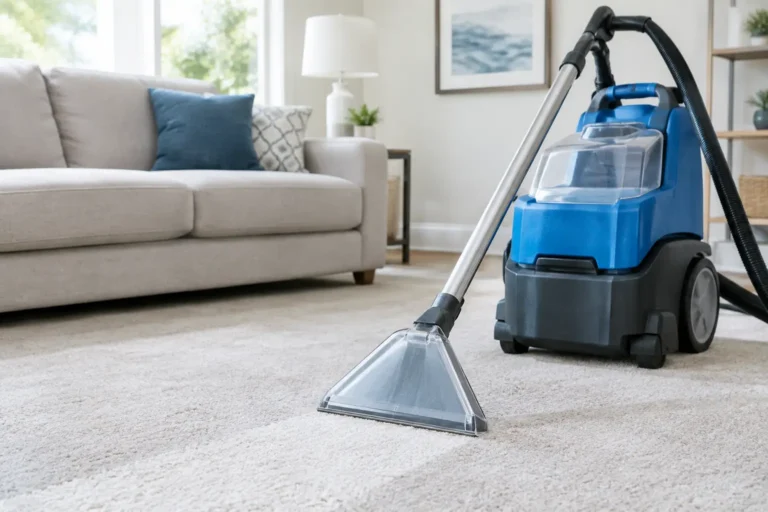
Professional hot water extraction is designed to flush out that embedded soil while helping restore the carpet’s texture. The process matters. Proper pre-treatment breaks up soils, controlled agitation helps release them, and powerful extraction removes moisture and residue. The carpet should also be groomed after cleaning so the pile dries in a more uniform position.
A rental property with frequent turnover may need this level of care more often than a low-traffic household. Likewise, an office entryway or hotel corridor may benefit from regular maintenance before the carpet becomes permanently crushed. Scheduling cleaning based on traffic and use, rather than waiting for the whole carpet to look dirty, helps protect its appearance and useful life.
Know the difference between matting and wear
Cleaning can remove soil and improve the way carpet fibers sit, but it cannot replace fiber that has worn away. This distinction saves homeowners and property managers from unrealistic expectations.
Matting usually feels dense or stiff and may look better after vacuuming, grooming, or deep cleaning. Wear is different. In a worn area, the carpet may look thinner, lighter in color, fuzzy, or uneven because the individual fibers have lost their twist or broken down. You may also see the backing more easily in severe cases.
Sun exposure can add another layer to the problem. A faded patch beside a sliding door may be clean and structurally sound, but no cleaning method can restore color that has been bleached by sunlight. In those cases, cleaning can still improve the surrounding carpet and make the area less noticeable, but replacement or a well-placed rug may be the practical choice.
Habits that keep carpet from flattening again
After you have improved the pile, regular care helps preserve the result. Vacuum high-traffic areas two or three times a week, especially near entries, kitchens, and seating areas. Place quality mats at exterior doors and clean them regularly so they continue catching sand and grit instead of transferring it indoors.
Move furniture occasionally when possible. Even shifting a chair or side table a few inches changes the pressure point on the carpet. Use furniture pads or cups under heavy legs to reduce sharp indentations, and use a protective mat beneath rolling desk chairs.
Address spills promptly with blotting, not rubbing. Rubbing can spread a stain, push it into the pile, and roughen the fibers. Be cautious with store-bought carpet cleaners as well. Overapplying soap or spot remover can leave a sticky residue that attracts more soil and contributes to a flattened look.
When professional help is the better investment
Call a professional when traffic lanes remain dark or matted after thorough vacuuming, when the carpet has an odor, when stains keep returning, or when you are unsure what fiber you have. Delicate rugs, wool carpeting, and heavily used commercial carpet deserve especially careful treatment.
Jensen’s Cleaning uses restoration-focused methods to help West Hawaii homeowners, property managers, and businesses get more life and better appearance from their carpet. A professional assessment can clarify whether the fibers are recoverable, which cleaning method fits the material, and whether replacement is truly necessary.
A flattened carpet does not always mean it has reached the end of its life. With the right level of cleaning, gentle pile grooming, and consistent maintenance, many traffic areas can look noticeably fresher and feel better underfoot.