Can Carpet Cleaning Remove Allergens From Your Home?
Carpet can make a home feel comfortable, quiet, and finished, but it also works like a filter. It catches material that comes in on shoes, through open windows, from pets, and from daily life. So, can carpet cleaning remove allergens? Yes, professional cleaning can remove a meaningful amount of allergen-containing debris from carpet fibers. But the best results depend on the type of allergen, the condition of the carpet, and the cleaning method used.
For households dealing with allergies, asthma, pets, vacation rental turnover, or the fine dust that comes with island living, carpet care is about more than appearance. A clean-looking carpet may still hold dust, dander, pollen, and other particles below the surface. Deep cleaning helps remove what routine vacuuming cannot always reach.
What Allergens Collect in Carpet?
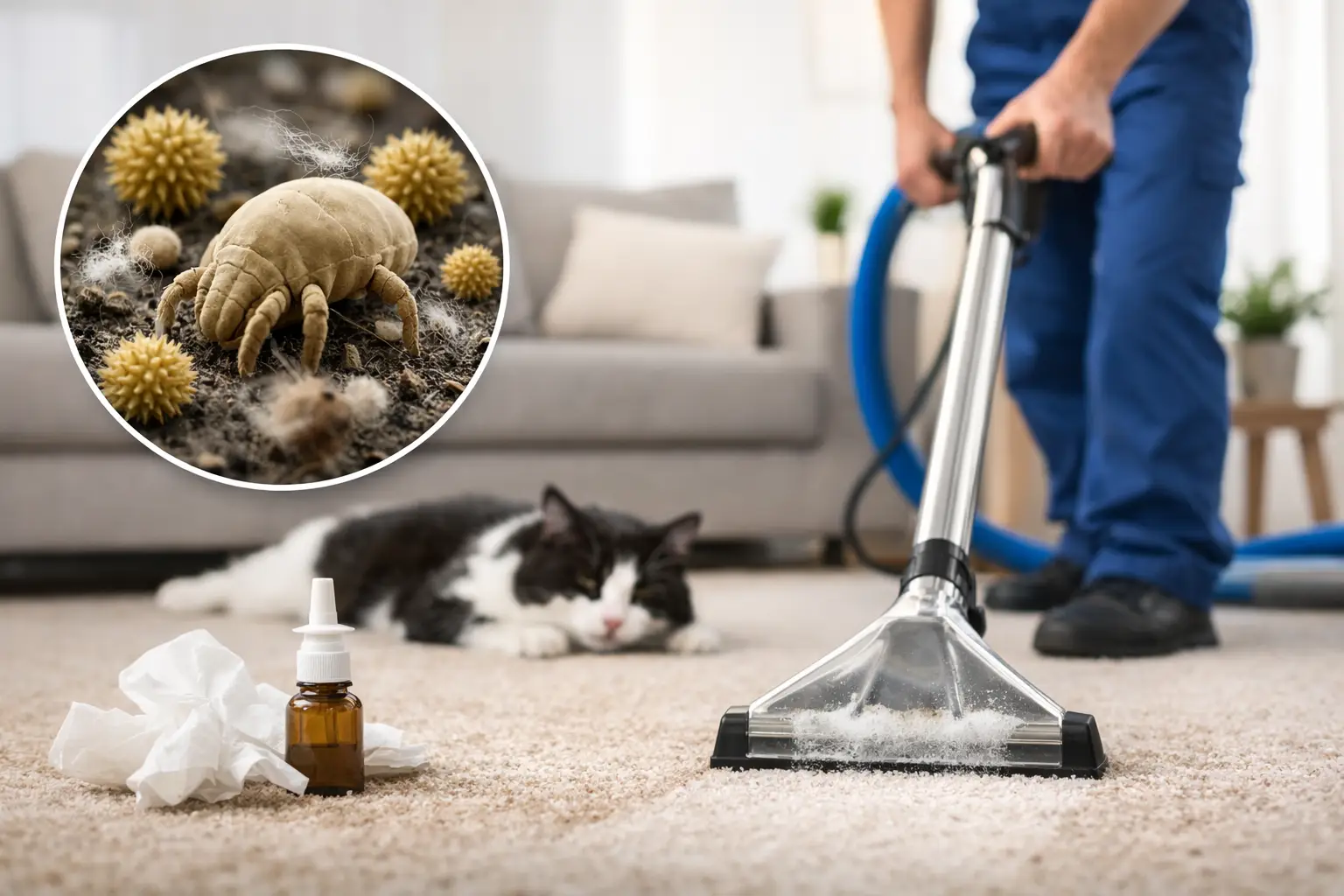
Carpet fibers can hold both visible soil and microscopic particles. Some of the most common allergy triggers found in carpet include dust mite waste and body fragments, pet dander, pollen, mold spores, and dust from outdoor traffic. These materials do not all behave the same way, but they can settle deep into the pile over time.
Dust mites are especially common in soft furnishings because they feed on tiny flakes of skin. Pet dander is lightweight and can spread throughout a room, even in homes where pets are not allowed on the carpet. Pollen can enter through doors, windows, clothing, and footwear. In West Hawaii, open-air living is part of the appeal, but it also means outdoor particles can make their way indoors more easily.
Carpet does not necessarily create allergens. It can, however, collect and hold them until they are removed. Walking, vacuuming with poor filtration, or moving furniture may stir some particles back into the air. That is one reason regular cleaning can support a cleaner indoor environment.
Can Carpet Cleaning Remove Allergens Effectively?
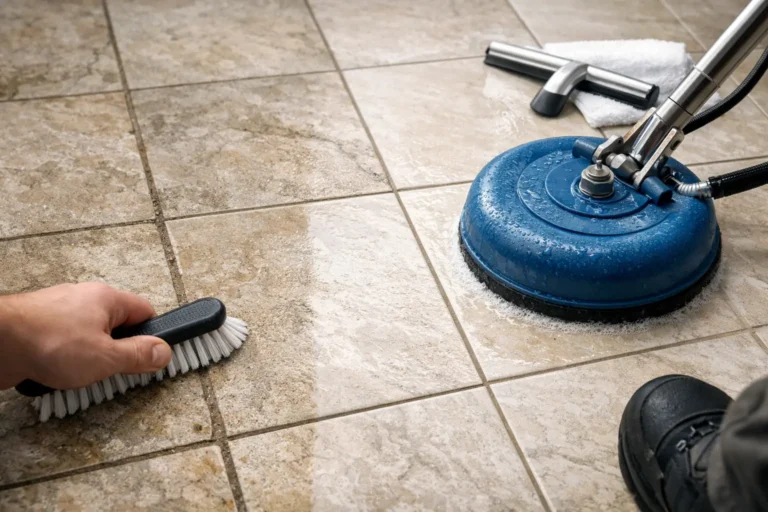
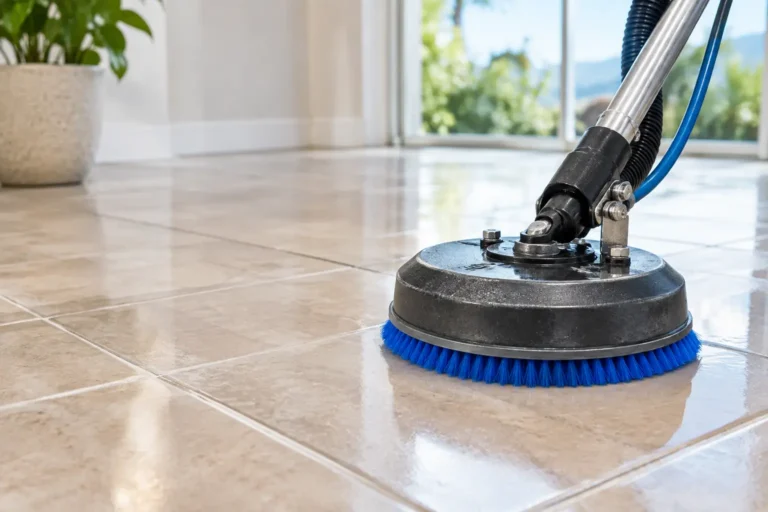
Professional carpet cleaning can remove a substantial amount of allergen-containing soil when it uses thorough agitation, rinsing, and extraction. Truck-mounted hot water extraction, often called steam cleaning, is particularly effective for many carpets because it flushes loosened debris from the fibers and removes moisture along with the soil.
The key is removal, not simply making the carpet smell fresh. A cleaning product that masks odors or leaves residue behind does not address the material trapped in the carpet. Proper professional cleaning uses the appropriate solution for the fiber, breaks up embedded soil, and extracts it rather than pushing it deeper into the backing.
That said, carpet cleaning is not a guarantee that every allergen will disappear. Some particles may remain in carpet backing, padding, upholstery, air ducts, bedding, or other areas of the home. If a person has severe allergies or asthma, carpet cleaning should be one part of a broader indoor air quality routine, not the only step.
Why Routine Vacuuming Is Still Important
Deep cleaning works best when it is paired with regular vacuuming. Vacuuming removes dry surface soil before it gets ground down into the carpet. For allergy-conscious homes, a vacuum with a sealed system and HEPA filtration can help capture fine particles instead of sending them back into the room.
Frequency depends on the home. A low-traffic household without pets may do well with weekly vacuuming. Homes with pets, children, frequent visitors, or vacation rental guests may need attention two or three times a week in the busiest areas. Entryways, hallways, living rooms, and areas around beds tend to collect the most debris.
Vacuum slowly enough for the machine to do its job. A quick pass may pick up crumbs and visible lint, but fine dust and dander often need several slow passes, especially on thicker carpet. Professional cleaning then handles the buildup that ordinary vacuuming leaves behind.
The Cleaning Method and Drying Time Matter
Not every carpet should be cleaned the same way. Fiber type, age, construction, previous treatments, stains, and moisture concerns all affect the right approach. Synthetic wall-to-wall carpet often responds well to hot water extraction. Delicate wool, specialty rugs, and some natural fibers need more careful evaluation and may require a different process.
A good cleaning should not leave carpet overly wet for an extended period. Excess moisture can create problems, especially in warm or humid conditions. Proper extraction, air movement, and appropriate drying practices are important for comfort and for reducing the chance of mildew-related concerns.
If you notice a persistent musty odor, visible growth, water damage, or damp padding, standard carpet cleaning may not be enough. Those conditions should be assessed before cleaning begins. Mold growth caused by a leak, flood, or ongoing moisture source requires correcting the moisture problem first. Cleaning a carpet without addressing the cause can allow the issue to return.
When Professional Cleaning Helps Most
Professional allergen-focused carpet cleaning is especially useful after a long period between cleanings, during high-pollen seasons, after moving into a home, or when a property has had heavy guest or pet traffic. It can also be helpful after renovations, since construction dust is extremely fine and can settle throughout carpeted rooms.
For property managers and vacation rental owners, cleaning between busy periods can improve more than appearance. Fresh, thoroughly cleaned carpet helps create a better first impression and reduces the buildup left behind by frequent occupancy. It also protects the carpet from premature wear caused by abrasive grit.
Homeowners may want to schedule service when they notice carpet that looks dull soon after vacuuming, lingering odors, increased dust around the home, or allergy symptoms that seem worse indoors. These signs do not prove that carpet is the cause, but they are reasonable reasons to look closely at the condition of the flooring and soft furnishings.
Steps That Help Keep Allergens Down Between Cleanings
A professional cleaning provides a strong reset, but everyday habits determine how quickly allergens build up again. Start at the door. Use quality entry mats and encourage guests to remove shoes when practical, especially after beach visits, gardening, or outdoor work.
Keep pet bedding and upholstered furniture clean as well. Dander does not stay in one place, so cleaning only the carpet may leave a major source untouched. Wash bedding regularly, groom pets when appropriate, and vacuum soft furniture using the right attachment.
Managing humidity can also make a difference. Dust mites tend to thrive in humid environments, so keeping indoor humidity under control can make a home less welcoming to them. Run exhaust fans, address leaks promptly, and use air conditioning or dehumidification when needed.
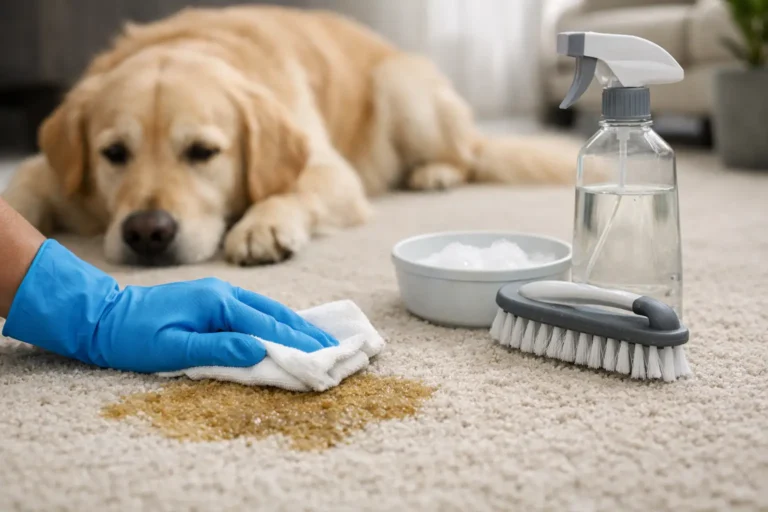
Finally, avoid overusing carpet powders, heavily fragranced products, or spot treatments that leave residue. Residue can attract soil and may bother people who are sensitive to fragrances. When a spill happens, blot it promptly and use a product suited to the carpet fiber.
A Cleaner Carpet Supports a Healthier Space
Carpet cleaning is not a cure for allergies, and it cannot replace medical guidance for serious symptoms. Still, removing accumulated dust, dander, pollen, and embedded soil can reduce one common reservoir of indoor allergens. The difference is often most noticeable when cleaning is performed thoroughly and maintained with regular vacuuming and moisture control.
At Jensen’s Cleaning, the goal is not simply to make carpet look better for a day. It is to remove the soil that ordinary cleaning leaves behind while treating each carpet with the care it needs. For homes, rentals, and businesses in West Hawaii, a well-timed professional cleaning can be a practical step toward fresher rooms, better-looking floors, and a more comfortable place to live or work.