Why Do Vinyl Floors Look Cloudy? Causes and Fixes
A vinyl floor can look clean from across the room, then turn dull and hazy when sunlight hits it. If you are asking, why do vinyl floors look cloudy, the answer is usually not that the floor is permanently dirty. In many cases, a cloudy appearance comes from residue on the surface, mineral deposits, moisture, or a cleaning method that is too harsh for the floor’s finish.
The good news is that cloudy vinyl can often be improved. The right solution depends on whether you are dealing with a removable film or actual wear in the protective layer. Knowing the difference helps prevent the common mistake of applying more cleaner to a floor that already has too much product on it.
Why Do Vinyl Floors Look Cloudy After Cleaning?
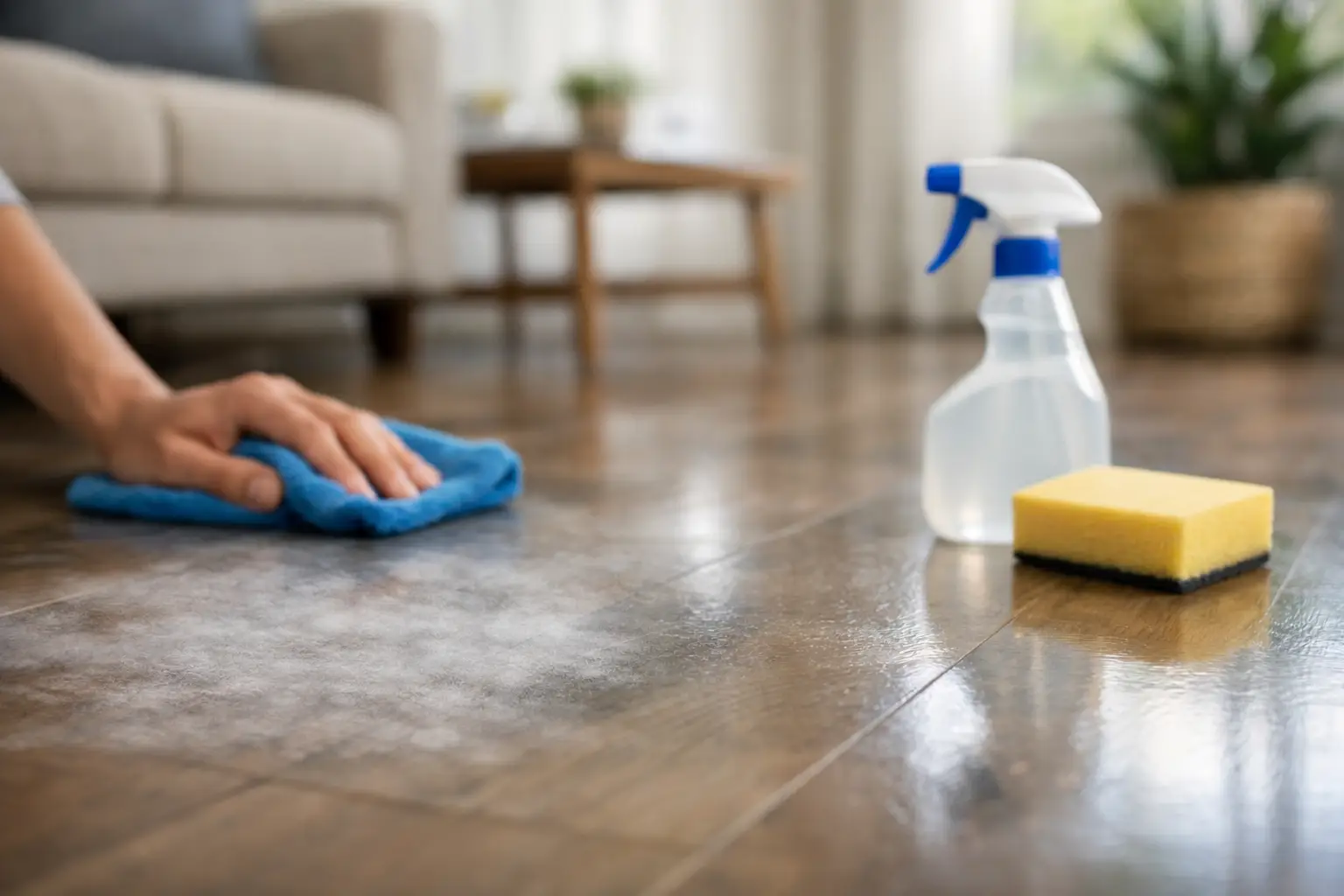
The most common cause is cleaner residue. Many household floor products leave behind soaps, oils, polymers, fragrances, or shine-enhancing ingredients. They may make the floor look better for a day, but each new application can add another thin layer. Over time, that film catches light unevenly and creates the gray, streaky, cloudy look homeowners often notice.
Using too much product causes the same problem, even with a cleaner labeled for vinyl. A little concentrate goes a long way. When it is mixed too strongly or not rinsed away, the residue can attract dust and fine dirt, making the floor appear dull again shortly after mopping.
This is especially common in vacation rentals, entryways, kitchens, and commercial spaces where floors are cleaned frequently. Well-intended routine cleaning can slowly become buildup if the floor is never thoroughly rinsed or professionally deep cleaned.
Hard-water minerals can leave a haze
West Hawaii water conditions can also contribute to a cloudy floor. When mop water dries, dissolved minerals can remain on the surface. These deposits may look like a white or gray film, particularly near sliding doors, kitchens, bathrooms, and areas where water is tracked in from outside.
Hard-water haze can be confused with cleaner buildup because both make vinyl lose its even sheen. The difference is that mineral spotting is often more noticeable where water has dried in place, while cleaner residue tends to create broad streaks or a uniform dull layer across the floor.
Dirt, sand, and fine grit wear down the finish
Vinyl is durable, but it is not immune to abrasion. Fine sand, volcanic dust, and tracked-in grit act like very mild sandpaper under shoes, chair legs, and furniture. Over time, heavy traffic can create thousands of tiny scratches in the wear layer. Light scatters across those marks, causing the floor to look cloudy even after it has been cleaned.
This type of cloudiness is most noticeable in pathways between a front door and living area, around kitchen work zones, and in busy hospitality or retail settings. It may be limited to certain lanes of traffic rather than covering the entire floor.
Other Causes of a Cloudy Vinyl Floor
Not every haze is a cleaning issue. Vinyl plank, luxury vinyl tile, sheet vinyl, and vinyl composite tile can react differently to moisture, sunlight, and cleaning products. The age and condition of the installation also matter.
Moisture under or around the flooring
Cloudiness that seems to come from beneath the surface deserves attention. Water intrusion, a plumbing leak, excess moisture from a slab, or moisture around seams can change the appearance of vinyl. In some cases, the flooring may also feel loose, curl at the edges, or show dark discoloration.
Surface cleaning will not correct a moisture problem below the floor. If the haze is accompanied by lifting, soft spots, staining, or a musty odor, it is best to identify the moisture source before attempting restoration.
Wax, polish, or incompatible products
Some older vinyl floors were designed to be maintained with a specific finish. Others, including many modern luxury vinyl floors, should not be waxed or polished at all. Applying a wax, acrylic polish, mop-and-shine product, or oil-based cleaner to a no-wax floor can leave a cloudy coating that is difficult to remove.
A product can also be incompatible even if it appears to work at first. Certain cleaners may soften or dull the protective finish, especially when they contain strong solvents, ammonia, abrasive powders, or harsh degreasers. Steam can also be risky for vinyl flooring because excess heat and moisture may affect seams, adhesive, or plank edges. Always follow the flooring manufacturer’s care instructions when they are available.
Sun exposure and aging
Direct sunlight can gradually alter the color and finish of vinyl. This is more likely near large windows, glass doors, or rooms with intense afternoon sun. Fading and wear do not always look like a traditional stain. Instead, the floor may develop a washed-out or uneven appearance that resembles cloudiness.
If the haze remains after a careful cleaning and is concentrated in sun-exposed or high-traffic areas, the wear layer may be worn rather than dirty. Cleaning can improve the overall appearance, but it cannot rebuild a damaged factory finish.
How to Safely Remove Cloudiness From Vinyl Floors
Start with the gentlest approach. Sweeping or vacuuming with a hard-floor setting removes grit that can scratch the surface during mopping. Then use a damp microfiber mop, not a soaking-wet string mop, with warm water and a small amount of a pH-neutral cleaner approved for vinyl.
The key step is rinsing. After cleaning a small section, go over it with a separate microfiber mop dampened only with clean water. Change the water as it becomes cloudy. Finally, dry the area with a clean towel or dry microfiber pad so minerals and leftover product do not dry back onto the floor.
For a light residue problem, this process may be enough. Work in a small, inconspicuous spot first. If the floor looks clearer after it dries, continue section by section rather than applying stronger chemicals.
Avoid trying to scrub away haze with steel wool, scouring pads, abrasive powders, or stiff brushes. These can permanently scratch the wear layer and turn a removable film into visible surface damage. Vinegar is also not a universal answer. While a diluted solution may be recommended for certain floors, repeated acidic cleaning can be unsuitable for others. Manufacturer guidance should take priority.
When DIY Cleaning Is Not Enough
A professional assessment is worthwhile when the floor remains cloudy after proper rinsing, feels sticky underfoot, has visible streaks that return quickly, or shows uneven shine in high-traffic areas. A trained floor-cleaning technician can determine whether the issue is surface soil, embedded residue, mineral buildup, old finish, or wear in the vinyl itself.
Professional vinyl floor cleaning uses products and equipment selected for the floor’s condition, followed by controlled extraction or rinsing that removes suspended grime instead of spreading it around. This matters in larger homes, rental properties, and commercial spaces where mop cleaning alone may not remove years of traffic film.
At Jensen’s Cleaning, the focus is on restoring the best possible appearance without using aggressive methods that can shorten the life of the flooring. Some floors can be brought back to a much cleaner, more even finish. Others may have permanent wear, and an honest evaluation should make that clear before work begins.
Keep the Cloudiness From Returning
Once the floor is clear, maintenance becomes simpler. Use entry mats that trap sand and moisture, but clean those mats regularly so they do not become a source of grit. Place felt pads under chairs and furniture that move often. Sweep frequently in active areas, especially near exterior doors.
For regular mopping, use less cleaner than you think you need and avoid products marketed primarily for extra shine. Clean water, a quality microfiber mop, and a vinyl-safe neutral cleaner are usually the better long-term choice. If a spill involves grease, sunscreen, food, or tracked-in residue, clean it promptly rather than adding repeated layers of all-purpose product later.
A cloudy vinyl floor is often a sign that it needs a different cleaning approach, not a replacement. Before reaching for a stronger bottle or a scrub pad, test a gentle rinse in a small area. A clear result there is a good indication that careful cleaning, or professional restoration when needed, can help the rest of the floor look like it belongs in the room again.