Can Grout Cleaning Remove Mold From Tile?
A few black spots around a shower corner can make an otherwise clean bathroom feel neglected fast. So, can grout cleaning remove mold? Often, it can remove visible surface growth and the grime that helps it hold on. But the honest answer depends on where the mold is growing, how long moisture has been present, and whether the grout, caulk, or wall behind the tile has been damaged.
For homeowners, vacation-rental managers, and businesses in West Hawaii, this distinction matters. Humid air, frequent showers, wet swimwear, and limited bathroom ventilation can create the conditions mold and mildew need. A deep grout cleaning can make tile look dramatically better, but lasting results require addressing the moisture source as well.
What Grout Cleaning Can and Cannot Remove
Grout is a cement-based material with tiny pores. Over time, those pores collect soap residue, body oils, hard-water minerals, dirt, and moisture. Dark discoloration in grout is not always mold. It may be mildew, mineral buildup, embedded soil, or a combination of all three.
When the issue is on the surface, professional grout cleaning can remove much of the visible staining and growth. Specialized cleaning solutions, agitation, and hot-water extraction can lift contamination from the grout lines more effectively than a quick scrub with a household spray. This is especially useful on shower floors, bathroom walls, entry tile, and commercial restrooms that receive steady traffic and moisture.
Cleaning has limits, though. If mold has spread beneath loose tile, behind failing caulk, into water-damaged drywall, or through badly deteriorated grout, surface cleaning is not the complete answer. Those conditions may call for repair, moisture control, or mold remediation before the tile can be safely restored.
Can Grout Cleaning Remove Mold Permanently?
Grout cleaning can remove mold that is sitting on or near the surface, but no cleaning service can promise permanent removal if the area stays damp. Mold needs moisture first. If a shower leak, cracked grout line, failed caulk joint, or poor ventilation remains in place, new growth can return after even a thorough cleaning.
Think of cleaning as one essential part of the solution. It removes visible buildup, improves the appearance of the tile, and helps create a clean surface to evaluate. Once the grime is gone, it becomes much easier to see whether the grout is sound or whether there are cracks, missing sections, or areas that stay wet longer than they should.
The condition of the grout makes a difference, too. Older grout may be deeply stained even after the mold or mildew is removed. In that case, cleaning can improve the surface substantially, while grout repair, color sealing, or replacement may be needed to restore a more uniform appearance. Honest service means explaining that trade-off before work begins, not promising that every dark line will look brand new.
Signs You May Have More Than a Cleaning Problem
A professional cleaning is a good starting point when discoloration is limited to grout surfaces and there is no sign of water damage. However, certain warning signs point to a problem beyond routine tile care.
Pay closer attention if tiles feel loose, grout is crumbling, caulk is split or pulling away from the wall, or an area has a persistent musty odor. Staining that returns quickly in the exact same place is another concern, especially around shower valves, tub edges, and wall corners. Peeling paint, soft drywall, or water marks outside the tiled area can indicate that moisture is getting behind the surface.
In these situations, cleaning the grout may still improve appearance, but it should not be used to cover up a water issue. Repairing the leak or damaged materials comes first. Once the area is dry and structurally sound, detailed cleaning and restoration can help bring the finished surface back to a cleaner condition.
Why Professional Tile and Grout Cleaning Often Works Better
Scrubbing grout by hand can help with light, recent buildup. The problem is that grout lines are narrow, porous, and difficult to clean evenly. Aggressive brushing may wear down weakened grout, while the wrong chemical can discolor surfaces or leave residue that attracts more soil.
Professional cleaning methods are designed to match the tile and grout condition. A trained technician can identify whether the floor is ceramic, porcelain, natural stone, or another material before selecting products and pressure levels. This matters because a cleaner that is acceptable for one surface may damage another, particularly delicate stone or older tile finishes.
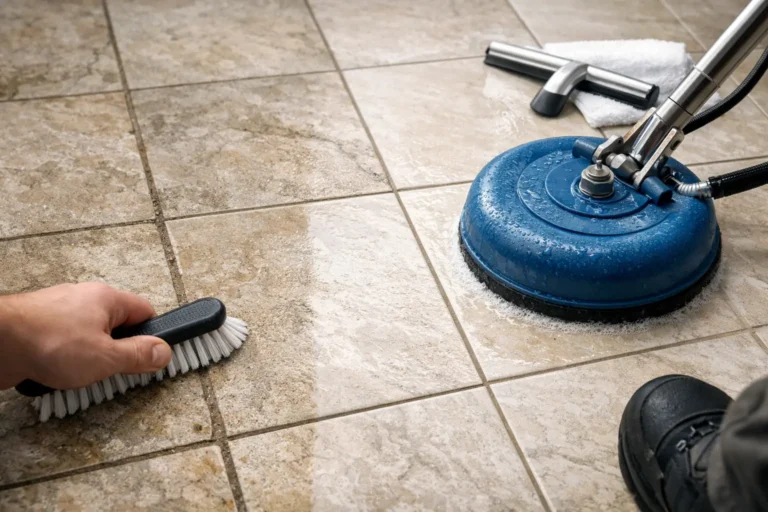
The process generally involves loosening embedded soil with appropriate cleaning solutions, agitating grout lines where needed, and extracting the released residue instead of simply moving it around with a mop. Truck-mounted equipment can provide the heat and recovery needed for a deeper clean, helping remove dirty water from the tile surface rather than leaving it behind in the grout.
At Jensen’s Cleaning, the goal is restoration, not a quick cosmetic pass. A careful assessment helps determine whether deep cleaning, grout repair, sealing, or a separate moisture-related repair is the right next step. That approach protects the surface and gives property owners a clearer picture of what their tile actually needs.
Be Careful With DIY Mold Cleaning Methods
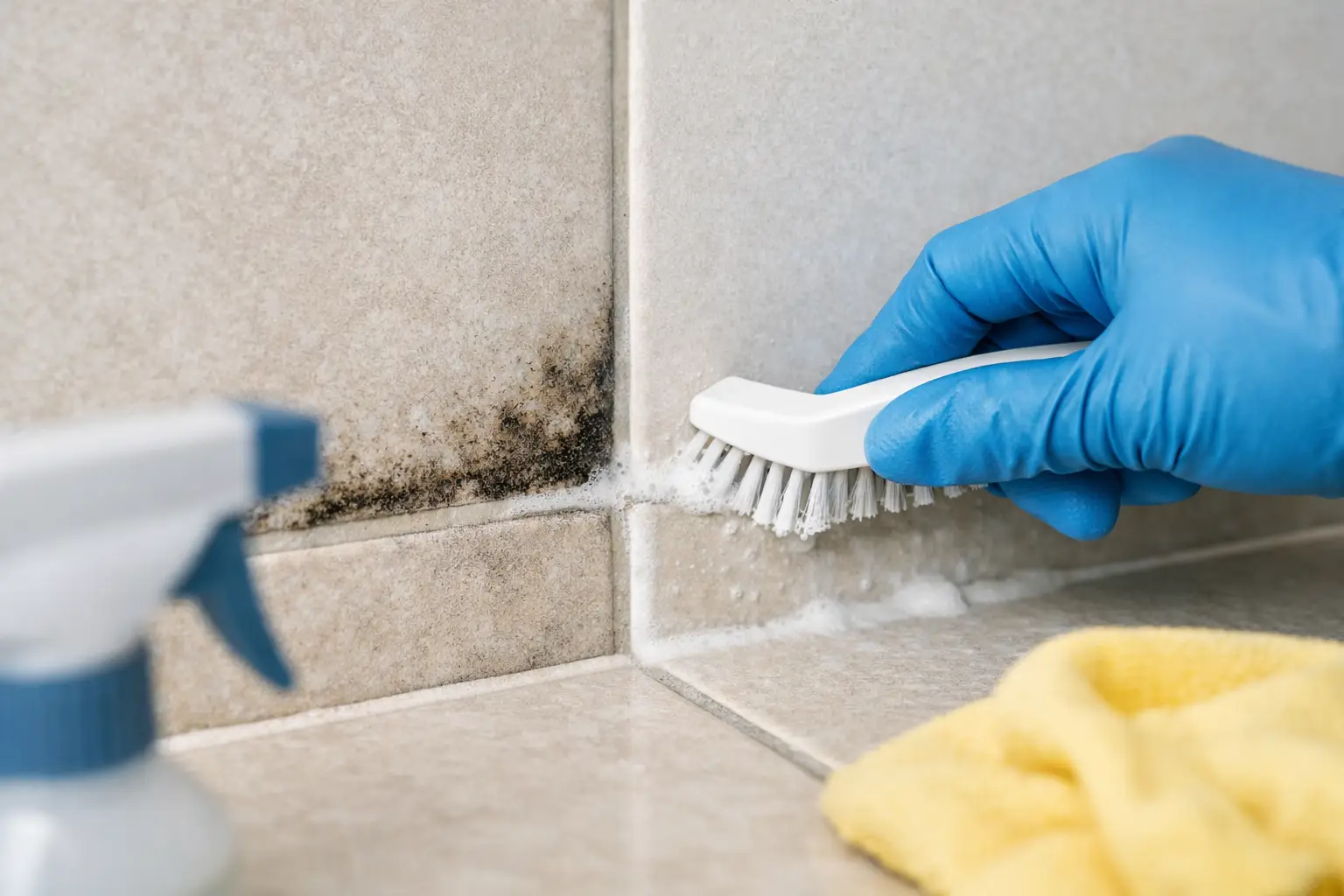
For a small, isolated spot on sound tile and grout, a homeowner may be able to clean the area with a suitable tile-and-grout product and a non-damaging brush. Keep the room ventilated, wear appropriate gloves, and follow the product label exactly. After cleaning, rinse as directed and dry the area thoroughly.
Avoid mixing cleaning products. Combining bleach with ammonia, acids, or other household chemicals can create dangerous fumes. Also avoid assuming that stronger is better. Harsh acidic products can damage some grout and natural stone, while repeated heavy bleach use may weaken or discolor materials over time.
A steam cleaner can be useful in some situations, but excessive moisture is not ideal for damaged grout or loose tile. If you are dealing with widespread growth, a recurring odor, a suspected leak, or staining that comes back after cleaning, it is wiser to pause the DIY approach and have the condition evaluated.
Keeping Mold From Returning to Clean Grout
The best defense is making the tiled area dry more quickly after use. Run the bathroom exhaust fan during showers and for a while afterward. If the room has a window, opening it when weather and security allow can also help move humid air out.
Use a squeegee or towel on shower walls and glass after bathing, particularly in corners and along grout lines. Wash bath mats regularly and do not leave wet towels or swim gear piled on tile floors. For vacation properties, clear turnover routines for bathroom drying and ventilation can make a noticeable difference between guest stays.
Inspect caulk and grout periodically. Small cracks are easier and less expensive to address before water travels behind the tile. Once the grout is professionally cleaned and fully dry, a suitable grout sealer may help reduce how quickly it absorbs water and soil. Sealer is not a cure for a leak, but it can support a regular maintenance plan on sound grout.
Clean grout should give you more than brighter tile. It should help you see whether your bathroom or tiled space is dry, well maintained, and ready to serve your household or guests with confidence. If staining keeps returning or the tile shows signs of moisture damage, treating the cause early is the best way to protect both the surface and the space behind it.