Sealed Versus Unsealed Grout for Tile Floors
A tile floor can look freshly installed while the grout lines tell a completely different story. When homeowners compare sealed versus unsealed grout, the real question is usually not whether tile needs protection. It is whether the grout can stand up to spills, tracked-in soil, cooking residue, shower moisture, and daily use without becoming permanently discolored.
For many homes, vacation rentals, and commercial spaces in West Hawaii, sealing grout is one of the simplest ways to protect the clean, finished look of a tile surface. Still, it is not a one-size-fits-all answer. The grout type, its condition, the room, and the level of traffic all matter.
Sealed Versus Unsealed Grout: The Main Difference
Most traditional grout is cement-based and porous. Under a microscope, it has tiny openings that can absorb moisture, oils, soap residue, dirt, and colored liquids. That is why a light-colored grout line can turn gray, brown, orange, or black even when the tile itself still looks clean.
Unsealed grout leaves those openings exposed. In a low-traffic, dry area, that may not create an immediate problem. But in kitchens, entryways, bathrooms, lanais, rental properties, and commercial restrooms, unsealed grout can absorb contaminants quickly. Cleaning becomes harder because the discoloration is not sitting on the surface anymore. It has moved into the grout.
Sealed grout has been treated with a grout sealer that reduces absorption. A quality penetrating sealer enters the grout and helps repel water and stains while allowing the material to breathe. It does not make grout indestructible, but it gives spills and soils less opportunity to settle in.
Think of sealer as a protective layer that buys time. A spilled drink, greasy splash, or muddy footprint is easier to remove before it becomes a deep stain. That can make a meaningful difference in how often floors need intensive cleaning or restoration.
Why Unsealed Grout Gets Dirty So Fast
Unsealed grout is especially vulnerable because grout lines sit slightly below the tile surface. They naturally collect soil as people walk across the floor. In kitchens, fine grease particles can settle into grout. In showers, soap film and minerals create a sticky surface that holds onto body oils and mildew. Near exterior doors, sand and damp debris can be ground into the joints.
West Hawaii properties have a few additional challenges. Open windows, beach traffic, pool use, humidity, and frequent indoor-outdoor living can bring in fine grit and moisture. A vacation rental may also experience heavy turnover, different cleaning products, and spills that are not addressed right away. These conditions do not automatically ruin grout, but they make regular maintenance and proper sealing far more valuable.
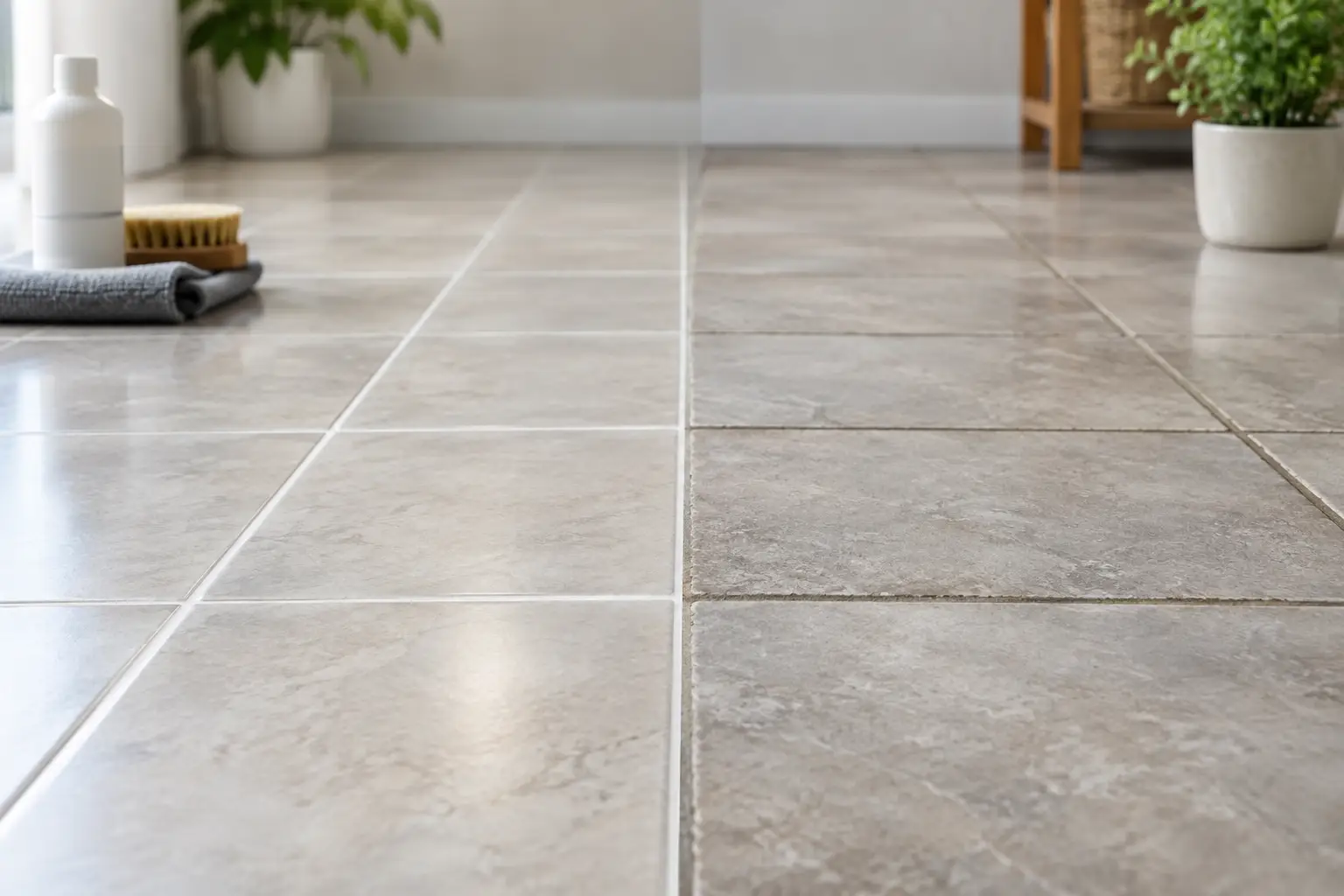
Unsealed grout can also become uneven in color. One section may look clean while high-traffic paths darken significantly. Many people assume the tile has aged beyond saving when the problem is concentrated in the grout lines. Professional tile and grout cleaning can often remove embedded buildup and restore a more even appearance, especially before permanent staining has taken hold.
The Benefits of Sealed Grout
The biggest advantage of sealed grout is easier maintenance. A sealed grout line is less likely to absorb everyday spills and grime, so routine mopping and prompt spot cleaning are more effective. Floors can stay brighter with less aggressive scrubbing.
Sealing also helps preserve appearance. This matters in spaces where first impressions count, including kitchens, bathrooms, hotel rooms, restaurants, retail areas, and rental properties. Clean grout creates crisp definition between tiles. Dirty grout can make an otherwise well-maintained floor appear neglected.
There is also a practical asset-protection benefit. When soil, moisture, and residue are allowed to build up year after year, grout may weaken, crack, or require more extensive restoration. Sealing will not prevent damage caused by movement, failed installation, or missing grout, but it can reduce the wear caused by absorption and repeated harsh cleaning.
For busy households and property managers, a sealed floor can reduce the time spent trying to correct preventable discoloration. It is easier to maintain a protected grout line than to repeatedly fight stains that have soaked deep into an unprotected one.
When Grout Sealing May Not Be Needed
Not every grout requires a separate sealer. Epoxy grout, for example, is far less porous than standard cement-based grout and is generally stain resistant without additional sealing. Some newer premixed or high-performance grouts also include stain-resistant properties. The product used during installation matters, so checking the installer documentation or manufacturer guidance is worthwhile.
Tile material matters too. Porcelain and ceramic tile are often low-porosity, but natural stone can be absorbent and may need its own appropriate sealer. The goal is not to coat every surface with the same product. The wrong sealer can leave residue, alter the appearance of certain materials, or create a slippery film.
A dry guest bathroom with epoxy grout may need very little beyond ordinary cleaning. A heavily used kitchen with cementitious grout is a different situation. This is why the best answer to sealed versus unsealed grout depends on the floor, not just the room name.
How to Tell Whether Your Grout Is Sealed
A simple water test can offer a clue. Place a few drops of water on a clean, dry grout line and watch what happens. If the water quickly darkens the grout and absorbs, the grout may be unsealed or the existing sealer may be worn down. If the water stays beaded on the surface for several minutes, there is likely still some protection present.
This test is helpful, but it is not perfect. Water resistance does not always mean the grout has strong protection against oils, dyes, or acidic spills. Also, grout that looks dark may be carrying embedded soil rather than simply absorbing water.
If grout lines remain dark after regular mopping, feel rough or sticky, or show uneven staining, cleaning should come before sealing. Sealer is designed to protect clean grout. Applying it over dirt, soap residue, mold, or old floor finish can lock in the problem and leave a disappointing result.
Clean First, Then Seal
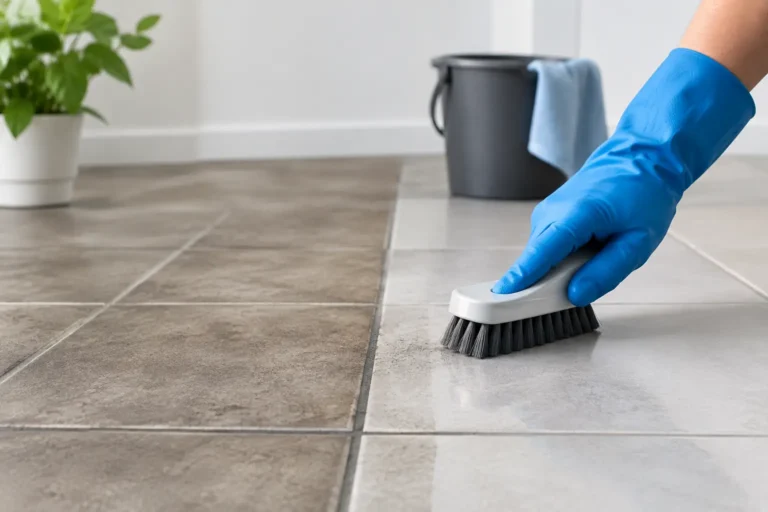
Professional tile and grout cleaning is often the right starting point for older floors. Deep-cleaning equipment and specialized solutions can loosen buildup that household mops leave behind. Technicians can also identify cracked grout, missing sections, mold concerns, failed caulk, or tile damage that sealing alone will not solve.
Once grout is thoroughly cleaned and allowed to dry, a compatible penetrating sealer can be applied. Careful application matters. Excess sealer left on the tile surface can dry into a haze, while missed grout lines leave weak spots in the protection. A professional service can also recommend a maintenance schedule based on the location and how the floor is used.
Jensen’s Cleaning approaches tile and grout work with restoration in mind. The goal is not simply to make a floor look better for a day, but to remove buildup safely and help customers protect the surface they already own.
How Long Does Grout Sealer Last?
There is no single timeline. Some sealers may provide protection for a year or two in a busy area, while others can last longer under lighter use. Kitchen floors, shower walls, pool-adjacent spaces, and commercial traffic paths usually need more frequent attention than a rarely used interior room.
The products used for daily cleaning also affect performance. Harsh acidic cleaners, bleach-heavy products, and soap residues can shorten the life of a sealer or damage grout over time. For routine care, use a cleaner made for tile and grout, avoid soaking floors unnecessarily, and wipe up spills before they sit.
A good maintenance routine includes vacuuming or dry mopping abrasive grit, using a neutral cleaner, rinsing away cleaning residue, and checking grout periodically for darkening or absorption. In showers, improving ventilation and removing standing moisture will help limit mildew and soap buildup.
The Better Choice for Most Tile Floors
For conventional cement-based grout in active areas, sealed grout is usually the better long-term choice. It helps resist stains, makes cleaning more manageable, and protects the fresh appearance of the tile installation. That said, sealing is not a substitute for correct cleaning, good ventilation, or timely repairs.
If your grout is already deeply stained, do not assume replacement is the only option. A proper professional cleaning may restore far more than expected, and sealing afterward can help preserve the results. The most useful next step is to look closely at how your floor is used and give clean, sound grout the protection it needs before everyday life works its way back in.