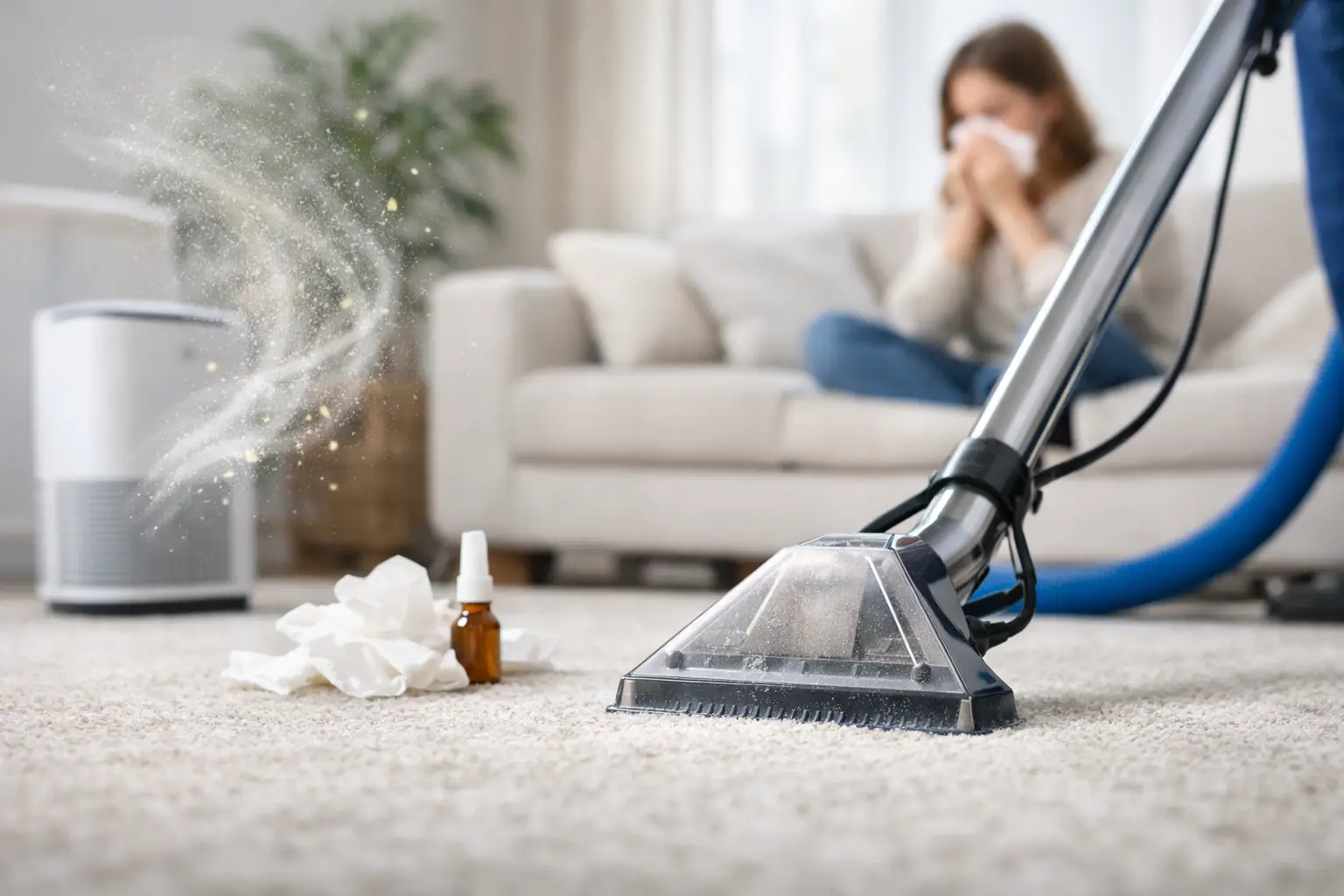
Carpet Cleaning for Allergy Relief That Works
When allergy symptoms seem worse at home, the carpet may be part of the problem. Carpet cleaning for allergy relief does not cure allergies, but it can reduce the dust, pet dander, pollen, and fine debris that settle deep within carpet fibers and get stirred back into the air with everyday foot traffic.
For homes, vacation rentals, offices, and hospitality spaces in West Hawaii, this matters year-round. Open windows, tropical humidity, outdoor footwear, pets, and frequent guests can bring more material indoors than many people realize. A carpet can still look acceptable on the surface while holding a surprising amount of buildup underneath.
Why Carpets Can Aggravate Allergy Symptoms
Carpet acts like a filter. Its fibers catch particles that would otherwise remain airborne, including dust mites and their waste, pet dander, pollen, soil, skin cells, and fine outdoor debris. That filtering effect can be useful at first, but only when the carpet is maintained. Once it becomes overloaded, walking, vacuuming, moving furniture, or children playing on the floor can release particles back into the room.
Allergy triggers are often too small to see. A room may look clean and still cause sneezing, congestion, itchy eyes, coughing, or a stuffy feeling after time indoors. This is especially common in bedrooms, living rooms, rental units with steady turnover, and high-traffic entry areas.
Humidity adds another consideration in Hawaii. Moisture does not automatically mean mold, but a damp carpet, slow drying, spills that were not fully extracted, or poor ventilation can create conditions that deserve prompt attention. Musty odors, recurring spots, or visible discoloration are reasons to have the carpet assessed rather than simply covered with fragrance.
What Professional Carpet Cleaning Removes
Routine vacuuming is essential, but even a good vacuum cannot remove everything embedded near the base of the carpet. Professional cleaning is designed to flush out accumulated soil and residues that ordinary maintenance leaves behind.
A thorough service can help remove fine dust, tracked-in soil, pet hair and dander, food particles, pollen, and residue from previous spills or cleaning products. The goal is not to make broad medical promises. The practical benefit is reducing the material in the carpet that can contribute to an uncomfortable indoor environment.
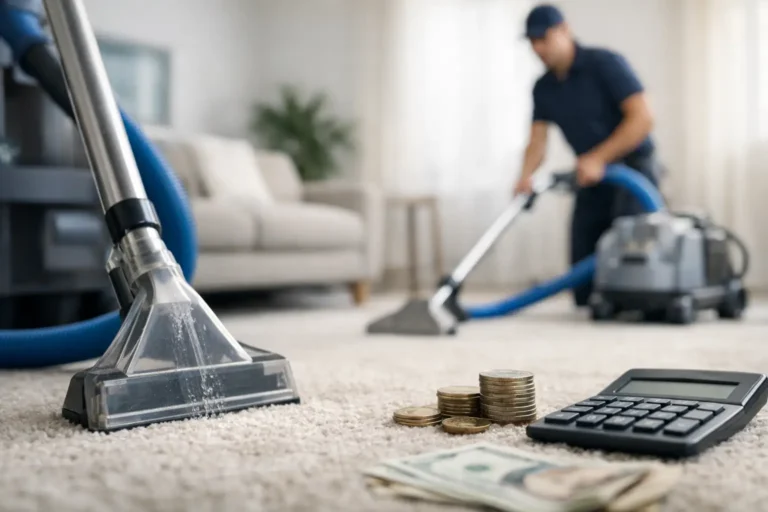
The cleaning method matters. Truck-mounted equipment provides strong extraction, helping lift suspended soil and remove moisture from the carpet after cleaning. Proper extraction is particularly valuable in humid conditions because leaving excess moisture behind can lead to longer dry times and unwanted odors. The right process also depends on the carpet fiber, its condition, the amount of traffic, and any stain or odor concerns.
A professional should inspect the carpet before starting, identify areas that need special treatment, and use products suited to the material. Cleaning too aggressively can damage delicate fibers or leave behind residue that attracts dirt faster. Cleaning too lightly may freshen the surface without addressing the buildup that matters most.
Carpet Cleaning for Allergy Relief Starts Between Appointments
Professional cleaning produces better results when it is paired with regular home or facility care. The simplest habit is frequent vacuuming with a well-maintained machine, especially in rooms where people sleep, relax, or spend long hours. Vacuum slowly enough to allow the machine to pick up embedded debris, and empty or replace filters as recommended by the manufacturer.
For households with pets, young children, or people who are sensitive to allergens, two or more vacuuming sessions per week in active areas may be worthwhile. Entryways and hallways often need more attention than low-use rooms because they collect what comes in from outside.
A few practical habits also make a difference:
- Use entry mats and encourage shoes off indoors when possible.
- Address spills quickly with blotting, not heavy scrubbing.
- Keep indoor humidity controlled and use ventilation after wet-weather days.
- Wash pet bedding regularly and groom pets outside when practical.
- Avoid overusing store-bought carpet products that can leave sticky residue behind.
These steps will not replace deep cleaning, but they reduce the amount of soil that reaches the carpet backing and padding.
How Often Should You Schedule Cleaning?
There is no single schedule that fits every property. A lightly used, pet-free guest room may need professional cleaning less often than a family room with a dog, children, and daily traffic. For many homes, professional carpet cleaning every 12 months is a sensible baseline. Homes with pets, allergy concerns, frequent visitors, or visible traffic lanes may benefit from service every 6 to 9 months.
Property managers and vacation rental owners should consider guest turnover, location, and the expectations of their visitors. A unit near the beach, an area with frequent open-window use, or a property hosting back-to-back guests may need more frequent attention. Clean carpets support presentation, help manage odors, and give incoming guests confidence that the space has been cared for.
Commercial spaces vary as well. An office with a small staff may follow an annual schedule, while a lobby, retail space, or hospitality setting can require more regular maintenance. Waiting until carpets look heavily soiled often means more difficult stain removal and faster wear in high-traffic areas.
Signs Your Carpet Needs More Than Vacuuming
Visible dirt is not the only signal. If allergy symptoms seem to increase indoors, if rooms have a stale or musty odor, or if carpet feels matted in walking paths, deeper cleaning may be appropriate. Other signs include darkened traffic lanes, recurring spots, pet-related odors, dust that returns quickly after cleaning, and carpet that no longer looks like its original color.
Be careful with recurring stains. They can wick up from lower layers after a spill, or they may be caused by residue that was left behind during a previous cleaning attempt. Adding more consumer spot cleaner is not always the answer. In some cases, it can make the area attract soil more quickly.
If there has been significant water intrusion, visible mold growth, or a strong ongoing mildew odor, the situation may require more than standard carpet cleaning. The carpet, padding, subfloor, and source of moisture should be evaluated. The right response depends on the extent of the water exposure and how quickly it was addressed.
Don’t Forget Rugs and Upholstery
Carpets are only one part of the indoor environment. Area rugs can collect the same dust, dander, pollen, and soil, particularly rugs near entrances or under dining tables. Upholstered furniture also holds particles in cushions, seams, and fabric fibers. If someone experiences symptoms while sitting on a favorite sofa or chair, upholstery cleaning may be just as relevant as carpet care.
Delicate rugs and upholstery need the right method. Natural fibers, specialty textiles, and older materials can react poorly to overly wet cleaning or harsh products. A careful inspection helps determine whether an item should be cleaned in place, treated with specialized products, or handled using a different process.
Choose Cleaning That Protects Your Investment
The lowest price is not always the best value if the service leaves residue, fails to extract deeply, or uses a one-method approach for every carpet. Ask what cleaning process will be used, whether the company is insured, how drying is handled, and what happens if a concern remains after the service. Clear answers are a good sign that the provider takes both your carpets and your indoor comfort seriously.
Jensen’s Cleaning uses professional equipment and a restoration-minded approach to help West Hawaii homeowners, property managers, and businesses care for the surfaces they already own. The focus is straightforward: remove embedded buildup safely, improve the look and feel of the carpet, and provide fair, dependable service.
A clean carpet should feel like part of a comfortable home or well-kept property, not another source of concern. If your rooms feel dusty, odors linger, or your carpets have not been professionally cleaned in some time, addressing them before the next busy season can make the space more pleasant for everyone who walks through the door.